If you have ever been woken up in the middle of the night by your dog making a sound that resembles a cross between a goose honk and a choking fit, you know exactly how terrifying it can be. As someone who has spent years living with and caring for various animals—from exotic birds to high-energy working dogs—I have seen my fair share of medical oddities. But few things trigger a panic response in a pet parent quite like the first time they witness an episode of reverse sneezing. You stand there, heart racing, wondering if your furry best friend is suffocating right in front of you. The good news? While it looks and sounds alarming, reverse sneezing is rarely a medical emergency. However, understanding what is happening beneath the surface is the key to staying calm and providing the right support for your pet.
What Exactly is Reverse Sneezing?
In the veterinary world, this phenomenon is officially known as inspiratory paroxysmal respiration. While that sounds like a mouthful, it describes exactly what is happening: a sudden (paroxysmal) episode of breathing in (inspiratory). Unlike a regular sneeze, where the body forcefully expels air through the nose to clear out an irritant, a reverse sneeze involves the dog rapidly and forcefully pulling air into their nose. This creates that signature snorting or honking sound that often leaves owners reaching for their vet’s emergency number.
The mechanics of this reflex are centered around the soft palate and the throat. When the tissues at the back of the mouth—where the nasal passage meets the throat—become irritated, they can undergo a series of muscle spasms. These spasms cause the airway to narrow slightly, making it more difficult for the dog to take in a full breath. To compensate, the dog stretches their neck out and begins those rapid, rhythmic inhalations. It is a natural reflex designed to move an irritant away from the sensitive lining of the nasopharynx.
Recognizing the Signs: What Does an Episode Look Like?
Identifying a reverse sneeze is relatively straightforward once you know what to look for. During an episode, which typically lasts anywhere from 30 seconds to two minutes, a dog will usually follow a specific physical pattern:
- The Stance: The dog will stand very still, often with their front legs planted firmly and their neck extended forward.
- The Sound: A loud, repetitive snorting or honking noise that sounds almost like the dog is trying to inhale their own nose.
- The Movement: You will notice the chest and abdomen moving rapidly in and out as the dog works to pull air through the narrowed passage.
- The Aftermath: Once the spasm stops, the dog almost immediately returns to normal, often looking at you as if nothing happened, while you are still clutching your chest in relief.
It is important to distinguish this from more serious conditions. For instance, if your dog is coughing or seems to be struggling for air constantly, you might be looking at something else. Understanding pneumonia in dogs is crucial if the breathing difficulty is accompanied by lethargy or a fever, as reverse sneezing does not cause these systemic symptoms.
Common Triggers: Why Is This Happening?
Just like humans react to dust or pollen, dogs have their own set of triggers that can set off a reverse sneezing fit. Because their noses are so much more sensitive than ours, even minor environmental changes can cause the soft palate to spasm. Common triggers include:
1. Environmental Irritants: Dust, strong perfumes, scented candles, or household cleaners are frequent culprits. If you have recently started using a new floor cleaner or sprayed a lot of room freshener, your dog’s nose might be paying the price.
2. Allergens: Pollen, mold, and smoke can irritate the nasal passages. Many dogs experience seasonal reverse sneezing just like humans experience hay fever.
3. Excitement and Exercise: Sometimes, the sheer joy of seeing you come home or a vigorous game of fetch can cause a dog to breathe rapidly, leading to a dry throat and a subsequent spasm.
4. Leash Pressure: If your dog is a “puller” on the leash, the constant pressure of a collar against their throat can irritate the trachea and soft palate. Switching to a harness can often eliminate episodes triggered by walks.
5. Eating or Drinking Too Fast: Inhaling food or water too quickly can cause particles to irritate the back of the throat, triggering the reflex. This is also a good time to check on your pet’s overall health; for example, curious owners often ask why is my dog’s nose wet, which is usually a sign of health, but chronic nasal discharge accompanying a reverse sneeze could indicate an infection.
Brachycephalic Breeds and Genetic Predisposition
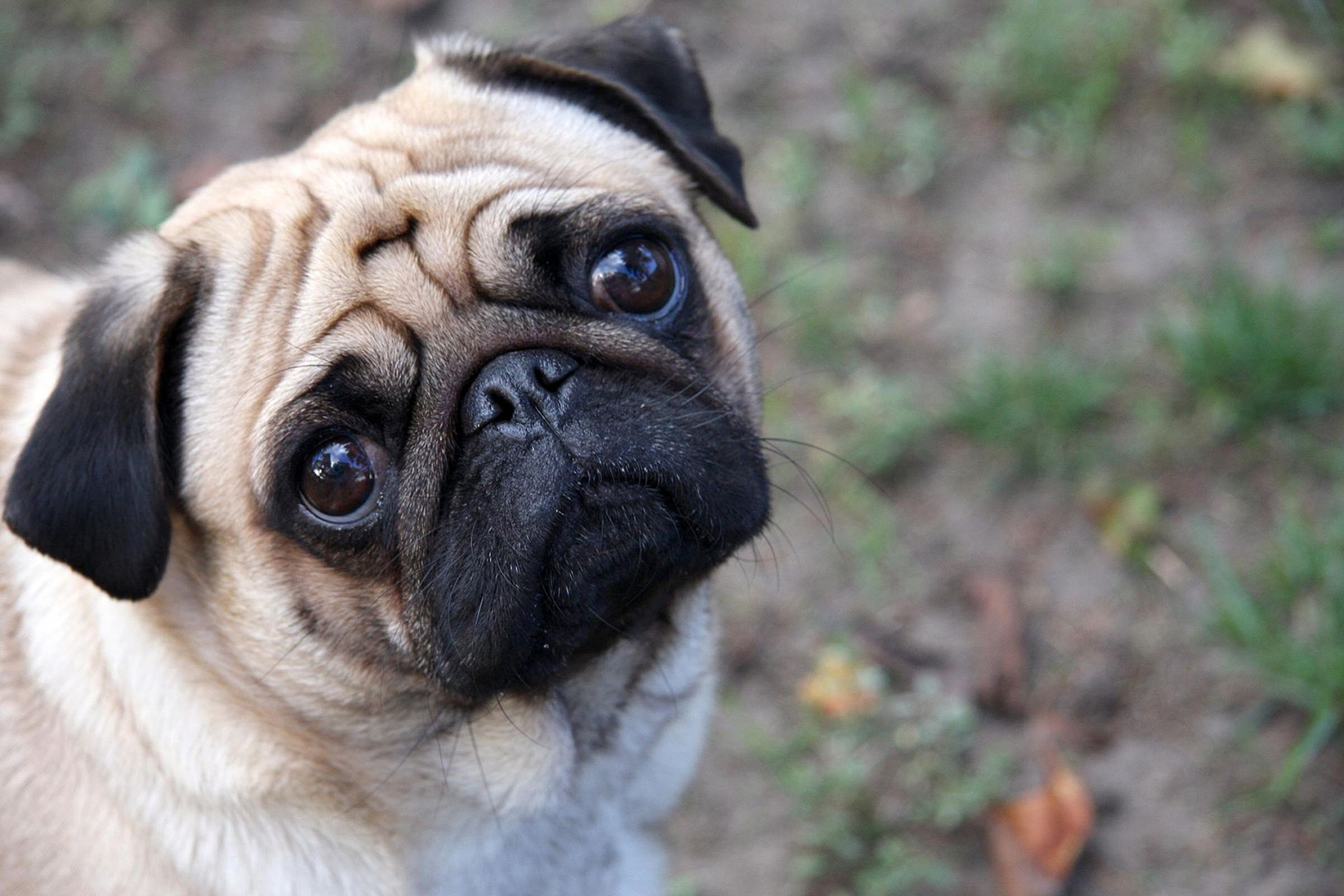
While any dog, regardless of breed, can experience reverse sneezing, it is significantly more common in brachycephalic breeds—the ones with the adorable, “smushed” faces. Breeds like Pugs, Boxers, Shih Tzus, and French Bulldogs have elongated soft palates. Because their facial structure is compressed, the soft palate can more easily interfere with the airway, making them much more prone to irritation and spasms.
Small and toy breeds are also frequently affected, likely because they have smaller throats and airways where even a tiny bit of inflammation or a single dust mote can cause a noticeable obstruction. If you own one of these breeds, reverse sneezing might just be a regular part of your life together, though it still warrants a watchful eye.
How to Calm Your Dog During an Episode
Even though reverse sneezing isn’t harmful, it can be stressful for both the dog and the owner. If you want to help your pup through an episode, there are several gentle techniques you can use:
The Throat Massage
Gently stroking your dog’s throat in a downward motion can help soothe the irritation and encourage the muscles to relax. Use a soft, calm voice while doing this to keep the dog from becoming more anxious, as stress can sometimes prolong the episode.
The Swallow Trick
The goal is to get your dog to swallow, which often resets the soft palate and stops the spasm. You can do this by briefly covering their nostrils with your fingers for a second or two. This forces them to open their mouth and swallow. Alternatively, blowing gently into their face can have the same effect, causing a reflexive swallow.
The Tongue Press
If you are comfortable doing so, you can gently open the dog’s mouth and press down on the middle of their tongue. This helps open the airway further and can break the cycle of the spasm. However, only do this if your dog is calm and unlikely to accidentally nip you during the confusion.
When Should You See a Veterinarian?
In most cases, an occasional reverse sneeze is nothing more than a minor quirk. However, as a responsible pet owner, you need to know when the situation has shifted from “normal” to “concerning.” You should schedule a veterinary visit if you notice any of the following:
- Increased Frequency: If your dog goes from having one episode a month to several episodes a day, there may be an underlying issue like a nasal mite infestation, a foreign body (like a blade of grass) stuck in the nasal passage, or a polyp.
- Nasal Discharge: Bloody or thick yellow/green discharge from the nose is never normal and suggests an infection or something more serious.
- Exercise Intolerance: If your dog seems to struggle to breathe or starts reverse sneezing every time they move, it could be a sign of a heart disease in dogs or a collapsing trachea.
- Change in Sound: If the honk turns into a wet cough or if the dog sounds like they are struggling to get air between episodes, professional intervention is necessary.
People Also Ask (PAA)
Can a dog die from reverse sneezing?
No. While it looks like the dog is suffocating, they are still getting air. It is a temporary spasm, not a complete blockage of the airway.
Is reverse sneezing painful?
It is generally considered uncomfortable or startling, but not painful. Most dogs are perfectly fine the moment the episode ends.
Is there a cure for reverse sneezing?
There isn’t a “cure” because it’s a reflex rather than a disease. However, managing triggers (like using a harness instead of a collar) can greatly reduce the frequency.
Are cats able to reverse sneeze?
Yes, although it is much less common in cats than in dogs. In cats, it is often more closely linked to asthma or upper respiratory infections.
Expert Verdict and Final Thoughts
After years of working with various animals, my expert verdict is this: don’t panic, but do observe. Reverse sneezing is one of those peculiar aspects of canine ownership that tests our nerves. It’s a physical manifestation of their sensitive respiratory systems, especially in our flat-faced friends. The best thing you can do is document the episodes. If they happen frequently, grab your phone and record a video. Showing a video to your veterinarian is worth a thousand words of description and can help them quickly rule out more serious respiratory conditions.
Summary and Actionable Takeaways
To keep your dog happy and their airways clear, keep these key points in mind:
- Stay Calm: Your dog feeds off your energy. If you panic, they will panic, which can make the breathing episode worse.
- Identify Triggers: Watch for patterns. Does it happen after you use a certain perfume? After a walk on a collar? Adjusting the environment is the best prevention.
- Use Soothing Techniques: Throat massages and the “swallow trick” are your best tools for ending an episode quickly.
- Know the Difference: Learn to distinguish the honk of a reverse sneeze from the “seal bark” of kennel cough or the labored breathing of a heart condition.
- Consult the Pros: Never hesitate to visit the vet if your gut tells you something is wrong or if the episodes become chronic.
By understanding the “why” behind the honk, you can transform a scary moment into a bonding opportunity, providing your pet with the comfort they need to breathe easy again.


