We have all been there: that moment of pure joy when you walk into a pet store and see a vibrant, squeaky, or fuzzy toy that you just know your companion will adore. As a longtime pet enthusiast and blogger, I’ve spent countless hours researching and testing the best ways to keep our furry, feathered, and scaled friends happy. There is something deeply rewarding about watching a dog chase a ball or a cat pounce on a feathered wand. However, through my years in the exotic pet world and domestic pet care, I have also learned a sobering truth: not all toys are created equal. In fact, some of the most popular items on the shelves can pose significant risks to our pets’ health if we aren’t careful. Choosing the right toy isn’t just about fun; it is a critical part of being a responsible pet parent.
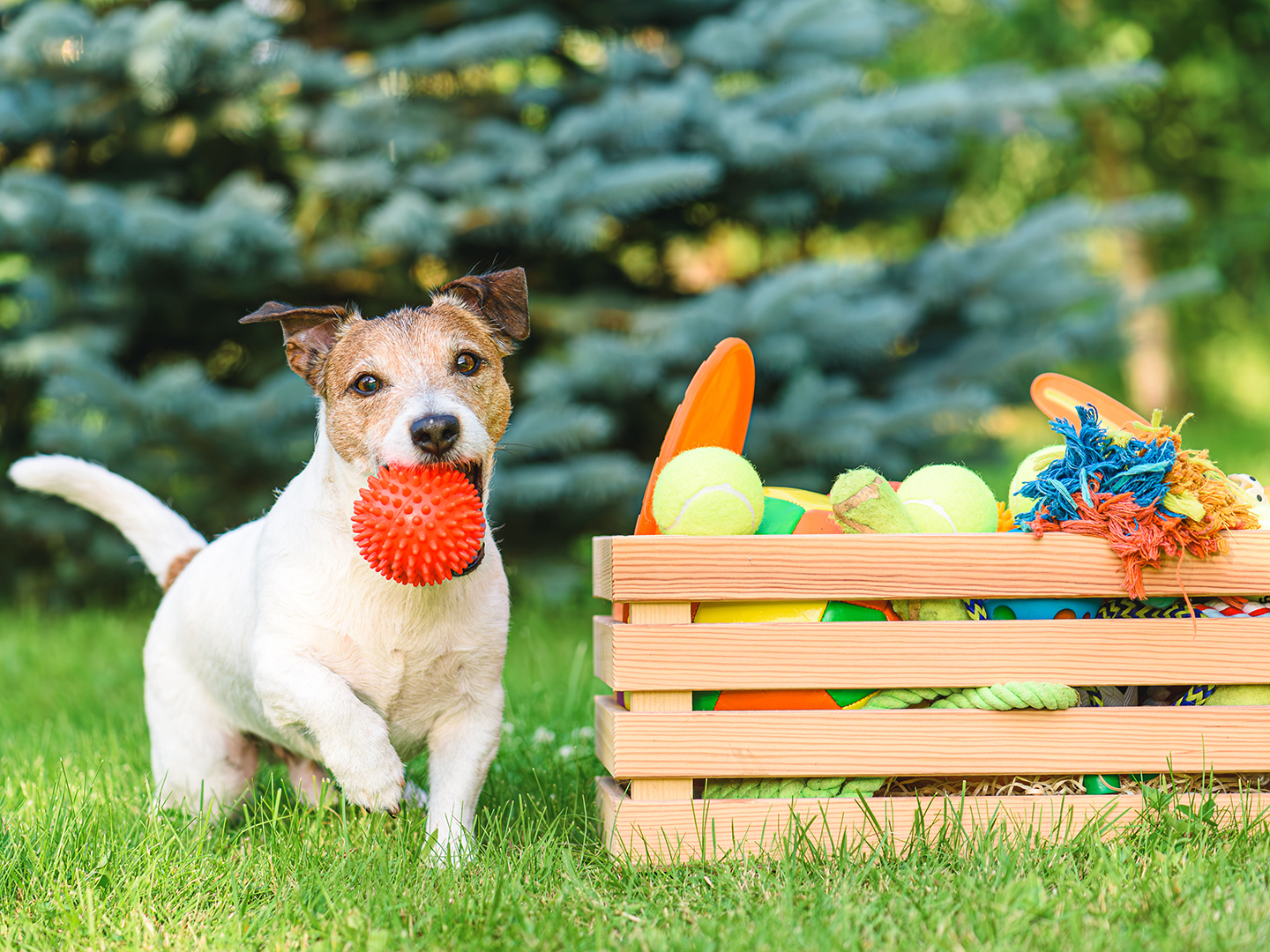
According to Dr. Erin Ray, a clinical assistant professor at the Texas A&M College of Veterinary Medicine & Biomedical Sciences, the endless options available to us can be overwhelming. Many of us choose toys based on color, texture, or how cute they look on the shelf, but we often overlook the mechanical and biological compatibility of that toy with our specific pet. Whether you are caring for a high-energy Australian Shepherd or a delicate senior feline, understanding the potential hazards hidden in playtime is essential for creating a pet-friendly home where safety is the priority. In this guide, we will dive deep into the science of toy safety, the dangers of specific materials, and how to tailor your choices to your pet’s unique personality.
The Goldilocks Principle: Finding the Perfect Size
One of the most fundamental aspects of toy safety is size. It sounds simple, but it is one of the leading causes of emergency veterinary visits. Dr. Ray emphasizes that a good fit is a toy that is neither small enough to be swallowed nor so large that it causes physical strain. For large breeds, a small ball can easily become lodged in the throat during a vigorous game of fetch, leading to immediate asphyxiation. Conversely, for a tiny toy breed or a kitten, a toy that is too large can cause jaw fatigue or even dental fractures if they try too hard to grip it.
When assessing size, consider your pet’s maximum gape. If they can fit the entire object behind their molars, it is too small. In multi-pet households, this becomes even more complex. If you have a Great Dane and a Chihuahua living together, the Chihuahua’s toys are potential death traps for the Great Dane. I always recommend toy organization and storage solutions to keep specific toys accessible only during supervised play or in separated areas. Preventing a larger dog from swallowing a cat toy or a small dog’s ball is a daily management task that requires vigilance.
The Danger of Materials: From Plush to Rubber
The material of a toy determines its durability and its potential for toxicity. Many owners don’t realize that the “stuffing” inside plush toys is often made of synthetic fibers that cannot be digested. If a pet shreds a toy and swallows the fluff, it can form a mass in the stomach or intestines, known as a foreign body obstruction. This often requires expensive and invasive surgery to correct. Dr. Ray notes that if your pet “lives to destroy,” you should avoid soft, plush, or squeaker toys entirely.
The Hidden Risks of Squeakers and Small Parts
The squeaker is often the “heart” of the toy for a dog, but once the fabric is breached, that small plastic device becomes a primary choking hazard. Similarly, toys with plastic eyes, ribbons, or bells are high-risk. For cats, string toys and wands are particularly dangerous. If swallowed, a string can become a linear foreign body. This is a nightmare scenario where the string bunches up the intestines like a drawstring on a pair of pants, potentially leading to intestinal perforations and life-threatening infections.
Toxic Coatings and Additives
In the world of manufacturing, not all pet toys are held to the same safety standards as children’s toys. Some cheaper imports may contain lead, phthalates, or BPA. Dr. Ray advises pet owners to avoid any products with questionable coatings or additives, as these can leach toxins into the pet’s bloodstream through their saliva. Look for toys labeled as “non-toxic” and try to stick to reputable brands that prioritize animal welfare over profit margins.
Behavioral Archetypes: Know Your Pet’s Play Style
To choose the safest toy, you must first understand how your pet interacts with objects. I generally categorize pets into three play styles:
- The Destroyer: This pet wants to take things apart. They use their premolars to shred and their incisors to strip. For these pets, only the most durable, hard rubber toys should be used.
- The Nuzzler: This pet carries toys around like babies. Plush toys are generally safe for them, provided the seams are reinforced.
- The Thinker: This pet prefers problem-solving. They thrive on the benefits of interactive dog toys, such as puzzles and treat dispensers.
For “Destroyers,” even hard toys can be problematic. If a toy is too hard—like a sterilized bone or a heavy nylon chew—it can actually cause tooth fractures. A good rule of thumb is the “thumbnail test”: if you can’t indent the toy slightly with your thumbnail, it might be too hard for your pet’s teeth, especially for puppies and seniors.
The Mental Health Component: Enrichment Without Risk
Toys are not just for physical exercise; they are vital for mental health. Boredom in pets leads to destructive behaviors, anxiety, and depression. Motion-activated toys and puzzle feeders are excellent for keeping the mind sharp. However, as Dr. Ray points out, it is vital to ensure that these puzzles don’t have small pieces that can be broken off during a moment of frustration. When introducing a new interactive toy, always supervise the first few sessions to see how your pet handles the challenge.
For those living in smaller spaces, enrichment is even more important. You can find many ways of creating a pet-friendly home that incorporates vertical space and safe play zones. For cats, this might mean a safe climbing tree with integrated (and securely attached) toys. For dogs, it could mean a dedicated “toy box” that you rotate weekly to keep their interest high without cluttering the floor with hazards.
Maintenance and the “Retirement” of Toys
A toy that was safe yesterday might be a hazard today. Regular inspections are mandatory. I recommend doing a “toy sweep” at least once a week. Look for:
- Frayed edges or loose threads.
- Cracks in hard rubber or plastic.
- Missing pieces (if a piece is missing, assume your pet swallowed it and watch for symptoms).
- Heavy soiling (bacteria can grow on saliva-soaked plush).
Proper cleaning is also part of maintenance. Many plush toys can be laundered in a mesh bag, while rubber toys can be cleaned with mild soap and water. During your cleaning routine, you might also consider spring cleaning for cat owners, which includes sanitizing toy bins and checking for hidden bits of string or plastic that may have migrated under the furniture.
People Also Ask: Common Toy Safety Questions
Are tennis balls safe for dogs?
While iconic, tennis balls are actually quite abrasive. The felt can act like sandpaper, wearing down a dog’s tooth enamel over time (a condition called “blunting”). Additionally, the glue and materials aren’t always non-toxic. If your dog loves tennis balls, look for “pet-safe” versions without the abrasive felt.
Can I give my cat a laser pointer?
Laser pointers are great for exercise, but they can cause psychological frustration because the cat can never “catch” the prey. Always end a laser session by pointing the light at a physical toy or a treat so the cat feels a sense of completion and success.
What should I do if my pet swallows a toy?
If you suspect ingestion, contact your vet immediately. Symptoms like vomiting, lethargy, or a lack of appetite are red flags. Small amounts of stuffing might pass in a large dog, but in a small breed or a cat, even a tiny amount can cause a total blockage.
The Expert Verdict: A Balanced Approach to Play
In my experience, the “perfectly safe” toy doesn’t exist; safety is a result of the interaction between the toy and the specific animal. Dr. Ray’s advice to limit the number of toys accessible at once is brilliant. By only giving your pet one or two toys at a time, you can easily notice if something is missing or breaking. This level of attentiveness is what separates a cautious pet owner from one who ends up in the emergency room.
The goal of playtime is to strengthen the bond between you and your pet while providing necessary stimulation. By choosing durable materials, ensuring proper sizing, and maintaining a strict schedule of toy inspections, you can provide a fun environment that respects the biological needs of your animal. Remember, when in doubt, consult your veterinarian. They see the results of toy accidents every day and can provide personalized recommendations based on your pet’s dental health and chewing strength.
Actionable Summary for Pet Owners
- Size Check: Ensure toys cannot be swallowed whole or cause jaw strain.
- Material Audit: Choose non-toxic, durable materials like natural rubber for heavy chewers.
- Supervised Play: Always monitor your pet with a new toy for at least the first 20 minutes.
- Rotation: Keep only a few toys out at a time to monitor wear and tear effectively.
- Regular Disposal: If it’s ripped, cracked, or missing pieces, throw it away immediately.
Playtime should be the best part of your pet’s day. By staying informed and alert, you can ensure it stays that way, keeping the “hidden hazards” at bay and your furry friends safe and sound.
