As a lifelong pet enthusiast who has shared my home with everything from vocal African Grey parrots to sensitive senior dogs, I have learned that one of the most distressing things for any pet parent is seeing their companion in pain. Among the most common yet frequently misunderstood ailments is the canine ear infection. If you have ever watched your dog frantically shake their head or paw at their ears until they are red and raw, you know exactly how heartbreaking it can be. Unlike us, dogs cannot simply tell us they have a dull ache or a sharp itch; instead, they rely on us to notice the subtle behavioral shifts and physical cues that signal something is wrong. Ear infections, or otitis externa, are not just a nuisance; they are a complex medical issue deeply tied to a dog’s unique anatomy and lifestyle. Understanding the ‘why’ and the ‘how’ of these infections is the first step in ensuring your furry friend lives a comfortable, itch-free life.
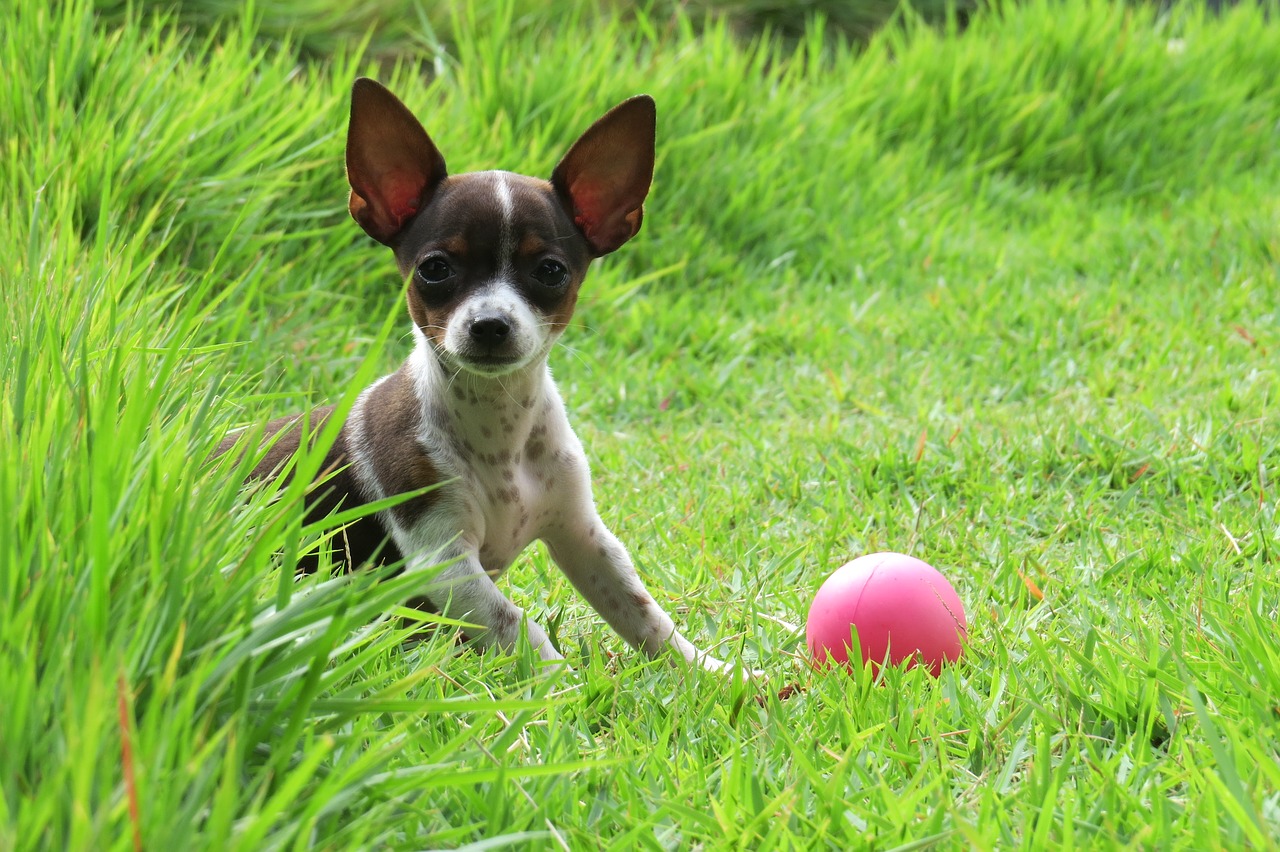
The fundamental reason dogs are so prone to ear issues lies in the sheer physics of their ear canal. While a human ear canal is relatively straight, a dog’s ear canal is shaped like an ‘L’. This vertical-to-horizontal bend is a design that, unfortunately, makes it incredibly easy for moisture, debris, and wax to enter but very difficult for them to leave. This ‘trap-like’ structure creates a warm, dark, and humid environment—the absolute perfect petri dish for bacteria and yeast to flourish. Whether you are caring for a floppy-eared Bassett Hound or a sharp-eared Mini Dachshund, understanding this anatomical vulnerability is crucial for every pet owner.
The Core Causes of Ear Infections in Dogs
It is a common misconception that ear infections just ‘happen’ because of dirt. In reality, Dr. Lori Teller from the Texas A&M College of Veterinary Medicine & Biomedical Sciences points out that infections are often secondary symptoms of an underlying problem. The most frequent culprit is allergies. Whether it is an environmental trigger like pollen or a sensitivity to a specific protein in their bowl, allergies cause inflammation. This inflammation breaks down the skin’s natural barriers, allowing opportunistic yeast and bacteria to take over. If your dog is struggling with chronic issues, you might need to reconsider what kind of food you should feed your dog, as a hypoallergenic or limited-ingredient diet can often be the ‘magic bullet’ for recurring ear problems.
Beyond allergies, there are several other triggers to watch out for. Moisture is a massive factor, especially for dogs that love to swim or those living in high-humidity climates. If water gets trapped in that ‘L’ shaped canal, it becomes a breeding ground for microbes. Foreign bodies—such as grass seeds or ‘foxtails’—can also lodge themselves deep in the ear, causing sudden, intense pain and infection. Furthermore, some dogs have excessive hair growing inside the canal, which can trap wax and debris. Even endocrine diseases like hypothyroidism or autoimmune disorders can manifest as persistent ear infections, making it vital to look at the ‘whole dog’ rather than just the ear itself.
Recognizing the Warning Signs
Early detection is the key to preventing a minor irritation from turning into a deep-seated infection that could potentially damage your dog’s hearing. You should be on the lookout for more than just the classic head shake. Common symptoms include a distinct, often yeasty or ‘trash-like’ odor emanating from the ears. You might notice a discharge that looks like dark coffee grounds (often a sign of mites) or yellow/bloody fluid. The ear flap itself might look thickened, red, or feel hot to the touch. In severe cases, a dog might lose their balance or tilt their head to one side constantly, which suggests the infection has moved from the outer ear (otitis externa) to the middle or inner ear. If you see your dog crying out when touched near the head, it is time to seek professional help immediately.
The Importance of Professional Veterinary Diagnosis
I cannot stress this enough: do not attempt to ‘home-treat’ a suspected ear infection with over-the-counter human drops or vinegar rinses before seeing a vet. Using the wrong solution can actually cause permanent deafness if the eardrum (tympanic membrane) is ruptured. A veterinarian will use an otoscope to look deep into the canal to ensure the eardrum is intact and to check for polyps or foreign objects. They will also likely perform a ‘cytology’—taking a swab of the debris to look at it under a microscope. This tells them exactly what they are fighting: is it Malassezia (yeast), or is it a bacterial strain like Staphylococcus? Knowing the enemy allows for targeted treatment. When choosing a clinic, it is helpful to weigh things to consider before choosing a veterinarian to ensure they have the diagnostic tools necessary for thorough ear exams.
Treatment Protocols and Home Care
Once a diagnosis is made, treatment usually involves a three-pronged approach. First, the veterinarian will professionally clean the ear to remove the ‘biofilm’ that protects bacteria. Second, they will prescribe topical medications—often a combination of an antifungal, an antibiotic, and a steroid to reduce swelling. For severe or deep infections, oral antibiotics or anti-inflammatory drugs may be necessary. As an owner, your job is to follow the medication schedule to the letter. Stopping treatment early because the ear ‘looks better’ is a recipe for creating antibiotic-resistant bacteria, which are a nightmare to treat later on.
People Also Ask: Common Questions About Dog Ear Infections
Can I use a Q-tip to clean my dog’s ears?
Absolutely not. You should never insert a cotton-tipped swab into the inner canal of a dog’s ear. Because of the ‘L’ shape, a Q-tip acts like a ramrod, pushing debris and wax further down against the eardrum. This can cause the eardrum to rupture or create a hard ‘plug’ of wax that is nearly impossible to remove without sedation. Instead, use a veterinarian-approved liquid cleanser, fill the canal, massage the base of the ear to break up debris, and then use a soft cotton ball to wipe only what comes to the surface.
Why does my dog keep getting ear infections?
Recurrence is usually a sign that the root cause hasn’t been addressed. If the infections happen every spring, it is likely environmental allergies. If they happen year-round regardless of the weather, a food allergy is a prime suspect. Dogs with ‘pendulous’ (floppy) ears like Cocker Spaniels or Beagles are also at higher risk because the ear flap blocks airflow, keeping the canal moist. Addressing the underlying trigger is the only way to stop the cycle.
Are ear infections contagious between dogs?
Generally, yeast and bacterial ear infections are not contagious. However, if the cause of the infection is ear mites (Otodectes cynotis), these are highly contagious and can spread quickly between dogs and cats in the same household. It is also wise to follow Dr. Teller’s advice and discourage other dogs from licking your pet’s ears, as the saliva adds moisture and bacteria to the environment.
Prevention: The Best Medicine
Preventing ear infections is largely about management. If your dog is a swimmer, always dry their ears thoroughly with a soft cloth after they leave the water. You can even ask your vet for a drying agent to use after baths. Regular, gentle cleaning (about once every week or two, depending on the dog) can help maintain a healthy balance, but be careful not to over-clean. Over-cleaning can irritate the delicate skin and actually trigger an inflammatory response. Think of it as a ‘Goldilocks’ situation—you want the ears to be just right, not too dirty and not over-scrubbed.
Expert Verdict
In my experience, the most successful way to handle ear health is through a partnership with your veterinarian and a keen eye for detail. Ear infections are more than just a ‘pesky’ problem; they are a significant quality-of-life issue. By maintaining a clean environment, managing allergies through diet and lifestyle, and reacting quickly to the first sign of a head shake, you can save your dog from immense discomfort and protect their incredible sense of hearing for years to come. Remember, a healthy dog is a happy dog, and that starts with the basics of good hygiene and proactive care. If you suspect an infection, don’t wait—get those ears checked today!


