As a seasoned pet enthusiast who has navigated cross-country moves and weekend getaways with everything from spirited Golden Retrievers to sensitive exotic rescues, I know that the thrill of a vacation is often tempered by the anxiety of bringing our non-human family members along. We want them to share in our adventures, but the logistics of modern travel can be daunting for even the most laid-back pet. Whether you are planning a scenic road trip through the national parks or a high-altitude flight across the coast, ensuring the safety and comfort of your companion is a responsibility that requires meticulous planning and a deep understanding of animal behavior. There is a specific kind of joy in seeing your pet experience a new environment, but getting there safely is the most critical part of the journey. In this comprehensive guide, we will dive deep into the expert-backed strategies for traveling with pets, drawing on the wisdom of veterinary professionals and real-world experience to make your next trip a seamless success.
Before you even think about loading the car or booking a flight, the very first step in any travel plan must be a thorough consultation with your veterinarian. This is not just a formality; it is a vital health check to ensure your pet is physically capable of handling the stress of travel. During this visit, you should discuss any existing health conditions, update all necessary vaccinations, and obtain a health certificate if required by your airline or destination. For those traveling with Emotional Support Animals, understanding the current legal landscape and ESA travel certification requirements is also essential, as regulations have shifted significantly in recent years. This pre-trip check-up is the foundation upon which all other safety measures are built.
Mastering the Road: Car Safety and Comfort
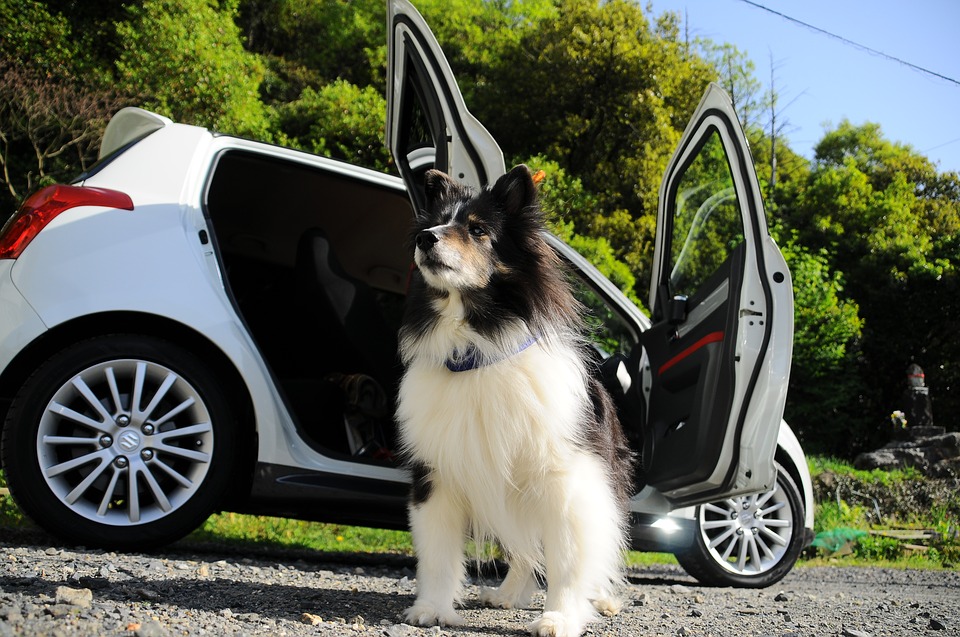
For many of us, the great American road trip is the preferred method of travel with pets. However, a car ride is more than just rolling down the windows and letting the wind whip through their fur. In fact, experts like Kit Darling from the Texas A&M College of Veterinary Medicine & Biomedical Sciences emphasize that allowing a pet to ride with their head out of the window is a recipe for disaster. Debris, dust, and insects can strike at high speeds, causing severe eye injuries or infections. Safety must always come first. Just as humans utilize seat belts, pets require their own version of a restraint system. This typically means a high-quality travel harness that clips into the seat belt buckle or, even better, a well-ventilated, crash-tested crate that is secured in the vehicle.
The Importance of Acclimation
You cannot expect a pet who has only ever gone to the vet in a car to suddenly enjoy an eight-hour drive. Acclimation is a gradual process. Start by letting your pet sit in the parked car with their harness or crate, offering high-value treats to create a positive association. Once they are comfortable, progress to short five-minute drives around the block, slowly increasing the duration over several weeks. This desensitization helps prevent motion sickness and reduces the signs of anxiety that many animals exhibit when faced with the vibration and noise of a moving vehicle. Remember to take frequent breaks—every two to three hours is the gold standard. These stops allow your pet to stretch their legs, hydrate, and relieve themselves, keeping their stress levels manageable.
The Dangers of Parked Vehicles and Truck Beds
It cannot be stated strongly enough: never leave a pet alone in a parked car, regardless of the season. In the summer, temperatures inside a vehicle can skyrocket to lethal levels in minutes, even with the windows cracked. Similarly, allowing a pet to ride unrestricted in the bed of a truck is incredibly dangerous. A sudden swerve or stop can eject the animal, and the exposure to the elements and road debris is a constant threat. Your pet belongs inside the cabin, secured and protected from the environment.
Taking to the Skies: Navigating Air Travel
Air travel presents a unique set of challenges. Most airlines allow small dogs and cats to travel in the cabin if their carrier fits under the seat in front of you. However, for larger animals, the cargo bay is often the only option. This is a source of stress for many pet owners, but with proper preparation, it can be handled safely. Always contact your airline directly months in advance. Many carriers have strict restrictions based on the breed (especially brachycephalic or “flat-faced” breeds like Pugs or Persians), the age of the animal, and the current weather temperatures at your departure and arrival points.
When flying, your pet will spend a significant amount of time in their crate. This crate must be airline-approved, which means it must have a solid, leak-proof floor, adequate ventilation on all sides, and enough room for the pet to stand up, turn around, and lie down comfortably. Labeling the crate with your contact information and a photo of the pet is a crucial backup measure. Most airlines also mandate a health certificate issued by a vet within 10 days of the flight, so timing your veterinary visit is key.
The Ultimate Pet Travel Packing List
Preparation isn’t just about the vehicle; it’s about the supplies. You should pack for your pet with the same care you pack for yourself. This includes a dedicated travel bag containing:
- A minimum of three days’ extra food and bottled water to avoid digestive upset from local water sources.
- Collapsible bowls for easy feeding on the go.
- A full supply of any medications, along with a copy of the prescriptions.
- A physical copy of the rabies vaccination certificate and medical records.
- A familiar blanket or a t-shirt you have worn; the scent of home acts as a powerful natural sedative.
- A basic pet first-aid kit containing gauze, antiseptic wipes, and tweezers.
Arriving and Thriving: Managing Your Destination
Once you reach your destination, the work isn’t over. Whether you are staying with family or at a hotel, you are an ambassador for pet owners everywhere. Always confirm ahead of time that pets are actually welcome, and be prepared to follow simple tips for a safe vacation like keeping your pet leashed in public areas and cleaning up after them immediately. If you must leave your pet alone in a hotel room, keep them in their crate to prevent damage to the room or escape if housekeeping enters. Placing a “Do Not Disturb” sign on the door and leaving your phone number with the front desk provides an extra layer of security.
Identifying Your Pet
New environments can be overwhelming, and a spooked pet may attempt to bolt. Ensure your pet is microchipped and that the contact information in the registry is current. Additionally, they should wear a collar with a sturdy ID tag that includes your cell phone number. For exotic pets like guinea pigs or rabbits, specialized travel cages and consistent temperature monitoring are essential, as these smaller animals are even more susceptible to the stresses of environmental changes.
People Also Ask: Common Pet Travel Questions
Can I sedate my pet for travel?
While it may be tempting to use sedatives for a nervous pet, many veterinarians advise against it, especially for air travel. Sedatives can interfere with an animal’s ability to regulate their body temperature and maintain balance. Always discuss pharmaceutical options with your vet first; they may recommend pheromone sprays or milder calming supplements instead.
How long can a dog stay in a car while driving?
Ideally, you should stop every 2 to 3 hours. Just like humans, dogs can suffer from stiff joints and restlessness. These breaks are essential for hydration and mental stimulation, which helps them settle back down for the next leg of the journey.
What is a health certificate for pets?
A Certificate of Veterinary Inspection (CVI) is a document signed by a licensed, USDA-accredited veterinarian stating that your pet is healthy to travel and free of communicable diseases. It is usually required for interstate and international travel, as well as by most airlines.
Expert Verdict and Final Thoughts
Traveling with a pet is a deeply rewarding experience that strengthens the bond between human and animal. However, it is not a “spontaneous” endeavor. It requires a blend of safety equipment, behavioral conditioning, and logistical planning. By prioritizing your pet’s physical safety—through harnesses, crates, and climate control—and their emotional well-being—through acclimation and familiar scents—you turn a potentially stressful event into a joyous adventure. The key takeaway is consistency: keep their diet the same, keep their routine as similar as possible, and never compromise on the safety protocols recommended by experts. With the right preparation, the world is yours to explore together. Safe travels!


