For many, pets are no longer just animals kept in the home; they are integral family members, often referred to as ‘fur babies’ in a world that increasingly recognizes the depth of the human-animal bond. Whether you are a first-time puppy parent, a seasoned cat caretaker, or a dedicated guardian of birds, rabbits, or reptiles, one fundamental truth remains: navigating the complexities of modern pet ownership is significantly easier and more rewarding when you are part of a like-minded community. While the internet is flooded with generic advice, finding a reliable, supportive network of fellow pet lovers adds a layer of depth, reassurance, and genuine human connection to the journey of raising happy, healthy animals. In an era where pet care standards are higher than ever, these communities have evolved from simple forums into essential lifelines for the modern guardian.
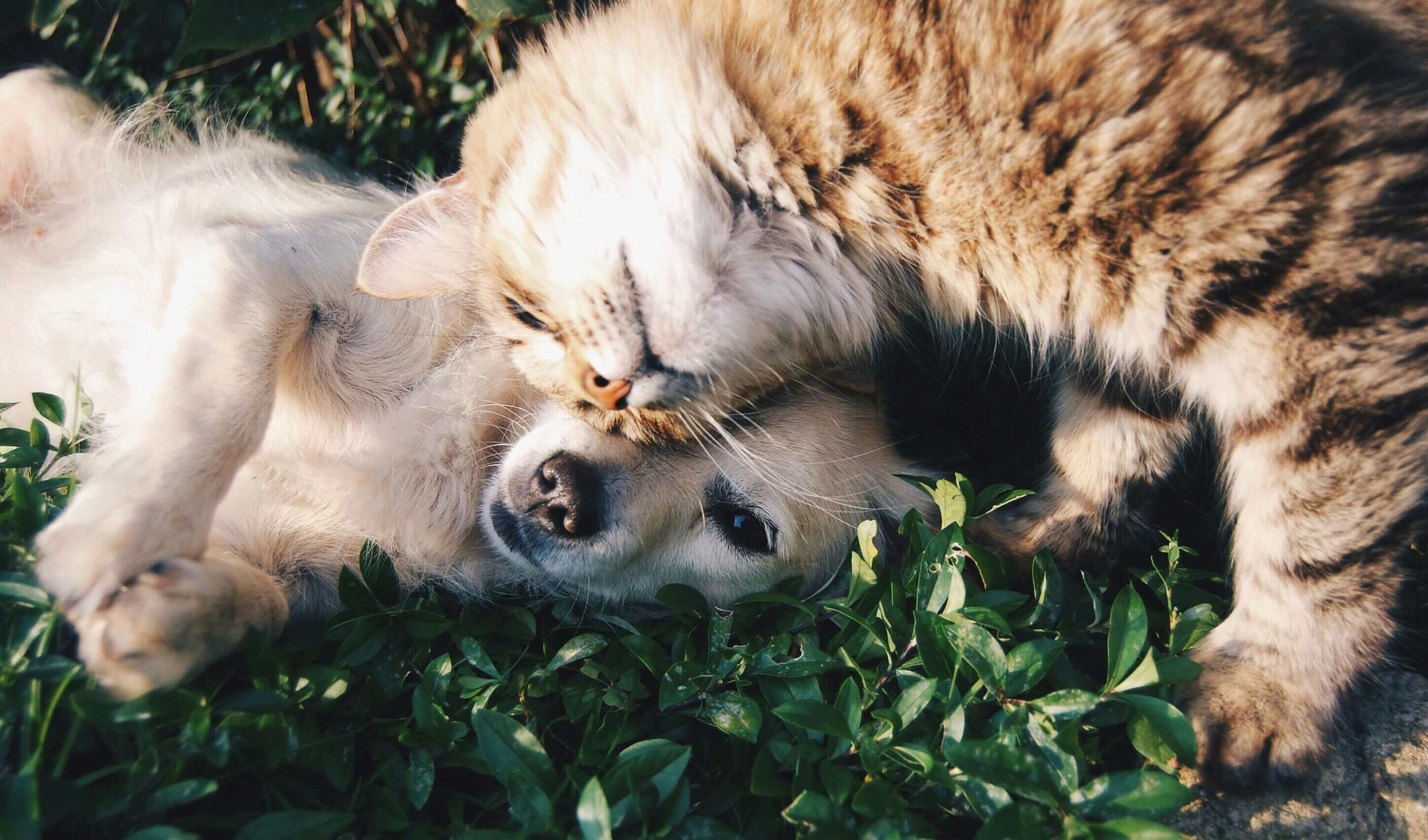
The Evolution of Pet Ownership and the Need for Connection
According to the American Pet Products Association (APPA) 2023-2024 National Pet Owners Survey, approximately 66% of U.S. households own a pet. This surge in ownership has been accompanied by a shift toward ‘pet humanization,’ where owners seek the absolute best in nutrition, healthcare, and social opportunities for their animals. However, this increased dedication often brings more stress and questions. Pet communities, whether they meet in local parks or via digital platforms, serve as vital hubs where animal lovers can exchange ideas, share resources, celebrate milestones, and offer support during the inevitable challenges of pet life.
1. Crowdsourced Wisdom and Real-Time Problem Solving
Owning a pet comes with a relentless stream of daily questions. Should you switch to a grain-free diet? How do you manage separation anxiety in a post-pandemic world? What is the most effective way to introduce a new kitten to a resident dog? While your veterinarian should always be the primary resource for medical concerns, they aren’t always available at 10:00 PM when your dog starts eating grass or your cat won’t stop scratching the new sofa. This is where the ‘hive mind’ of a pet community becomes invaluable.
Being part of a dedicated network allows you to ask questions in real time and receive feedback from people who have literally walked in your shoes. This crowdsourced wisdom often includes practical ‘hacks,’ brand recommendations, or simply the reassurance that what you’re experiencing is normal. In 2024, as specialized breeds and exotic pets become more popular, niche communities provide specific expertise that general search engines often miss.
2. Authentic Recommendations in an Era of Overconsumption
The global pet market is projected to reach over $150 billion by the end of 2024. With thousands of brands vying for your attention, it is increasingly difficult to distinguish between high-quality products and clever marketing. Peer-to-peer recommendations are now the gold standard for savvy pet parents. Rather than relying on paid advertisements, community members share honest, unfiltered reviews of everything from durable chew toys to the best GPS trackers for cats.
Many owners are now turning to specialized platforms like the FurLyfe dog community to find vetted suggestions. These networks prioritize transparency, often highlighting small, sustainable businesses or niche health solutions that haven’t hit the mainstream yet. Case studies within these groups often reveal that a recommendation from a trusted community member saved an owner hundreds of dollars in trial-and-error purchases.
3. The Social Fabric: Combatting Loneliness Through Pets
A 2023 study by the Human Animal Bond Research Institute (HABRI) found that 80% of pet owners say their pet makes them feel less lonely. However, the owners themselves often need human interaction too. Joining a pet community provides an instant conversation starter and a shared set of values that can lead to deep, lasting friendships. This is particularly important in an increasingly digital and isolated society.
These connections frequently transcend the screen. Many networks organize in-person meetups, breed-specific playdates, and even ‘yappy hours’ at pet-friendly cafes. For dogs, these interactions are crucial for socialization; for humans, they provide a sense of belonging. Sharing the joy of a successful training session or the humor of a pet’s antics creates a social bond that is uniquely strong and empathetic.
4. Emotional Support During Life’s Hardest Moments
While pet ownership brings immense joy, it also involves navigating the ‘darker’ side of the journey: chronic illness, behavioral setbacks, and the eventual, painful loss of a companion. The grief associated with losing a pet is often ‘disenfranchised,’ meaning society doesn’t always validate it as much as the loss of a human family member. A supportive pet network provides the safe space needed to process these emotions without fear of judgment.
Members of these communities understand the specific heartache of saying goodbye to a furry friend. In 2024, more communities are integrating grief counseling resources and peer-led support groups. Having a group of people who validate your feelings and offer compassion can be a major factor in the healing process, reminding you that you aren’t alone in your sorrow.
5. Staying Informed on Rapidly Changing Industry Trends
The world of pet care is evolving at breakneck speed. From new FDA alerts regarding pet food recalls to updates on canine respiratory viruses, staying informed is a full-time job. Being part of an active community acts as an early warning system. Members are often the first to share breaking news, local safety alerts (such as sightings of coyotes or toxic blue-green algae in local ponds), and the latest research findings.
In 2024, we’ve seen a rise in proactive pet parenting. Communities help members stay ahead of seasonal hazards, such as the dangers of ice-melt salt on paws in winter or the rising risk of heatstroke during increasingly hot summers. This collective awareness empowers you to be a more responsible and vigilant guardian.
6. The ‘Helper’s High’: Empowering Others with Your Experience
Communities are not just about receiving; they are about the reciprocal nature of sharing knowledge. As you gain experience, your insights become a beacon for others. Whether you successfully navigated a rare allergy diagnosis or mastered the art of crate training a stubborn puppy, your story can prevent another owner from feeling overwhelmed.
Psychologically, contributing to a community provides what experts call a ‘helper’s high,’ boosting your own confidence and sense of purpose. By sharing your wins and your failures, you help build a more knowledgeable and compassionate world for all pets. Your voice might be the one that provides the breakthrough another pet parent desperately needs.
Expert Verdict: Why Community is the Future of Pet Care
Veterinary behaviorists and industry experts agree: a supported pet owner is a better pet owner. When the burden of care is shared, owners are less likely to experience ‘caregiver burnout’ and more likely to follow through with long-term health and training goals. The rise of platforms like FurLyfe indicates a shift toward integrated pet care, where professional medical advice is bolstered by community support and real-world experience.
Frequently Asked Questions (FAQ)
- How do I find a pet community that is right for me? Look for groups that align with your specific interests, whether it’s a breed-specific club, a local hiking group, or a digital forum focused on positive reinforcement training.
- Are online pet communities safe for sharing personal info? Always exercise caution. Join reputable platforms with active moderation, and avoid sharing your specific address or sensitive financial details.
- Can a pet community replace my vet? Absolutely not. While communities are great for behavioral tips and brand reviews, all medical concerns must be addressed by a licensed veterinarian.
- What if I don’t have much time to participate? Even ‘lurking’ or occasionally checking in on a community can provide valuable information and a sense of connection without requiring a huge time commitment.
- Are there communities for pets other than dogs and cats? Yes! There are thriving online and local groups for reptiles, birds, fish, and small mammals like rabbits and guinea pigs.
Conclusion
Whether you are at the beginning of your pet-owning journey or have been a lifelong advocate for animals, joining a supportive network is one of the best investments you can make. These communities offer more than just tips; they offer a foundation of empathy, a repository of knowledge, and a circle of friendship that enriches both your life and the life of your pet. In a world that is constantly changing, having a ‘pack’ to lean on makes every step of the journey a little more joyful and infinitely more meaningful.


