We have all been there: it is three o’clock in the morning, the house is silent, and suddenly you hear that unmistakable, rhythmic hacking sound coming from the foot of the bed. As a long-time cat parent and exotic pet enthusiast, I know that sound all too well. It is the preamble to the delivery of a hairball—or, as veterinarians technically call it, a trichobezoar. While many of us treat hairballs as just another minor quirk of living with a feline friend, they are actually a window into our pets’ internal health. National Hairball Awareness Day, observed on April 26th, serves as a vital reminder that while these tubular tangles of fur are common, they shouldn’t necessarily be a daily or even weekly occurrence in a healthy household.
Through my years of working with various species and consulting with veterinary experts, I’ve learned that a hairball is rarely just about the hair itself. It is a complex interaction between grooming habits, skin health, and gastrointestinal motility. When we see our cats hacking up fur, we are seeing a digestive system that is struggling to process what should naturally pass through. In this comprehensive guide, we will dive deep into the science of why hairballs form, when you should be genuinely concerned, and the proactive steps you can take to keep your cat’s digestive tract moving smoothly.
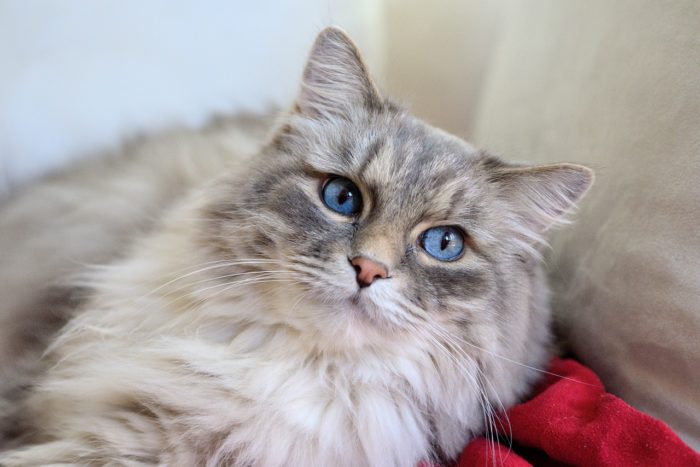
The Science Behind the Hack: What Exactly Is a Hairball?
To understand how to prevent hairballs, we first need to understand why they exist. Cats are meticulous groomers, spending up to 30% to 50% of their waking hours cleaning themselves. Their tongues are covered in tiny, backward-facing hooks called papillae, made of keratin. These hooks are incredibly efficient at catching loose and dead fur. Because the hooks point toward the throat, once a cat catches hair on its tongue, the only way for that hair to go is down.
In a perfectly functioning digestive system, the small amount of hair swallowed during daily grooming passes through the stomach, into the small intestine, and eventually out in the litter box. However, if there is a massive amount of hair—common in long-haired breeds or during shedding season—or if the digestive tract isn’t moving as quickly as it should (low motility), the hair lingers in the stomach. Over time, the hair mixes with digestive fluids and mucus, matting together into a dense mass. When this mass becomes too large to pass into the small intestine, the stomach’s natural response is to eject it upward.
Identifying the Root Cause: More Than Just Fur
Dr. Carly Patterson from the Texas A&M College of Veterinary Medicine & Biomedical Sciences points out that there are two primary drivers for hairball formation: excessive ingestion of hair and decreased gastrointestinal motility. If your cat is producing more than one or two hairballs a month, it is time to look deeper at these two factors. For those looking to optimize their cat’s overall health, implementing purr-fectly well strategies for supporting cat wellness is the first step in identifying these underlying triggers.
Excessive Grooming and Skin Irritation
Is your cat grooming because they are clean, or because they are itchy? Skin allergies, fleas, or environmental sensitivities can cause a cat to over-groom. When a cat licks an itchy spot repeatedly, they ingest far more fur than their system can handle. Furthermore, some cats engage in “psychogenic alopecia,” which is a fancy term for stress-induced over-grooming. If your home has recently changed—perhaps a new pet or a move—your cat might be using grooming as a self-soothing mechanism, leading to a spike in hairballs.
The Role of Pain in Over-Grooming
It might surprise some owners to learn that cats often groom areas that hurt. A cat with arthritis in its hips may lick the fur over that joint until it is thin, swallowing large amounts of hair in the process. This is why a veterinary consultation is so critical; what looks like a simple hairball problem might actually be a cry for help regarding chronic pain or discomfort.
The Danger Zones: When Hairballs Become a Medical Emergency
While the occasional hairball is usually benign, they can become life-threatening. A hairball that becomes too large to be vomited and too dense to pass into the intestines can cause a total gastrointestinal blockage. This is a surgical emergency. You should contact your veterinarian immediately if you notice any of the following symptoms:
- Productive Retching Without Results: If your cat is hacking repeatedly but nothing comes up, a mass might be stuck.
- Lethargy and Loss of Appetite: A cat that refuses to eat for more than 24 hours is often in significant distress.
- Constipation or Diarrhea: Changes in stool can indicate a partial blockage.
- Hard, Bloated Abdomen: This often indicates a backup in the digestive tract.
Understanding these signs is a core part of kitten care and long-term hygiene, ensuring that you catch potential obstructions before they become fatal.
Strategic Prevention: Diet and Hydration
One of the most effective ways to combat hairballs is from the inside out. Dr. Patterson notes that increasing dietary fiber can be a game-changer. Fiber works like a broom for the digestive tract, sweeping the hair along so it doesn’t have the chance to clump together in the stomach.
The Power of Fiber
Many “Hairball Control” cat foods use higher levels of insoluble fiber, such as powdered cellulose or beet pulp. You can also supplement your cat’s diet with a teaspoon of plain canned pumpkin (not pumpkin pie filling!) or specialized veterinary fiber gels. These additions help maintain the “transit time” of the gut, ensuring hair moves out the back end rather than the front.
Meal Frequency Matters
Instead of feeding one or two large meals, try breaking your cat’s daily caloric intake into four or five smaller portions. Frequent small meals keep the digestive muscles active throughout the day, preventing the stasis that allows hair to accumulate into a ball. This mimics a cat’s natural hunting behavior and keeps the metabolic engine running smoothly.
The Importance of Grooming Beyond the Surface
If the hair doesn’t get into the cat, it can’t form a hairball. This is why daily brushing is the golden rule of hairball prevention, especially for long-haired breeds like Maine Coons or Persians. Brushing removes the dead undercoat that the cat would otherwise swallow during self-grooming. However, grooming isn’t just about the brush; it is about monitoring the health of the coat. Understanding the hidden dangers of matted fur is essential, as mats can trap dirt and skin oils, leading to the very skin irritations that cause over-grooming.
For cats that are particularly prone to shedding, using a de-shedding tool once a week can significantly reduce the volume of loose fur. For cats that dislike brushing, start slow with a soft bristle brush and use positive reinforcement, like freeze-dried treats, to build a positive association with the grooming session.
People Also Ask: Common Hairball Questions
How often is it “normal” for a cat to have a hairball?
While many people think hairballs are a daily fact of life, most vets agree that one hairball every week or two is the upper limit for long-haired cats. For short-haired cats, hairballs should be quite rare. If it is happening more frequently, it is time for a check-up to rule out inflammatory bowel disease (IBD) or other motility issues.
Can hairballs cause weight loss?
Indirectly, yes. If a hairball is causing chronic irritation in the stomach or a partial blockage, the cat may feel nauseous and lose their appetite. If your cat is losing weight and frequently vomiting hairballs, this is a red flag for an underlying medical condition.
Are there home remedies for hairballs?
Small amounts of fish oil or specialized petroleum-based lubricants can help “grease the wheels,” so to speak. However, you should never give your cat mineral oil or butter, as these can lead to nutritional imbalances or aspiration pneumonia if inhaled. Always consult your vet before adding supplements to your pet’s routine.
Expert Verdict: A Holistic Approach to Feline Health
My final word on hairballs is this: don’t ignore the hack. While we often laugh off the “gift” left on the rug, it is a signal from your cat’s body. By combining high-quality nutrition, environmental enrichment to reduce stress, and a dedicated grooming routine, you can drastically improve your cat’s quality of life. As Dr. Patterson advised, we must address the underlying medical problems first. Long-term reliance on laxatives should be a last resort, not the first line of defense. A healthy cat is a cat that keeps its fur on the outside and its food on the inside.
Conclusion: Actionable Steps for Owners
To recap, managing hairballs requires a three-pronged approach: Grooming, Diet, and Medical Vigilance. Start by brushing your cat daily to minimize hair ingestion. Evaluate their diet and consider increasing fiber or moving to smaller, more frequent meals to support gut motility. Finally, keep a “hairball log” to track frequency; if you notice an uptick, schedule a veterinary visit to ensure there isn’t an underlying allergy or digestive disorder at play. Taking these simple steps today will lead to a much cleaner carpet and, more importantly, a much happier, more comfortable feline companion.


