Deciding to keep your cat indoors is a choice often rooted in love and a desire for safety. By shielding them from the hazards of busy roads, predators, and contagious diseases, you are effectively extending their lifespan. However, as any seasoned feline guardian knows, an indoor lifestyle is not without its own set of challenges. Without the natural stimulation of the wild, indoor cats can easily succumb to boredom, sedentary habits, and chronic stress. As we move through 2024, veterinary science is shedding more light than ever on the profound link between a cat’s environment and its physical health. Recent studies suggest that a lack of environmental complexity doesn’t just lead to behavioral issues; it can manifest as tangible medical conditions. To truly thrive, an indoor cat needs more than just a roof and a bowl of kibble; they need a home that respects their ancestral instincts while providing modern comfort.
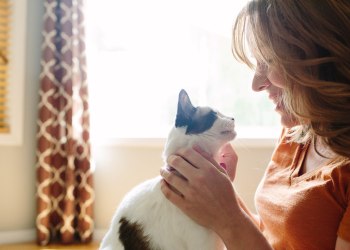
The Science of Stress: Why Environment Matters
It is a common misconception that because indoor cats are safe, they are inherently relaxed. In reality, cats are highly sensitive creatures whose physiological health is deeply intertwined with their emotional state. A landmark study conducted by Ohio State University revealed that even healthy cats show clinical signs of illness when their environment is stressful or unpredictable. More strikingly, cats diagnosed with feline interstitial cystitis (a painful, sterile inflammation of the bladder) showed significant health improvements when their environmental stress was mitigated. This condition, often referred to as Pandora Syndrome, highlights how a cat’s surroundings can literally change their internal chemistry.
To prevent these issues, owners must transition from being just “pet parents” to “habitat designers.” By observing how cats behave in their natural state—as both predators and solitary survivors—we can recreate a domestic landscape that fulfills their biological needs. This involves addressing territory, hunting instincts, and the critical need for safety.
1. Respecting the Feline Need for Territory
For a cat, territory is synonymous with security. This is particularly crucial in a multi-pet household where competition for resources can lead to silent but intense stress. While some cats are socially fluid, the vast majority are independent by nature and require a


