As someone who has spent years immersed in the world of animal husbandry—from the delicate requirements of exotic reptiles to the complex social structures of avian companions—I have learned that some of the most challenging health issues are those that occur beneath the surface. Feline Lower Urinary Tract Disease, commonly known as FLUTD, is one of those conditions. It is a term that strikes fear into the hearts of cat parents, and for good reason. Watching a feline companion struggle with urinary distress is heartbreaking, but understanding the nuances of this syndrome can be the difference between a minor setback and a life-threatening emergency.
FLUTD is not a single disease but rather an umbrella term used to describe a variety of conditions that affect the bladder and urethra in cats. Because it covers so much ground, the symptoms can range from subtle behavioral shifts to overt signs of physical agony. My journey with animals has taught me that prevention and early detection are our most powerful tools. In this comprehensive guide, we will dive deep into the facts surrounding FLUTD, drawing on veterinary expertise and real-world care strategies to help you navigate this complex health landscape.
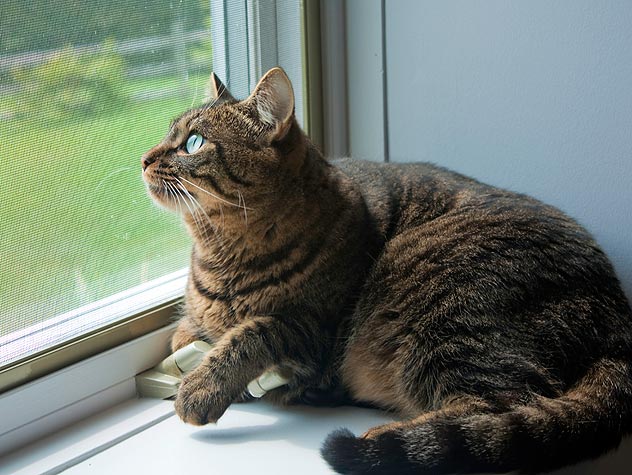
What Is Feline Lower Urinary Tract Disease (FLUTD)?
To truly manage FLUTD, we must first understand its nature. It is a syndrome, which means it is a collection of clinical signs that may have different underlying causes. Dr. Audrey Cook, a professor at the Texas A&M College of Veterinary Medicine & Biomedical Sciences, emphasizes that because FLUTD is caused by a number of different disorders, the range of symptoms is incredibly broad. It is essentially a way for the cat’s body to say, “Something is wrong with my plumbing.”
Most cases of FLUTD involve inflammation of the bladder wall or the urethra. This irritation makes the cat feel like they need to urinate constantly, even when their bladder is empty. In more severe cases, physical obstructions like stones or mucus plugs can prevent the passage of urine entirely. When we look at the big picture of feline health, the tail of triaditis and other multi-organ issues often remind us how interconnected a cat’s internal systems really are.
Common Symptoms to Watch For
Recognizing the signs of FLUTD early is vital. Cats are masters of hiding pain, a survival instinct inherited from their ancestors. By the time they show obvious distress, the condition may already be advanced. Keep a close eye out for these red flags:
- Inappropriate Urination: If your well-trained cat suddenly starts having “accidents” on the rug, the laundry, or your bed, don’t assume it’s a behavioral spite. Often, cats associate the litter box with the pain they feel when urinating and try to find a “softer” or “safer” place to go.
- Frequent Trips to the Litter Box: You may notice your cat entering and exiting the box multiple times in an hour, often passing only a few drops of urine.
- Straining and Vocalizing: A cat that hunches over for long periods in the box or cries out while trying to urinate is in significant pain.
- Blood in the Urine (Hematuria): You might see a pinkish tint to the urine in the litter box or spots of blood where the cat has attempted to go.
- Excessive Licking: Cats with urinary irritation often lick their genital area excessively to soothe the discomfort.
The Primary Causes of Urinary Distress
Understanding why FLUTD happens is the first step toward effective treatment. There are several major culprits that veterinarians look for when a cat presents with these symptoms.
1. Feline Idiopathic Cystitis (FIC)
Surprisingly, the most common cause of FLUTD—accounting for about 60-70% of cases—is Feline Idiopathic Cystitis. “Idiopathic” is a fancy medical term meaning the exact cause is unknown. However, we do know that FIC is a sterile inflammation of the bladder wall, and it is heavily linked to stress. In cats with FIC, the protective lining of the bladder (the GAG layer) becomes thin, allowing harsh chemicals in the urine to irritate the sensitive tissue underneath. This is essentially a physical manifestation of a psychological or environmental stressor.
2. Urinary Stones (Urolithiasis)
Bladder stones, or uroliths, are another frequent cause. These are formed when minerals in the urine—most commonly struvite or calcium oxalate—clump together into hard crystals and eventually stones. These stones can roll around like pebbles in the bladder, causing bleeding and irritation, or they can get lodged in the urethra, creating a blockage.
3. Urethral Obstructions
This is the most dangerous form of FLUTD. A blockage can be caused by stones, or by a “plug” made of mucus, protein, and crystals. When a cat is “blocked,” they cannot empty their bladder. This leads to a backup of toxins (like potassium) in the bloodstream, which can cause heart failure and death within 24 to 48 hours. If your cat is straining and passing no urine, it is a medical emergency.
Why Male Cats Face a Higher Risk
While FLUTD can affect any cat, male cats are statistically at a much higher risk for life-threatening obstructions. This is due to their unique anatomy. A male cat’s urethra is significantly longer and narrower than that of a female. Imagine trying to flush a small pebble through a wide pipe versus a narrow straw; the straw is much more likely to get clogged. Because of this, even a small amount of sediment or a tiny crystal can completely block a male cat’s ability to urinate.
Female cats still suffer from the pain of cystitis and stones, but they are far less likely to experience a total blockage. Regardless of gender, if you suspect urinary issues, consulting the low-down on cat litter boxes and monitoring their habits is a great place to start your investigative work.
Environmental Factors: Stress and Obesity
As an exotic pet enthusiast, I often talk about the importance of “husbandry.” In the world of cats, husbandry translates to their living environment. Research shows that FLUTD is more prevalent in cats that are sedentary, obese, and kept strictly indoors. Why is this?
Obese cats often have a harder time grooming themselves and may be less active, leading to less frequent urination. The longer urine sits in the bladder, the more time crystals have to form. If your cat has put on a few extra pounds, it is worth looking into how to help an overweight cat lose weight to reduce their risk of metabolic and urinary diseases.
Furthermore, stress is a massive trigger. Cats are sensitive creatures; a change in the household, a new baby, a move, or even a neighborhood cat outside the window can spike their cortisol levels and trigger an episode of idiopathic cystitis. Providing environmental enrichment—like cat trees, scratching posts, and interactive play—is not just about fun; it is a medical necessity for preventing FLUTD.
Prevention Strategies for a Healthy Bladder
While you can’t always prevent FLUTD entirely—especially since some cats are genetically prone to it—there are several steps you can take to significantly lower the risk.
Hydration is Key
Dilute urine is less irritating to the bladder wall and less likely to form crystals. Encourage your cat to drink more by providing fresh water in multiple locations. Many cats prefer running water, so a pet fountain can be a game-changer. Switching to a wet-food-only diet is one of the most effective ways to increase a cat’s water intake, as canned food is roughly 75-80% water.
The Gold Standard of Litter Box Management
A dirty or stressful litter box environment can cause a cat to “hold it,” which increases the risk of urinary issues. Follow these rules:
- The N+1 Rule: You should have one more litter box than you have cats. If you have two cats, you need three boxes.
- Cleanliness: Scoop at least once daily and perform a full scrub-down of the boxes every few weeks.
- Location: Keep boxes in quiet, low-traffic areas where the cat won’t feel cornered or startled.
Dietary Management
For cats prone to stones, a prescription urinary diet may be necessary. These diets are specifically formulated to maintain a certain urine pH and limit the minerals that form stones. Never start a specialized diet without consulting your veterinarian first, as the wrong diet can sometimes make certain types of stones worse.
People Also Ask (FAQ)
Can FLUTD be cured?
FLUTD is often a chronic condition rather than a one-time illness. While individual episodes can be treated and resolved, many cats have a high rate of recurrence. Managing FLUTD is about long-term lifestyle changes—diet, hydration, and stress reduction—to keep the symptoms at bay.
Is FLUTD contagious to other cats?
No. FLUTD is not an infectious disease like a cold or a virus. It is an internal inflammatory or structural issue. You do not need to worry about one cat “catching” it from another, though if the stress of a multi-cat household is the cause, multiple cats might show symptoms simultaneously.
What does a vet do to diagnose FLUTD?
A vet will typically start with a physical exam and a urinalysis to check for blood, crystals, or signs of infection. They may also recommend X-rays or an ultrasound to look for bladder stones or structural abnormalities.
Is there a home remedy for a blocked cat?
Absolutely not. A urinary blockage is a life-threatening emergency that requires professional medical intervention. Attempting home remedies or waiting for it to “pass” will lead to the cat’s death. If you see straining with no output, go to the emergency vet immediately.
Expert Verdict: A Holistic Approach to Feline Health
My final thoughts on FLUTD are rooted in the idea of proactive care. We often wait until a problem arises before we change our habits, but with feline urinary health, the best defense is a good offense. By prioritizing hydration, managing weight, and creating a low-stress home environment, you are giving your cat the best possible chance at a pain-free life.
FLUTD is a complex puzzle, but you don’t have to solve it alone. Work closely with your veterinarian to develop a tailored plan for your cat. Remember, every cat is an individual, and what works for one may not work for another. Stay observant, stay informed, and always trust your gut if you feel something isn’t right with your furry friend.
Key Takeaways for Cat Owners
- Monitor closely: Watch for changes in litter box habits or vocalization during urination.
- Hydrate: Increase water intake through wet food and fountains.
- Reduce Stress: Use pheromone diffusers and provide enrichment to keep your cat calm.
- Emergency Awareness: Straining without urine production in males is an immediate emergency.
- Maintain the Box: Stick to the N+1 litter box rule and keep them meticulously clean.


