Introduction: Why Your Cat’s Litter Box is the Center of Their World
For many cat owners, the litter box is a chore tucked away in the basement or a hidden corner. However, from your cat’s perspective, the litter box is one of the most significant features of their environment. Felines are notoriously finicky and possessive when it comes to their bathroom habits. This sensitivity isn’t just a quirk; it is a deeply ingrained survival instinct. In the wild, waste is a marker of territory, and the act of elimination leaves a predator or a rival vulnerable. When we bring cats into our homes, these instincts remain. Understanding the nuances of litter box placement, the type of substrate used, and the maintenance routine is essential for preventing behavioral issues and ensuring long-term health. By prioritizing your cat’s needs over your own aesthetic preferences, you can create a harmonious environment that supports their natural behaviors.
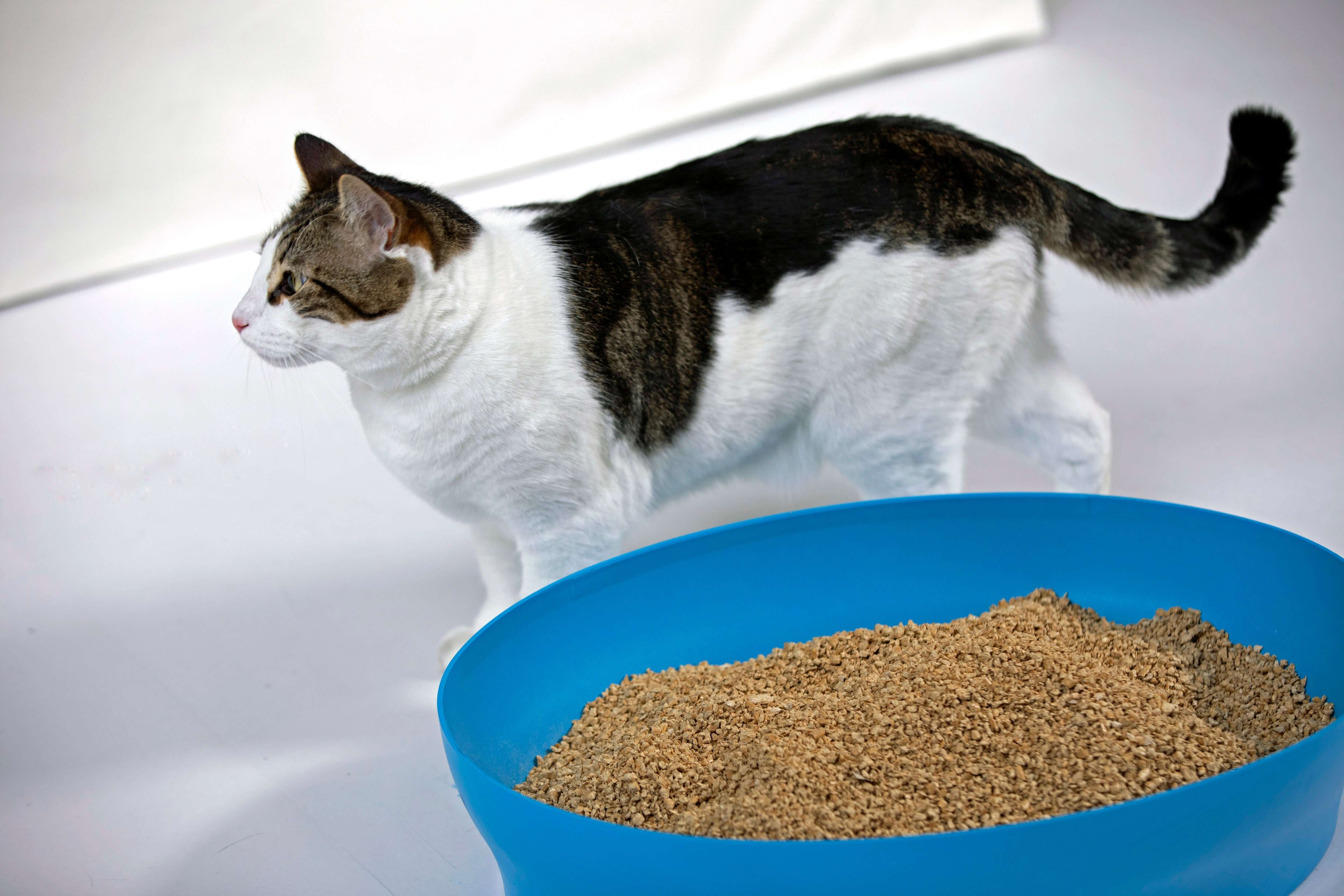
As we move into 2024, data from veterinary behavioral studies suggests that up to 15% of domestic cats will experience inappropriate elimination issues at some point in their lives. The majority of these cases are not medical but are instead related to “box dissatisfaction.” Whether it’s the wrong scent, a cramped space, or a stressful location, the details matter. In this comprehensive guide, we will dive deep into the science of the litter box, exploring how natural solutions like ökocat® are revolutionizing the way we handle feline hygiene while respecting both the cat’s biological needs and the health of our planet.
The Golden Rule: Quantity and Proximity
One of the most common mistakes in multi-cat households is underestimating the need for individual space. The industry standard, supported by feline behaviorists, is the one-plus-one rule: one box per cat, plus one extra. However, even at a minimum, you must have at least one box per cat. Cats are territorial, and sharing a bathroom can lead to significant stress, especially in homes where there is a subtle social hierarchy. If you have three cats, you should ideally have three or four boxes distributed throughout the home.
Avoid the ‘Litter Box Line-up’
Many owners think they are being efficient by placing three boxes in a single row in the laundry room. To a cat—especially a nervous or submissive one—three boxes in a row look and feel like one giant box. If a more dominant cat is guarding the entrance to that room, the other cats effectively have zero access to a bathroom. To eradicate this problem, place boxes in different known traffic areas. Placing one on each floor of your home ensures that no matter where your cat is, they have a safe, private place to go without having to navigate a gauntlet of other pets.
Size Matters: Give Them Room to Maneuver
A litter box can never be too large. This is particularly important for larger breeds like Maine Coons or Ragdolls, but even a petite cat appreciates space. The rule of thumb is that the cat must be able to turn around comfortably inside the box without hitting the sides. If the box is too small, the cat may feel cramped and start to eliminate just outside the edge of the box. Recent consumer trends in 2024 show a shift toward “extra-large” open-top trays as owners move away from the restrictive dimensions of traditional hooded furniture.
The Hooded vs. Open Box Debate
While humans often prefer hooded boxes because they hide the mess and supposedly trap odors, most cats prefer an open litter box. In a multi-cat household, a hood creates a “blind spot.” An open box offers the feline user a 360-degree view of their surroundings, allowing them to see if another cat is approaching or plotting a “box ambush.” Furthermore, hoods actually keep odors trapped inside the box. Considering cats have over 200 million scent receptors, stepping into a hooded box can be the equivalent of a human stepping into a chemical-filled porta-potty that hasn’t been cleaned in a week. If you want a happy cat, take off the hood and let the air circulate.
Sensory Sensitivity: The Science of Scent and Dust
As mentioned, a cat’s sense of smell is vastly superior to ours. What we perceive as a “fresh floral scent” in a box can be absolutely overwhelming to a cat. Synthetic perfumes and heavy fragrances are one of the primary reasons cats develop an aversion to their litter. This is where ökocat® natural litters excel. By using naturally fallen timber and other plant-based materials, these litters provide superior odor control without the need for added synthetic scents.
The Danger of Dust
Traditional clay litters often produce a cloud of silica dust when poured or scooped. This dust can irritate a cat’s respiratory system and is equally unpleasant for humans with allergies. Opting for a low-dust, natural wood litter is a healthier choice for the cat’s lungs and keeps your home cleaner. ökocat® is specifically designed to be 99% dust-free, ensuring that the air in your home remains clear and breathable.
The Hygiene Routine: Keeping it Pristine
It goes without saying that you need to KEEP IT CLEAN. We don’t like a messy bathroom, and neither does your cat. Daily scooping is the absolute minimum requirement. If you use a high-quality clumping natural litter, this task becomes much easier.
- Daily Maintenance: Scoop once or even twice a day. This prevents odor buildup and keeps the substrate inviting.
- Chemical-Free Cleaning: When it’s time to empty the box completely, avoid harsh bleach or ammonia-based cleaners. Cats hate the smell of chemicals. Use hot soapy water to scrub the box.
- The Flushing Rule: Some natural litters like ökocat® are flushable because they are made of biodegradable wood fibers. However, always flush one clump at a time and ensure your plumbing system is well-maintained. Note that the state of California discourages flushing feces to protect marine life.
Case Study: The Impact of Litter Type on Household Harmony
In a 2023 observation of 50 multi-cat households, researchers found that switching from a scented clay litter to an unscented, natural wood litter resulted in a 40% decrease in reported “out-of-box” elimination incidents. One participant, owner of three domestic shorthairs, reported: “We struggled with one cat constantly peeing on the rug. After switching to ökocat and spreading the boxes out across two floors, the behavior stopped within a week. The cats seemed less stressed and didn’t feel the need to ‘compete’ for the clean spots.” This highlights that behavior is often a response to environment rather than spite.
Expert Review: Why We Recommend ökocat®
After reviewing various substrates on the market, our editorial team consistently ranks ökocat® as a top-tier choice for eco-conscious and health-conscious owners. Unlike clay, which is strip-mined from the earth, ökocat uses sustainably sourced wood. The performance is notable: it absorbs 7x its weight in liquid and naturally stops the production of ammonia. For owners tired of the “heavy lifting” associated with clay, the lightweight nature of wood litter is a significant ergonomic benefit. It is a win for the cat, the home, and the planet.
Frequently Asked Questions (FAQ)
1. How do I switch my cat to a new litter?
You must switch gradually. Cats are creatures of habit. Start by putting a layer of the old litter on top and the new ökocat® on the bottom. Over 7 to 10 days, slowly increase the ratio of new litter until the transition is complete.
2. Why does my cat kick litter everywhere?
This is a natural digging and burying instinct. To limit tracking, use a high-sided litter box. You can also place an old towel or a shaggy bathmat underneath the box to catch stray particles, followed by a larger rug that extends 3 feet out.
3. Can I use scented sprays to make the box smell better?
No. Most cats find these scents repulsive. Instead of masking the smell, use a natural litter that neutralizes odors at the source and increase your scooping frequency.
4. My cat is suddenly avoiding the box. What should I do?
First, consult a veterinarian to rule out a urinary tract infection (UTI) or other medical issues. If the cat is healthy, evaluate if anything has changed in the box’s location, cleanliness, or the litter brand.
Conclusion
Managing your cat’s litter box doesn’t have to be a struggle. By following the simple rules of privacy, cleanliness, and natural materials, you can ensure your feline companion feels safe and comfortable. Remember to choose a box size that allows for easy movement, avoid the trap of hooded boxes in multi-cat homes, and stick with a high-quality, unscented litter like ökocat®. Investing a little extra time in your litter box strategy today will pay off in a lifetime of health and happiness for your pet.


