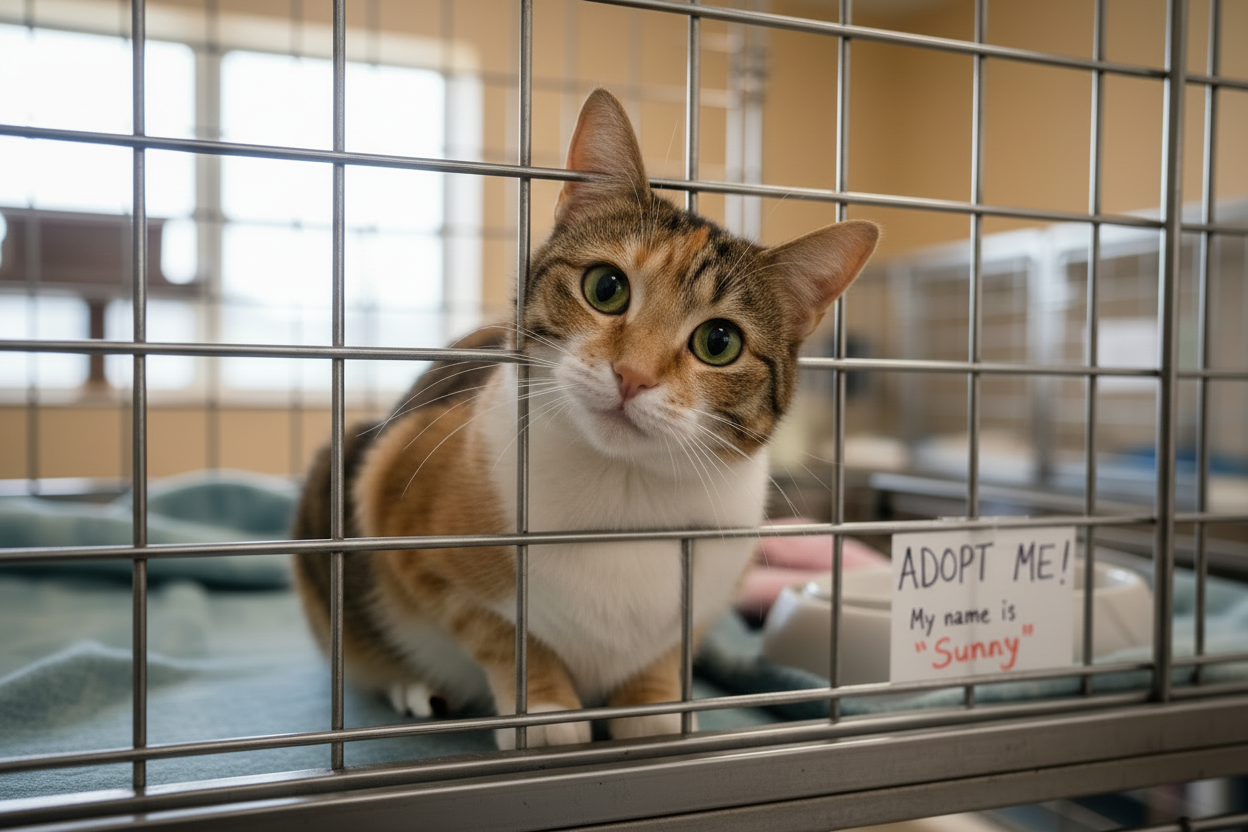
Walk into almost any animal shelter in the country today, and you will witness a scene that is both heart-wrenching and deeply inspiring. You see dedicated staff members operating at maximum capacity, volunteers with leashes in hand, and cats curled into small, hopeful balls in their beds. Behind the bars, dogs offer that unmistakable look—a mix of curiosity and longing—that makes you want to reach out and offer immediate reassurance. Yet, behind this daily rhythm lies a sobering reality: a steady, relentless stream of new arrivals that never seems to slow. As we move through 2024, the pressure on these community hubs has reached a critical tipping point, making local involvement more than just a kindness—it is a necessity for survival.
The Current State of Animal Shelters: A 2024 Perspective
To understand the importance of community help, we must first look at the data. According to recent 2024 industry reports from organizations like Shelter Animals Count, United States shelters are currently managing an intake of approximately 6.5 million cats and dogs annually. While this is a slight decrease from historical highs decades ago, the modern challenge lies in the “length of stay.” Pets are staying in shelters longer because adoption rates have fluctuated due to economic pressures and housing crises. When animals stay longer, resources—including food, medical supplies, and kennel space—become exponentially more strained.
Shelter workers frequently report feeling stretched to their absolute limits. They face a “triple threat”: staffing shortages, rising veterinary costs (up nearly 12% in the last year alone), and a growing list of animals requiring specialized behavioral or medical care. What prevents this system from collapsing entirely is the grassroots community involvement of regular people. Whether it is for a single afternoon or a commitment of several months, these small acts are the engine that keeps the doors open and the tails wagging.
Flexible Volunteering: Finding Your Niche
A common misconception is that volunteering at a shelter requires a massive weekly time commitment. In reality, modern shelters have evolved to embrace micro-volunteering. If you can only spare two hours a month, there is a role for you. For those who enjoy physical activity, walking dogs is a primary need. Shelter staff will provide training on how to handle “pullers” or pets that experience anxiety around other animals. This 30-minute walk is often the only time a high-energy dog gets to decompress, sniff the grass, and remember that the world is a kind place.
If you prefer a quieter environment, shelters desperately need help with “behind-the-scenes” logistics. This includes:
- Socialization: Simply sitting in a room with a shy cat to help them get used to human presence.
- Administrative Support: Helping with data entry or answering phones so staff can focus on animal intake.
- Facility Maintenance: Folding laundry, cleaning crates, and organizing donated supplies.
These tasks might seem mundane, but they are vital. Every minute a volunteer spends folding blankets is a minute a staff member can spend assisting a veterinarian or facilitating a high-stakes adoption.
The Power of Fostering: Saving Lives from the Living Room
Fostering is perhaps the most impactful way an individual can assist a rescue organization. Some animals—particularly senior pets, neonatal kittens, or those recovering from surgery—simply cannot thrive in a high-stress shelter environment. A foster home provides the critical decompression space needed for these animals to show their true personalities.
Case Study: The Impact of Foster Data
In a 2023 study of shelter outcomes, animals that spent at least one week in a foster home had a 40% higher chance of being adopted quickly once they returned to the system or were listed online. Why? Because foster parents can provide specific details that a shelter environment masks. Knowing that a dog is “house-trained and loves watching birds” or that a cat “prefers sleeping on the foot of the bed” provides potential adopters with the confidence they need to commit. Foster homes act as a bridge, turning an “unseen” shelter pet into a well-documented family companion.
Many people hesitate to foster because they fear the emotional toll of saying goodbye. However, experienced fosters often describe the “graduation day” as a moment of profound pride. By opening your door, you aren’t just helping one animal; you are opening up a kennel space for the next animal in desperate need of rescue.
Creative Outreach and Professional Visibility
In the digital age, visibility is currency. Sharing adoptable pets on social media is a powerful tool, but community-based physical marketing remains incredibly effective. Some volunteers have taken to creating high-quality physical materials to reach those who aren’t active on rescue apps. Using professional booklet printing services to create “lookbooks” of adoptable pets for local coffee shops or libraries adds a touch of legitimacy and care that a standard black-and-white flyer lacks.
When a community member flips through a well-designed booklet filled with success stories and beautiful photography, they feel a personal connection to the cause. These materials often “travel,” passing from one neighbor to another, creating a ripple effect of awareness that eventually leads to a permanent home for a long-term resident.
Fundraising: Turning Small Change into Big Change
Shelters operate on razor-thin margins. While adoption fees help, they rarely cover the full cost of vaccines, spay/neuter surgeries, and emergency medical interventions. Fundraising doesn’t have to be a gala event; it can be a community-led effort:
- Neighborhood Yard Sales: Designate a portion of the proceeds to the local shelter. It’s a great way to declutter while saving lives.
- Bake Sales and Lemonade Stands: These remain classic for a reason. They engage children in philanthropy and provide a platform to hand out information about shelter needs.
- Donation Drives: Instead of money, many shelters need “in-kind” donations. Collecting unopened pet food, gently used towels, and cleaning supplies from coworkers can provide a massive boost to a shelter’s monthly budget.
Expert Review: The Verdict on Community-Led Rescue
From a journalistic and social perspective, the “shelter-only” model is no longer sustainable without deep community integration. Experts in animal welfare argue that the “Community Tier” of support—volunteers, fosters, and local donors—is what prevents the euthanasia of healthy animals due to lack of space. The verdict is clear: The health of a local animal shelter is a direct reflection of the engagement of its surrounding neighborhood. When communities step up with small, consistent actions, the entire ecosystem thrives, leading to higher save rates and stronger human-animal bonds.
Frequently Asked Questions (FAQ)
Q: I have pets at home; can I still foster?
A: Absolutely. Most shelters will help you perform a “meet and greet” to ensure compatibility, or they can provide you with animals that are known to be good with other pets. You can also foster animals that are kept in a separate room, such as nursing kittens.
Q: What if I can’t afford the medical bills for a foster pet?
A: Almost all 501(c)(3) rescues and municipal shelters cover 100% of the medical costs for animals in foster care. Some even provide food and crates. You provide the love and the space; they provide the rest.
Q: Are there age requirements for volunteering?
A: Requirements vary by facility. Many shelters allow teenagers to volunteer with parental supervision, while others have a minimum age of 16 or 18 for insurance reasons. Check your local shelter’s website for their specific policy.
Q: How else can I help if I am allergic to animals?
A: You can help with digital marketing, professional booklet distribution, organizing fundraising events, or even transport (driving animals to vet appointments or transport hubs) where contact is minimal.
Conclusion: Your Small Act Awaits
Community support is not a grand, abstract concept; it is a collection of ordinary people doing ordinary things that add up to an extraordinary impact. Whether it’s a weekend foster, a social media share, or a donation of old towels, every action moves the needle. If you’ve been waiting for a sign to get involved, let this be it. Contact your local shelter today, ask what their most pressing need is, and discover how your small contribution can change the world for a pet in need.


