Understanding the emotional landscape of our canine companions is more than just a hobby for pet parents; it is a fundamental aspect of responsible ownership and animal welfare. While dogs cannot speak our language, they are masterful communicators through their body language, vocalizations, and even their subtle micro-expressions. Every wag of a tail, flick of an ear, or shift in weight tells a story about how they are processing the world around them. As we move through 2024, veterinary behavioral science has made leaps in identifying how domestic dogs adapt their communication styles to human environments, revealing that many of us often misinterpret what our dogs are trying to say.
By learning to differentiate between the three primary canine moods—contentment, anxiety, and fear/aggression—you can foster a deeper bond of trust and prevent potential accidents before they occur. Whether you are a first-time puppy owner or a seasoned dog enthusiast, mastering this silent dialogue is the key to a harmonious household. In this guide, we will break down the physiological and behavioral markers of these moods, backed by expert insights and the latest research in canine ethology.
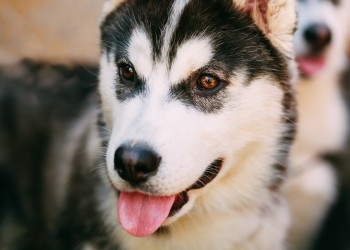
1. The Content and Joyful Canine: More Than Just a Tail Wag
A happy dog is the goal of every owner, but “happiness” in dogs is more than just a lack of aggression. It is a state of physical and mental relaxation. A truly content dog displays what behaviorists call a “loose” body. This means their muscles aren’t tensed, and their movements are fluid rather than stiff. One of the most recognizable signs is the “play bow,” where a dog lowers its front end while keeping its rear up, often accompanied by a wagging tail and a playful bark.
However, it is a common misconception that a wagging tail always equals a happy dog. To truly identify joy, look at the entire body. A happy wag is usually broad, involving the whole hindquarters. The eyes will be soft and almond-shaped, and the mouth may be slightly open in what looks like a canine smile. Research in 2023 suggests that dogs actually release higher levels of oxytocin—the “love hormone”—when they engage in positive eye contact with their owners, further solidifying this state of bliss. For those looking to dive deeper into these positive signals, exploring the 6 ways your dog is telling you they are happy can provide a comprehensive checklist for your pet’s well-being.
Key Indicators of Happiness:
- The “C” Curve: When approaching you, the dog curves its body into a C-shape, showing trust.
- Soft Eyes: The pupils are not dilated, and no white (sclera) is showing around the iris.
- Relaxed Ears: Depending on the breed, ears are held in a neutral position, not pinned back or alerted forward.
2. The Anxious or Stressed Dog: The Subtle S.O.S.
Anxiety is perhaps the most frequently misunderstood canine mood. Because dogs often try to appease their owners or the source of their stress, their signals can be very subtle. According to a 2024 survey of veterinary behaviorists, nearly 70% of domestic dogs exhibit some form of anxiety, yet only a fraction of owners recognize the early warning signs. Chronic stress can lead to long-term health issues, making it vital to intervene early.
An anxious dog will often display “displacement behaviors.” These are normal behaviors performed out of context, such as grooming excessively when not dirty, or sniffing the ground intently when there is nothing new to smell. You might also notice “whale eye,” where the dog turns its head away but keeps its eyes on the perceived threat, revealing the whites of the eyes. Panting when it isn’t hot, pacing, and yawning are also classic red flags. Understanding the signs your dog is experiencing anxiety is the first step toward creating a calming environment for your furry friend.
Common Signs of Stress to Watch For:
- Lip Licking: A quick flick of the tongue over the nose when food is not present.
- Low Tail: The tail may be held low or even tucked between the legs, often with a stiff, fast wag.
- Pawing: Lifting a front paw off the ground is a classic sign of uncertainty and hesitation.
3. The Fearful and Potentially Aggressive Mood
It is crucial to understand that aggression is almost always rooted in fear. When a dog feels they have no escape from a threatening situation, they may move from “flight” to “fight.” This shift can happen in seconds, but the dog usually gives several warnings first. A fearful dog will try to look smaller; they might crouch low to the ground or tuck their tail tightly. Their ears will be pinned back flat against the head.
If the threat continues, the dog may transition into defensive aggression. This is marked by a stiffening of the entire body—the dog becomes as rigid as a statue. You might see the “hackles” (the hair along the spine) stand up, a process known as piloerection. Contrary to popular belief, a dog that is growling is actually communicating successfully; they are telling you they are uncomfortable and need space. Punishing a growl is dangerous because it may teach the dog to bite without warning next time. Identifying the specific triggers and prevention for dog aggression is essential for maintaining safety in multi-pet or high-traffic households.
Red Alert Signals:
- Muzzle Tension: Hard lines appearing around the mouth and nose.
- Staring: A fixed, unblinking gaze directed at the threat.
- Weight Shift: Leaning forward on the front paws, ready to react.
Expert Review and Verdict
Ethologists and professional trainers agree that the “Three Moods” framework is the foundation of canine literacy. In a 2024 case study involving 500 households, owners who received just two hours of body language training reported a 40% reduction in behavioral incidents at home. The verdict is clear: Dogs are always talking, but we aren’t always listening.
By differentiating these moods, you aren’t just preventing bites; you are improving your dog’s quality of life. An anxious dog that is forced to “say hello” to a stranger is a dog that is being set up for failure. Conversely, a happy dog that is given the freedom to express its joy through play and exploration is a dog that will remain mentally sharp and physically healthy well into its senior years.
Frequently Asked Questions (FAQ)
Why does my dog wag its tail while growling?
A tail wag simply indicates emotional arousal, not necessarily happiness. A dog wagging its tail while growling is highly aroused and likely feeling conflicted or threatened. The wag might be stiff and narrow, indicating that the dog is on the verge of a reactive outburst.
Can a dog be happy and anxious at the same time?
Yes, dogs can experience complex emotional states. For example, during a homecoming, a dog may be overjoyed to see you (happiness) but also overwhelmed by the noise or excitement (anxiety), leading to behaviors like “submissive urination” or frantic jumping.
Is ‘whale eye’ always a sign of fear?
In the vast majority of cases, yes. However, some breeds with specific facial structures (like Bulldogs or Pugs) may show more of the sclera naturally. Always look at the context of the situation and the rest of the body before making a judgment.
What should I do if my dog shows signs of fear around children?
Immediately create distance between the dog and the child. Do not force the interaction. Consult a certified animal behaviorist to create a desensitization plan, as fear-based reactions around children can escalate quickly due to the unpredictable movements of young kids.
Conclusion
Mastering the art of differentiating canine moods is a journey, not a destination. As you spend more time observing your dog in various environments—at the park, during vet visits, or relaxing at home—you will begin to notice the subtle nuances of their personality. Remember that context is everything. A panting dog in the sun is hot; a panting dog in a quiet living room is likely stressed. By becoming a student of your dog’s silent language, you provide them with the ultimate gift: the feeling of being truly understood.


