For generations, pet owners have looked to their furry companion’s snout as a biological thermometer. The old wives’ tale suggests that a cold, wet nose equals a healthy pet, while a warm, dry one is a definitive sign of fever or illness. However, as veterinary science has advanced into 2024, we now understand that the reality is far more nuanced. While the state of a nose can offer subtle clues about a dog or cat’s environment or hydration levels, it is rarely a standalone diagnostic tool for their overall well-being. Understanding why these variations occur is essential for any responsible pet owner who wants to move beyond myths and focus on actual clinical indicators of health.
The Biological Engineering of the Wet Nose
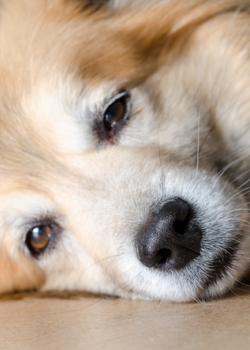
Most pet owners are familiar with the damp, chilly sensation of a dog or cat nudging their hand. This moisture serves several critical functions. First and foremost, a wet nose is a highly efficient scent-trapping machine. When a dog or cat inhales, the thin layer of mucus on the nose helps capture tiny scent particles from the air. This moisture is then pulled into the vomeronasal organ (also known as Jacobson’s organ), which enhances their ability to process complex smells. If you have ever wondered why is my dog’s nose wet, the answer often lies in their instinctual need to lick their snout to keep this olfactory mechanism primed.
Furthermore, pets do not sweat through their skin in the same way humans do. While they primarily regulate temperature through panting and sweating through their paw pads, the evaporation of moisture from the nasal surface also provides a minor cooling effect. In 2024, veterinary researchers highlighted that dogs in warmer climates may exhibit slightly wetter noses as a secondary evaporative cooling strategy, though this remains less efficient than respiratory cooling.
Dispelling the Dry Nose Myth
It is a common sight in veterinary clinics: a worried owner presenting a perfectly healthy dog because its nose feels warm. The truth is that a dry nose does not automatically equate to a fever. There are several benign reasons why a pet’s nose might lose its moisture temporarily:
- Sleep Cycles: When pets sleep, they stop licking their noses. This leads to natural drying. If you check your pet’s nose immediately after they wake up from a nap, it will likely be warm and dry.
- Environmental Factors: Just as our skin dries out in the winter, a pet’s nose can become dry if they are lying near a heater, a fireplace, or in a room with low humidity.
- Dehydration: While a dry nose isn’t always a sign of sickness, it can be an indicator of mild dehydration. If the nose is dry and the gums feel tacky or sticky, it is time to encourage more water intake.
- Age: Senior pets often produce less mucus. It is common for older dogs to develop a crusty or thickened texture on their nose, a condition sometimes referred to as nasal hyperkeratosis.
When to Actually Worry: Red Flags and Discharge
While the moisture level itself isn’t a primary concern, the presence of discharge is a different story. A healthy pet may have a few clear drops of moisture, but persistent running should be monitored. There are top reasons cats get runny noses that range from simple allergies to more complex upper respiratory infections. If you notice any of the following, a veterinary consultation is necessary:
Clear, watery discharge: This is often a sign of seasonal allergies or a mild irritant in the air, such as dust or strong perfumes. Thick, yellow, or green discharge: This usually indicates a bacterial or viral infection, such as kennel cough in dogs or feline calicivirus in cats. Bloody discharge (Epistaxis): This is a serious symptom that could indicate a foreign body lodged in the nasal passage, a fungal infection, or even a tumor.
Cracking and bleeding of the nasal leather (the actual skin of the nose) is another sign that requires attention. Conditions like discoid lupus erythematosus (an autoimmune disease) can cause the nose to lose its pigment and develop painful sores. If your pet’s nose looks like it is “peeling” or has changed color from black to pink suddenly, it is more than just a case of dry skin.
The 2024 Approach to Health Monitoring
If the nose isn’t the best indicator of health, what is? Modern veterinary medicine emphasizes a holistic view of the animal. Instead of focusing on the snout, owners should keep an eye on these three pillars of pet wellness:
1. Appetite and Hydration
A sudden loss of interest in food is one of the most reliable indicators that something is wrong. Conversely, a sudden, insatiable thirst could point to conditions like diabetes or kidney issues. A pet with a dry nose who is eating and drinking normally is likely fine; a pet with a wet nose who refuses food is a priority for a vet visit.
2. Lethargy and Mobility
Monitor your pet’s energy levels. If a normally bouncy Golden Retriever refuses to go for a walk, or a playful kitten is hiding under the bed for hours, these behavioral shifts are far more significant than nasal temperature. Check for warning signs your pet needs a vet, such as difficulty standing or unusual vocalizations when touched.
3. Digestive Consistency
Veterinarians often joke that they spend half their lives talking about poop, and for good reason. Changes in stool consistency, frequency, or the presence of blood or mucus provide a direct window into the pet’s internal health that the nose simply cannot offer.
Case Study: The “Healthy” Cold Nose
Consider the case of a five-year-old Beagle named Cooper. Cooper’s owner was certain he was healthy because his nose was always cold and dripping wet. However, Cooper began exhibiting a slight cough and a decreased appetite. Because the “nose test” passed, the owner delayed a vet visit. It was later discovered that Cooper had a respiratory infection; the wetness was actually excessive discharge, not a sign of vitality. This case illustrates why relying on old myths can sometimes lead to delayed care for treatable conditions.
Expert Verdict
The final word from veterinary professionals is clear: Use the nose as a secondary observation, not a primary diagnostic. A wet nose is great for sniffing out treats, but it doesn’t guarantee a clean bill of health. Likewise, a dry nose is often just a sign that your pet is enjoying a deep sleep or a warm room. If your pet is acting like their usual, happy self, a dry nose is rarely a cause for panic.
Frequently Asked Questions
Is it normal for my dog’s nose to change color?
Yes, some dogs experience “snow nose,” where the nose lightens during winter months and darkens in the summer. However, if the color change is accompanied by crusting, scaling, or sores, it may indicate an autoimmune condition or sun damage.
Can I put moisturizer on my pet’s dry nose?
You should only use products specifically formulated for pets. Many human lotions contain scents or chemicals that can be toxic if licked off. Look for “snout balms” that use pet-safe ingredients like shea butter or coconut oil.
How do I know if my pet actually has a fever?
The only accurate way to determine a fever is with a rectal or ear thermometer. A dog or cat’s normal body temperature is higher than a human’s, typically ranging from 101.0 to 102.5 degrees Fahrenheit.
Why is my cat’s nose wet only when she purrs?
This is often due to increased moisture production from the tear ducts or nasal glands during a state of relaxation. It is perfectly normal and usually a sign of a very happy cat.
Does a wet nose help dogs see?
While it doesn’t help them “see” in the traditional sense, the moisture traps scents so effectively that it provides a “3D olfactory map” of their environment, which is arguably more important to a dog than their vision.
Conclusion
In conclusion, while the state of your pet’s nose is a fascinating aspect of their biology, it is not the definitive health gauge that tradition suggests. By focusing on behavior, appetite, and proper veterinary check-ups, you can ensure your pet remains healthy regardless of whether their snout is damp or dry. Remember, you know your pet better than anyone—trust your observations of their personality and energy over an old wives’ tale.


