Few sights are as profoundly heartbreaking to a devoted pet owner as seeing their own dog cower in fear. It is a visceral, emotional blow when the creature you love most seems terrified of your presence. You might ask yourself, “My dog is scared of me—what did I do wrong?” Often, the answer has nothing to do with your actions and everything to do with the dog’s past, their biological temperament, or a simple misunderstanding of canine communication. In 2024, veterinary behaviorists have noted a rise in reported anxiety cases, partly due to the complex transitions pets have made in post-pandemic households. Understanding how to bridge this gap of trust is not just about training; it is about rebuilding a broken connection. This guide will walk you through identifying subtle cues, understanding the psychology of fear, and implementing professional-grade strategies to help your timid companion find their confidence once again.
The Silent Language: Identifying the Signs of a Fearful Dog
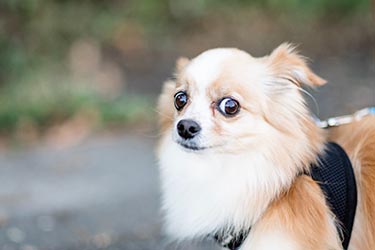
For many owners, the realization that their dog is afraid comes late. We often expect fear to look like growling or hiding under the bed, but canine body language is far more nuanced. While obvious signs like a tucked tail or flattened ears are clear indicators, dogs utilize a wide spectrum of “displacement behaviors” to signal discomfort. If you notice your dog excessively yawning when you approach, licking their lips without the presence of food, or suddenly scratching at a phantom itch, they are likely experiencing a spike in cortisol.
More severe manifestations include “whale eye” (where the whites of the eyes are visible), trembling, and submissive urination. It is vital to recognize these signs your dog is experiencing anxiety before the fear escalates into defensive aggression. Modern studies in animal behavior suggest that ignoring these early warning signs can lead to a “shut down” state, where the dog becomes catatonic or unresponsive, making rehabilitation significantly more difficult. By observing these non-verbal cues, you can adjust your movement and energy to meet your dog’s needs before they reach a breaking point.
Why Is My Dog Afraid? Unpacking the Root Causes
It is rarely a single event that causes a dog to become fearful. Instead, it is often a combination of genetics, lack of early socialization, or specific traumatic triggers. If you have a rescue dog, they may be carrying the weight of “Shelter Dog Syndrome,” where the chaotic environment of a kennel has left them in a state of hyper-vigilance. Even dogs raised in loving homes from puppyhood can develop phobias. Common triggers include:
- Noise Phobias: Fireworks, thunderstorms, and even the high-pitched hum of a vacuum cleaner can create a lasting fear response.
- Socialization Gaps: If a puppy isn’t exposed to various sights, sounds, and people during their critical window (3 to 16 weeks), the world can seem like a terrifying place. This highlights why puppy socialization is the most effective preventative measure against adult fearfulness.
- Negative Associations: A single bad experience—like a painful vet visit or a car accident—can cause a dog to generalize that fear to everything associated with the event.
- Environmental Changes: Moving to a new home or the addition of a new family member can disrupt a timid dog’s sense of security.
The Coddling Trap: Why “Comforting” Can Backfire
When our pets are in distress, our human instinct is to scoop them up, pet them, and offer soothing words. However, in the world of fearful dog training, this can be counter-intuitive. In many cases, intense physical affection during a fear response can unintentionally validate the dog’s state of mind. If you provide a high-value reward (like a hug or a treat) while the dog is actively trembling in fear, the dog may perceive that fear is the behavior you are asking for.
Instead of coddling, focus on being a “calm anchor.” Your dog looks to you for cues on how to react to the environment. If you remain stoic, move slowly, and offer a predictable routine, you provide more comfort than a thousand hugs could. This structured approach is one of the many reasons why dog training is so important; it establishes a clear line of communication that bypasses emotional confusion and focuses on safety and logic.
Practical Strategies for Desensitization and Counter-Conditioning
Healing a fearful dog requires a two-pronged approach: desensitization (gradually exposing the dog to the trigger at a low intensity) and counter-conditioning (changing the dog’s emotional response to that trigger). For example, if your dog is scared of your hands, you might start by simply placing your hand on the floor several feet away and tossing a piece of boiled chicken toward the dog. Over weeks, you move the hand closer, eventually reaching a point where the dog associates the sight of your hand with the best treat they have ever tasted.
Case Study: Max the Fearful Greyhound
In a 2023 case study involving a retired racing Greyhound named Max, the dog would freeze whenever his owner stood up. The owner began a “Look at That” (LAT) protocol. Every time Max looked at the owner moving, he received a click from a training clicker and a treat. By turning the owner’s movement into a game that predicted rewards, Max’s fear was replaced by anticipation. Within four months, Max was initiating play, showing that even deep-seated fears can be unlearned through patience and positive reinforcement.
The Expert Verdict: When to Seek Professional Help
While many owners can make progress at home, there is no shame in admitting when a situation is beyond your expertise. Fear can easily turn into fear-aggression, which poses a safety risk to the household. A certified animal behaviorist or a force-free professional trainer can provide a tailored plan that ensures you aren’t accidentally pushing your dog past their “threshold.” In some cases, veterinary intervention may be necessary; anti-anxiety medications can sometimes lower a dog’s baseline stress enough to allow learning to actually take place. The consensus among experts is clear: never use punishment on a fearful dog. Correcting a dog for growling or hiding will only teach them to suppress their warning signs, potentially leading to a bite without warning.
Frequently Asked Questions (FAQ)
How long does it take for a scared dog to trust you?
There is no set timeline. For some dogs, it takes weeks; for others, it may take years. It depends on the severity of the trauma and the dog’s natural temperament. Consistency is more important than speed.
Should I force my dog to face their fears?
Absolutely not. This is known as “flooding,” and it is widely considered inhumane and dangerous in modern dog training. It can cause permanent psychological damage and lead to aggressive outbursts.
What are the best treats for a fearful dog?
Use “high-value” treats that the dog doesn’t get at any other time. Think small pieces of plain roasted chicken, freeze-dried liver, or even a small lick of peanut butter (ensure it is Xylitol-free). The goal is to create a powerful positive association.
Why does my dog only act scared of men?
Many dogs are wary of men due to their deeper voices, larger stature, and more assertive body language. It doesn’t necessarily mean the dog was abused by a man; it’s often just a matter of the dog find those physical traits more intimidating.
Conclusion
Living with a dog that is scared of you is a test of patience, empathy, and resilience. However, the bond formed when a fearful pet finally chooses to rest their head on your lap is perhaps the most rewarding experience a pet owner can have. By mastering canine body language, avoiding the pitfalls of coddling, and utilizing scientific training methods, you can help your dog navigate a world that once seemed overwhelming. Remember that progress is rarely a straight line; there will be setbacks, but with every calm moment and every wagging tail, you are proving to your dog that they are finally safe.


