As pet parents, we often think of our animals as open books. We know their favorite treats, their preferred sleeping spots, and exactly which ear-scratching technique produces a contented purr or a wagging tail. However, there is one area where our furry friends are remarkably secretive: their pain. In my years of working with both exotic and domestic animals, I have seen time and again how masters of disguise our companions can be. Unlike humans, who might complain about a lingering backache or a sore knee, animals have an evolutionary drive to mask their vulnerability. In the wild, showing weakness is an invitation to predators, and that deep-seated instinct persists even in our pampered domestic pets.
Recognizing the subtle shifts in our pets’ behavior isn’t just about being an observant owner; it is about providing a voice for those who cannot speak. Whether you are living with a senior cat or a high-energy dog, understanding the quiet signals of chronic or acute pain is crucial for their long-term health and happiness. By the time an animal is crying out or limping significantly, they have likely been in discomfort for quite some time. Our goal is to catch these signs early, ensuring they receive the veterinary care and environmental support they need to thrive.
The Biological Root of Silence: Why Pets Hide Pain
To truly understand why our pets are so stoic, we have to look back at their ancestry. In a natural ecosystem, a sick or injured animal is a liability to the pack or a target for a predator. Cats, in particular, are both predators and prey, which makes them doubly inclined to hide any sign of physical compromise. Dogs, while highly social and communicative, still possess a hardcoded drive to maintain their status and functionality within their family unit. This stoicism is a survival mechanism, but in a domestic setting, it creates a barrier between the pet and the care they desperately need.
When pain becomes chronic—such as the gradual onset of osteoarthritis—the changes are often so slow that owners attribute them to “just getting old.” It is important to remember that age is not a disease, and while slowing down is natural, suffering is not. Identifying these hidden signals your pet’s health may be changing is the first step in a proactive health journey. We must move away from waiting for “obvious” signs and start looking for the nuanced deviations from their normal routine.
The Stoic Feline: Identifying Pain in Cats
Cats are perhaps the most challenging patients when it comes to pain assessment. They are masters of subtlety. A cat in pain won’t usually howl or whine; instead, they will simply withdraw. One of the most common indicators of chronic pain in cats is a change in their vertical movement. If your cat used to leap effortlessly onto the highest shelf but now prefers the footstool, or if they hesitate before jumping down, they are likely experiencing joint discomfort or spinal pain.
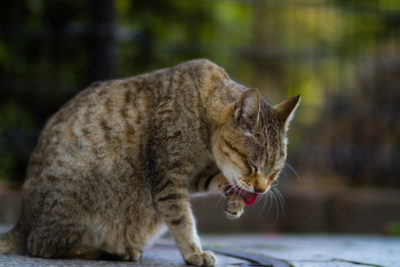
Mobility isn’t the only clue. Pay close attention to their grooming habits. A cat in pain may stop grooming certain areas because it hurts to twist and reach them, leading to matted fur or a generally unkempt appearance. Conversely, they might obsessively lick or bite a specific joint, essentially trying to “soothe” the localized pain. Litter box habits are another red flag. If a cat has arthritis, climbing over the high rim of a traditional litter box can be agonizing, leading to accidents just outside the box. Implementing specific strategies for supporting cat wellness often involves evaluating these physical barriers and making the environment more accessible.
Behavioral Cues and Facial Expressions
Have you ever noticed your cat staring blankly at a wall, or perhaps their ears are slightly tilted outward more often than usual? Research into “feline grimace scales” has shown that specific facial tensions—tightened muzzles, narrowed eyes, and flattened ears—are direct indicators of internal distress. Additionally, a cat that suddenly becomes more vocal or, conversely, one that stops greeting you at the door, is communicating through behavior. A reluctance to be petted, especially near the lower back or hips, is a classic sign of feline hyperesthesia or arthritis.
The Restless Canine: Spotting Discomfort in Dogs
Dogs tend to be slightly more expressive than cats, but they are equally prone to “powering through” pain to please their owners. A dog may still chase a ball despite having hip dysplasia because the adrenaline of the game masks the ache. It is only afterward, when they are resting, that the signs become clear. Watch for restlessness at night; a dog that circles repeatedly or struggles to find a comfortable lying position is often dealing with chronic inflammation.
Limping is an obvious sign, but we should also look for a “stiff” gait or a reluctance to navigate slippery floors. Many dogs with joint pain become fearful of hardwood or tile because they lack the stability to stay upright, leading to anxiety. Dr. Daniel Eckman of Texas A&M notes that changes in jumping ability—like refusing to get into the car or onto the bed—are hallmark indicators of skeletal pain. Furthermore, a dog that was previously social but now growls when a child approaches may not be “turning mean”; they may simply be terrified of being bumped or touched in a painful spot.
Physical Manifestations of Pain
- Panting: Heavy breathing when it isn’t hot and the dog hasn’t exercised is a high-level indicator of distress.
- Trembling: Localized or full-body shaking can signal acute pain or muscle weakness.
- Eye Changes: “Whale eye” (showing the whites of the eyes) or a glazed look can indicate the dog is focusing internally on their discomfort.
- Appetite Shifts: While some dogs eat through anything, many will leave food behind if it hurts to bend down to their bowl.
Beyond Cats and Dogs: Pain in Exotic Pets
As someone who keeps exotic animals, I cannot stress enough how vital observation is for small mammals, birds, and reptiles. For a guinea pig or a rabbit, even a single day of not eating due to mouth pain or GI stasis can be fatal. These animals have an even higher “prey drive” to hide illness. A rabbit that is grinding its teeth loudly (different from the soft “purring” click) is likely in significant pain. In reptiles, signs are even more cryptic, often manifesting as a complete refusal to move from the cool side of the enclosure or a sudden change in skin color and shedding patterns.
Environmental Adjustments to Support a Painful Pet
Once you and your veterinarian have identified the source of the pain, the next step is management. Medication is often necessary, but environmental changes are equally powerful. For older pets, we must look at their world through their eyes. Are the food bowls too low? Is the bed supportive enough? There are many help pets stay mobile and comfortable as they age, such as adding orthopedic foam beds, installing ramps for the couch, or placing non-slip rugs over hardwood floors to prevent painful slips.
For cats, consider low-entry litter boxes and ensures their favorite resting spots are accessible without high-impact jumping. For dogs, consistent, low-impact exercise like swimming or controlled walking helps maintain muscle mass, which in turn supports the joints. The goal is to minimize the “peaks” of pain caused by sudden movements while maximizing their ability to engage with their family.
People Also Ask: Common Questions About Pet Pain
Can I give my dog or cat human aspirin?
Absolutely not. Many human pain relievers, including ibuprofen and acetaminophen, are highly toxic to pets and can cause liver failure, kidney damage, or fatal stomach ulcers. Always consult your vet for pet-specific NSAIDs.
How do I know if my pet’s pain is an emergency?
If your pet is unable to walk, is crying out uncontrollably, has labored breathing, or is experiencing a sudden onset of aggression, these are medical emergencies. Immediate veterinary intervention is required.
Does a wagging tail mean my dog isn’t in pain?
Not necessarily. Dogs wag their tails for many reasons, including submission and excitement. A dog may wag its tail while greeting you even if its hips are aching severely. Always look at the whole body, not just the tail.
Expert Verdict
Pain management in the veterinary world has come a long way. We no longer accept that an animal should just “live with it” because they are old. From laser therapy and acupuncture to advanced biologics and specialized diets, the options for improving a pet’s quality of life are vast. However, the most sophisticated medical treatment in the world is useless if the owner doesn’t realize the pet is hurting. Your role as the primary observer is the most important link in the chain of care. Trust your gut; if you feel like your pet is “just not themselves,” you are probably right.
Conclusion: Actionable Steps for Owners
In summary, detecting pain in pets requires a mixture of empathy and detective work. Keep a log of your pet’s daily habits. If you notice a gradual decline in their activity or a shift in their personality, don’t wait for a limp to appear. Schedule a dedicated “senior wellness” or “mobility exam” with your veterinarian. During this visit, bring videos of your pet moving at home, as animals often mask their pain in the stressful environment of a clinic. By being proactive, observing the subtle signals, and modifying their environment, you can ensure your beloved companion lives a life defined by comfort and joy rather than silent suffering.


