As someone who has shared a home with everything from vocal Conures to gentle Cockatiels, I know firsthand the joy a feathered friend brings to a household. Their vibrant colors, quirky personalities, and uncanny intelligence make them more than just pets; they are family members. However, in my years of experience within the exotic pet community, I have also seen a heartbreaking reality: many birds suffer in silence due to improper nutrition. It is a common misconception that a simple bag of grocery-store birdseed provides everything a bird needs to thrive. In reality, relying solely on seeds is often the catalyst for nutritional disease—a silent killer that affects thousands of avian companions every year.
Understanding the intricacies of avian biology is the first step in taking proper care of your pet in every way. We often assume that because a bird eats with gusto, they are healthy. But birds are masters of disguising illness—a survival instinct from the wild. By the time a bird looks “sick,” the underlying nutritional deficiencies have often been present for months or even years. Today, we are going to dive deep into what nutritional disease actually looks like, how to spot the warning signs, and most importantly, how to build a diet that ensures your bird lives a long, vibrant life.
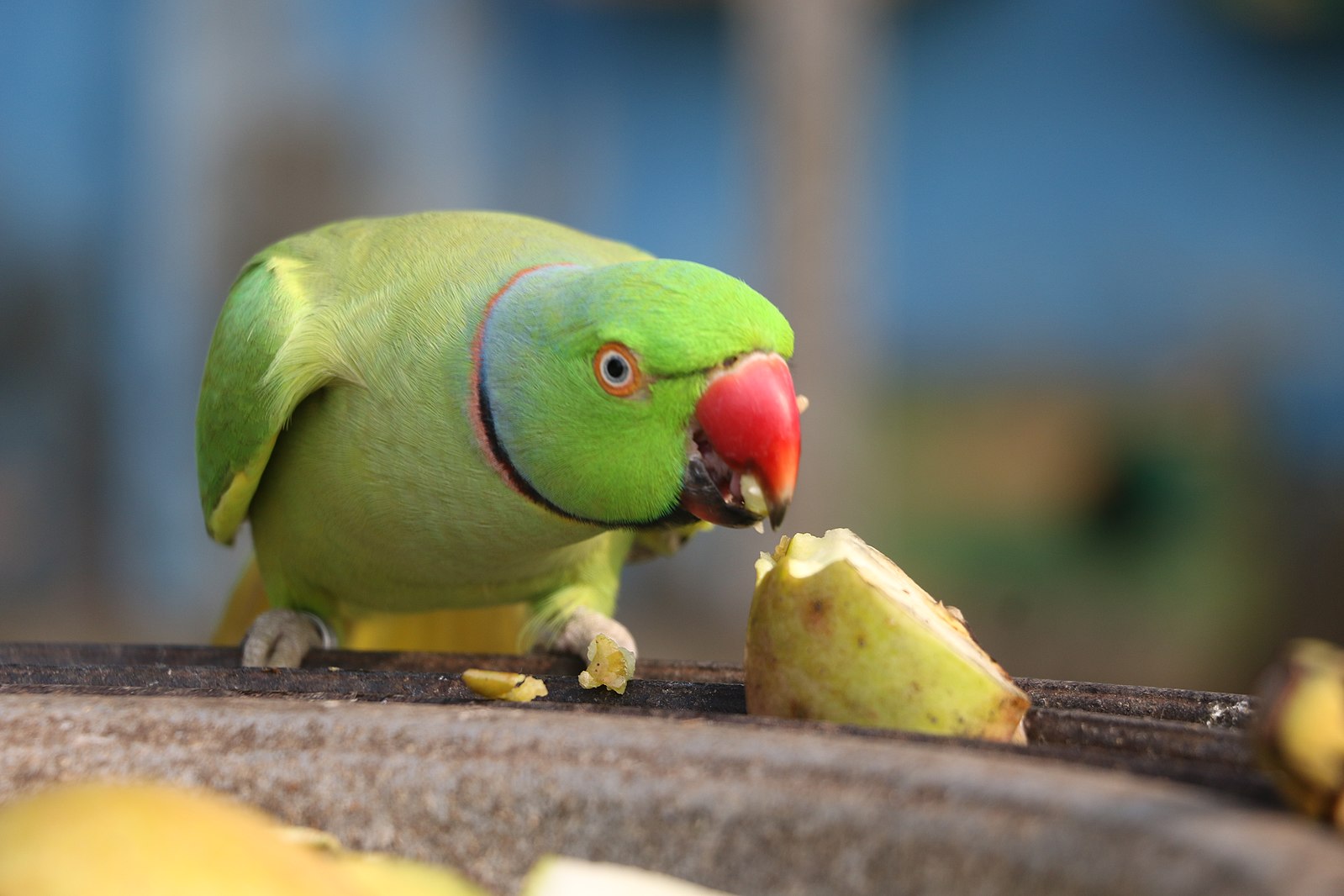
The Hidden Crisis of Malnutrition in Avian Pets
Nutritional disease is a broad term that describes any condition resulting from an imbalance of nutrients. In the world of pet birds, this usually means a deficiency in vital vitamins and minerals, but it can also manifest as over-nutrition, leading to obesity and chronic organ failure. According to experts like Dr. Jill Heatley from the Texas A&M College of Veterinary Medicine & Biomedical Sciences, the primary culprit is almost always a lack of dietary variety.
In the wild, a parrot might forage for hundreds of different types of seeds, nuts, fruits, flowers, and even the occasional insect. When we confine that complex biological need to a plastic bag of sunflower seeds and millet, we are setting them up for failure. Seeds are incredibly high in fat and dangerously low in Vitamin A, calcium, and essential amino acids. Chronic seed consumption leads to “fatty liver disease” (Hepatic Lipidosis), which is one of the leading causes of premature death in captive parrots.
Recognizing the Subtle Signs of Nutritional Disease
Because birds are prey animals, they do not show weakness until they are physically unable to hide it anymore. This means bird owners must become experts at spotting the hidden signals your pet’s health may be changing. If you wait for your bird to sit fluffed up at the bottom of the cage, the disease is likely advanced. Instead, look for these early indicators:
Feather Quality and Skin Health
A healthy bird should have sleek, vibrant feathers that repel water. If your bird’s feathers appear dull, frayed, or have “stress bars” (horizontal translucent lines across the feather), this is a major red flag. Nutritional deficiencies often lead to poor molting cycles. Some birds may only molt once or twice a year, so if their diet is poor, it may take months for improved nutrition to show up in their plumage. Additionally, look for flaky, scurfy skin on the legs or thinning skin on the bottom of the feet (bumblefoot), which often points to a lack of Vitamin A.
Physical Markers and Beak Overgrowth
Nutritional disease can also affect the beak and nails. If your bird’s beak is growing excessively fast or appearing flaky and layered, it could be a sign of liver issues stemming from a high-fat diet. You might also notice yellow or white plaques inside the mouth (known as Vitamin A plaques) or inflammation around the eyes and ears. These are painful conditions that can lead to secondary respiratory infections.
The Weight Dilemma: Obesity and Cardiovascular Health
Just like humans, birds can suffer from the consequences of a sedentary lifestyle and a high-calorie diet. Obesity in birds is a serious concern, particularly for species like Amazon parrots, Rose-breasted Cockatoos, and Budgies. Excess fat deposits can put immense pressure on the heart and lungs, leading to atherosclerosis—the hardening of the arteries. Managing and keeping your bird at a healthy weight is crucial for longevity. A bird that is too heavy will be lethargic, have difficulty flying, and may even develop pressure sores on their feet from carrying the extra load.
Building the Ultimate Avian Diet: Beyond the Seed
So, what should your bird actually be eating? The consensus among avian veterinarians is that a high-quality pelleted diet should form the foundation of most pet bird nutrition (roughly 60-80% of the total intake). Unlike seeds, pellets are formulated to be nutritionally complete, ensuring the bird cannot “pick out” their favorite fatty bits while leaving the vitamins behind.
The Role of Fresh Produce
While pellets are the backbone, fresh vegetables provide essential phytonutrients and mental stimulation. Dark leafy greens (kale, dandelion greens, Swiss chard) are excellent sources of Vitamin A. Orange vegetables like sweet potatoes and carrots are also vital. Fruits should be offered in moderation due to their high sugar content—think of them as a healthy dessert rather than a staple meal.
Dangerous Foods to Avoid
In our quest to provide variety, we must be careful. Some common human foods are highly toxic to birds. Never feed your bird chocolate, avocado, caffeine, alcohol, or fruit pits/apple seeds. Onions and garlic should also be avoided as they can cause anemia in certain species. Always stick to “bird-safe” produce lists and wash everything thoroughly to remove pesticides.
The Challenge of Transitioning a “Seed Junkie”
If you have a bird that has eaten seeds its entire life, they will likely look at a bowl of pellets as if they are pebbles from the moon. Transitioning a bird to a healthy diet requires patience and a bit of “tough love.” You can try mixing pellets with their favorite seeds, gradually decreasing the seed ratio over several weeks. Moistening the pellets or pretending to eat them yourself (birds are social eaters!) can also pique their interest. Never starve a bird into eating pellets; always ensure they are actually consuming the new food by monitoring their droppings and weight.
People Also Ask (FAQs)
Can birds survive on just seeds?
While a bird can survive on seeds for several years, they will not thrive. A seed-only diet is effectively a “slow-motion” starvation of essential nutrients like Vitamin A and Calcium, leading to a shortened lifespan and chronic illness.
How do I know if my bird is obese?
You can check your bird’s body condition by gently feeling the “keel bone” (the bone running down the center of the chest). In a healthy bird, you should feel the bone with a slight layer of muscle on either side. If the bone is buried under fat, the bird is obese; if the bone is sharp and prominent, the bird is underweight.
Does my bird need a cuttlebone?
Cuttlebones are excellent sources of calcium, especially for egg-laying females. However, they do not provide a complete spectrum of vitamins. They should be a supplement to a balanced diet, not a replacement for it.
How often should my bird see a vet?
An annual wellness exam with an avian specialist is highly recommended. Vets can perform bloodwork to check liver enzymes and nutrient levels, catching nutritional disease long before physical symptoms appear.
Expert Verdict: The Path to Avian Longevity
As a long-time enthusiast, my final word of advice is this: diet is the single most important factor within your control as a bird owner. While genetics and environment play a role, what goes into that food bowl every morning determines whether your bird will live for 10 years or 50 years. Nutritional disease is largely preventable. It takes effort to chop fresh vegetables and patience to transition a stubborn parrot to pellets, but the reward is a companion who is vibrant, vocal, and healthy for decades to come.
If you suspect your bird is already showing signs of hidden signals your pet’s health may be changing, do not wait. Consult an avian veterinarian immediately. Early intervention can reverse many nutritional diseases, but once permanent organ damage occurs, the road to recovery becomes much harder. Let’s commit to giving our feathered friends the nutrition they deserve, ensuring they remain “happy as a lark” for years to come.


