For decades, a persistent myth has circulated among pet owners: the idea that cats are untrainable, aloof, and entirely independent creatures that refuse to take direction. However, modern feline behavioral science in 2024 tells a much more vibrant story. Training your cat is not only possible but is also a vital component of their mental and physical well-being. By engaging in trick training, such as teaching the “sit up” command, you are providing essential cognitive stimulation that mimics the problem-solving skills they would use in the wild. This process deepens the bond between you and your feline companion, turning a simple house pet into an interactive partner. While many owners start with the basic “sit,” moving to the “sit up” position—often called the ‘beg’ in the canine world—challenges their balance and builds core strength. It is an impressive feat of athleticism and focus that any healthy cat can master with patience.
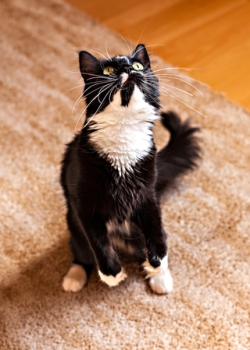
The Science of Feline Learning: Why Training Matters in 2024
As we move further into the decade, data from the American Pet Products Association (APPA) suggests that nearly 45% of cat owners are now actively seeking out interactive toys and training tools to combat indoor boredom. Feline enrichment is no longer a luxury; it is a necessity for preventing behavioral issues such as obsessive grooming or furniture destruction. When you properly train animals, you are utilizing positive reinforcement to create a common language. For cats, the “sit up” command is particularly beneficial. It requires the cat to shift their weight to their hindquarters, engaging their abdominal muscles and improving their overall proprioception. Beyond the physical, the mental effort required to understand a vocal cue and physical lure helps keep senior cats sharp and energetic kittens focused.
Preparation: Setting the Stage for Success
Before you dive into the three steps, you must ensure your environment and tools are optimized. Unlike dogs, who may work for praise alone, cats are generally motivated by high-value rewards. Expert behaviorists suggest using small, smelly treats that can be consumed in less than three seconds to keep the momentum of the session high. Many owners find success using freeze-dried cat treats because they are nutrient-dense and highly enticing. Additionally, timing is everything. A cat that has just finished a heavy meal will likely ignore your training attempts. Aim for a window of time right before their scheduled dinner when their natural hunting instincts are heightened and they are most motivated by food.
Step 1: The Initial Lure and Vocal Cue
The foundation of the “sit up” trick is a solid “sit.” Ensure your cat is already comfortable sitting on command before progressing. Once your cat is in a seated position—whether on a stable floor or a steady chair—hold a treat approximately one inch above their nose. Slowly move the treat upward while clearly stating the cue, “Sit up.” The goal is to draw their nose toward the sky. If your cat attempts to swat the treat with their paw or stands up entirely on their hind legs to grab your hand, do not release the reward. This is a crucial moment for boundary setting. Simply pull the treat away, wait for them to reset into a sitting position, and try again. You are looking for a controlled movement, not a frantic grab.
Step 2: Identifying the Weight Shift
As you repeat the upward motion with the treat, pay close attention to your cat’s center of gravity. You are looking for the exact moment their front paws leave the ground and their weight settles firmly onto their haunches. This is the “sit up.” The moment their front paws are airborne and their back is straight, use a “bridge” word like “Yes!” or a clicker, and immediately deliver the reward. Immediate reinforcement is the key to feline training. Because cats have a short associative memory window (often less than two seconds), delaying the reward will confuse them about which behavior is being praised. If they only lift one paw, reward that small progress initially—this is known as “shaping” the behavior.
Step 3: Repetition and Session Duration
Consistency is the secret to long-term retention. However, cat training sessions must be kept short to avoid burnout. A five-minute session once or twice a day is significantly more effective than a thirty-minute marathon once a week. Repeat the cue-behavior-reward sequence five to ten times per session. You will know the behavior is becoming “set” when the cat begins to offer the sit-up position as soon as they see the treat or hear the verbal cue. Understanding the art of cat communication is vital here; if your cat begins to groom themselves excessively, looks away, or walks out of the room, they are signaling that their cognitive threshold has been reached. Respect their boundaries and end the session on a positive note.
Expert Review: The Veterinary Perspective
Dr. Elizabeth Sterling, a specialist in feline biomechanics, notes that the “sit up” command is more than just a cute party trick. “When a cat sits up, they are demonstrating high-level muscular control. For indoor cats who may lead sedentary lives, this movement helps maintain joint flexibility and spinal health,” she explains. Experts agree that the most successful trainers are those who remain calm. Cats are highly sensitive to human frustration; if you become tense, your cat will likely associate the training session with stress rather than fun. Keep your tone light, your movements predictable, and always end with a jackpot—a few extra treats or a favorite scratching session—to solidify the positive experience.
Frequently Asked Questions (FAQ)
How long does it take for a cat to learn to sit up?
While every cat is an individual, most kittens and food-motivated adults can grasp the basic concept within 7 to 10 days of consistent, daily five-minute sessions. Mastery, where the cat performs the trick without a food lure, may take 3 to 4 weeks.
Can I teach an older cat this trick?
Absolutely! The adage “you can’t teach an old dog new tricks” doesn’t apply to cats. In fact, training senior cats is highly recommended by veterinarians to help prevent cognitive decline. Just ensure your senior cat doesn’t have arthritis that makes the weight shift painful.
What if my cat refuses to look at the treat?
This usually means the treat isn’t high-value enough or the cat isn’t hungry. Try using a small piece of plain, boiled chicken or tuna. If they still aren’t interested, try the session at a different time of day, ideally right before their main meal.
Is it okay to use a clicker for cat training?
Yes, clicker training is highly effective for cats. The distinct sound of the clicker provides a precise “mark” that tells the cat exactly what they did right, which can speed up the learning process significantly compared to voice cues alone.
Conclusion: The Reward of a Well-Trained Cat
Teaching your cat to sit up is a journey that offers rewards far beyond the trick itself. It transforms the dynamic of your household, fostering a sense of mutual respect and understanding. By following these three steps—using the right lure, marking the weight shift, and keeping sessions brief—you are investing in your cat’s long-term happiness. Remember that patience is your greatest tool. Some days your cat will be a star pupil, and other days they will be more interested in a sunbeam. Celebrate the small victories, stay consistent, and enjoy the process of watching your feline friend grow in confidence and skill. Happy training!


