If you have ever shared your home with a cat, you are likely aware that these creatures are far more expressive than their aloof reputation suggests. Interestingly, statistics show that feline companionship is on the rise; in cat-owning households, the average number of cats is approximately 1.8, suggesting that many families find one feline friend simply isn’t enough. However, unlike dogs, who often wear their hearts on their sleeves with frantic tail wags and boisterous barks, cats possess a more nuanced, refined system of communication. To the untrained eye, a cat might seem mysterious or even unpredictable. Yet, once you learn to decode their complex array of signals, you will realize your feline companion has been engaging in a sophisticated dialogue with you all along.
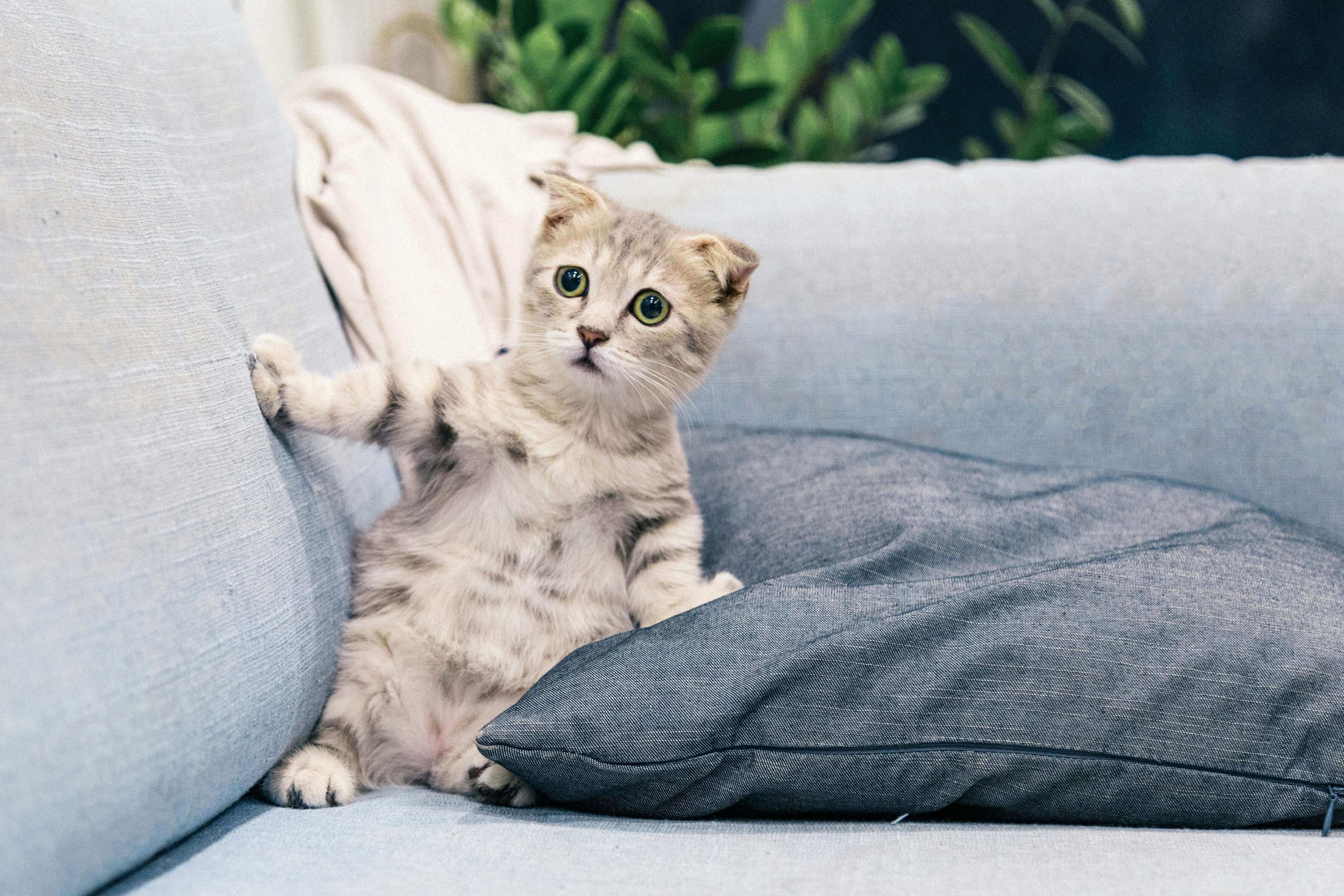
The Evolution of the Meow: A Human-Centric Language
One of the most fascinating aspects of cat behavior is that adult cats rarely meow at each other. In the wild or in feral colonies, vocalizations between adults are typically limited to hisses, growls, or yowls during confrontations. The high-pitched “meow” we know so well is actually a behavior cats developed specifically to communicate with humans. It is an evolutionary adaptation that mimics the frequency of a human infant’s cry, triggering a nurturing response in our brains. Recent studies in 2024 using AI-driven vocal analysis have shown that cats actually have distinct “vocabularies” for their specific owners, creating a unique dialect within the home.
However, it is vital to remember that not all meows are created equal. A short, high-pitched chirrup is often a friendly greeting, while a long, drawn-out meow may indicate a demand for food or attention. If you notice a sudden, drastic change in your cat’s vocal habits—such as a quiet cat suddenly becoming vocal or a talkative cat falling silent—it could be a primary indicator of underlying illness or cognitive dysfunction. Always consult a veterinarian if these shifts occur suddenly.
Decoding the Silent Language: Tail Positions and Moods
While vocalizations are for our benefit, a cat’s true feelings are often written in their tail. The tail acts as a barometer for a cat’s emotional state. By understanding these positions, you can anticipate their next move and respect their boundaries. Experts in feline ethology categorize tail movements into several key signals:
- The Question Mark (Upright with a Hook): This is the gold standard of feline greetings. It signifies that your cat is feeling playful, confident, and approachable. It is an invitation for interaction.
- The Puffed Bottle Brush: When a cat’s tail doubles in size, it is a sign of intense fear or agitation. The cat is trying to look larger to ward off a perceived threat. In this state, it is best to give them space.
- The Low Tuck: A tail tucked between the legs or wrapped tightly around the body indicates submission or significant anxiety.
- The Twitching Tip: Unlike a dog’s happy wag, a cat’s twitching tail tip usually signals growing irritation or intense focus (like when they are stalking prey). If you are petting a cat and notice the tail start to thrum or twitch, it is time to stop.
The Window to the Soul: Eyes and Ears
To truly understand your cat’s life and improve their well-being, you must pay attention to the subtle movements of their face. A cat’s eyes and ears provide real-time updates on their nervous system. In 2024, behaviorists have emphasized the importance of “The Feline Kiss,” or the slow blink. When a cat looks at you and slowly closes and opens their eyes, they are demonstrating a high level of trust. By mimicking this slow blink back to them, you are effectively telling them in their own language that you are not a threat and that you care for them.
Ear positioning is equally telling. Forward-facing ears generally mean the cat is interested or content. Ears that are swiveling like radar dishes indicate they are monitoring their environment. However, “airplane ears” (ears flattened sideways) or ears pinned back against the skull are clear warning signs of aggression or extreme fear. A cat in this state is likely to lash out if provoked.
Posture and the Art of the ‘Belly Trap’
A cat’s physical posture speaks volumes about their comfort level within their territory. We often see cats rolling onto their backs, exposing their soft underbellies. While this is a profound sign of trust—showing that they feel safe enough to expose their most vulnerable organs—it is frequently misinterpreted by humans as an invitation for a belly rub. For many cats, this is actually a “look but don’t touch” situation. Touching the belly often triggers a predatory reflex, resulting in the infamous “bunny kick” or a quick nip.
Instead, look for the allorubbing behavior. When a cat rubs their cheeks or the side of their body against your legs, they are marking you with their scent glands. In the feline world, this is a way of creating a “group scent,” essentially claiming you as part of their family. This is one of the highest compliments a cat can pay to a human.
Expert Review: The 2024 Verdict on Feline Social Intelligence
Recent research published in journals of veterinary behavior suggests that cats are far more socially intelligent than previously thought. They are capable of “social referencing,” meaning they look to their owners for cues on how to react to new or scary situations. The verdict from experts is clear: the bond between a cat and a human is not one of master and pet, but rather a partnership based on mutual respect and understood boundaries. By learning their language, you are not just “managing” a pet; you are fostering a sophisticated emotional connection that reduces stress for both species.
Frequently Asked Questions (FAQ)
Q: Why does my cat chatter at birds through the window?
A: This is known as chirping or chattering. It is often a combination of excitement and predatory frustration. Some experts believe it mimics the killing bite of a feline, showing their instinctual drive to hunt.
Q: Is a purring cat always a happy cat?
A: Not necessarily. While cats purr when content, they also purr when they are in pain or under extreme stress as a self-soothing mechanism. The frequency of a purr has been shown to aid in bone and tissue healing.
Q: Why does my cat headbutt me?
A: This is called “bunting.” By bumping their head against you, they are releasing pheromones from glands on their forehead to mark you as a safe and trusted companion.
Q: What does it mean when my cat suddenly gets the ‘zoomies’?
A: Often occurring after a nap or a litter box visit, the zoomies (or Frenetic Random Activity Periods) are a way for cats to expend pent-up energy and practice their hunting maneuvers.
Conclusion
Understanding cat communication is a journey of patience and observation. By paying attention to the subtle flick of a tail, the widening of a pupil, or the specific pitch of a meow, you can transform your relationship with your pet. Cats may seem mysterious at first glance, but they are constantly speaking to us through a rich tapestry of movement and sound. Once you begin to speak their language, you unlock a deeper level of companionship that ensures a happy, well-understood, and harmonious home for your feline family members.


