Bringing a new puppy into your home is a whirlwind of joy, sharp teeth, and boundless energy. For the active pet owner, nothing is more exciting than the prospect of taking that first trek into the wilderness with your four-legged companion. However, the transition from backyard play to rugged trail terrain is a significant milestone that requires meticulous preparation. In 2024, as more pet owners flock to national parks and local preserves, the demand for trail safety knowledge has never been higher. Hiking with a puppy isn’t just a walk in the woods; it is a developmental challenge that tests their physical limits, their social manners, and your patience as a handler. By understanding the physiological and behavioral needs of your young dog, you can turn a potentially stressful outing into a lifetime of outdoor adventure.
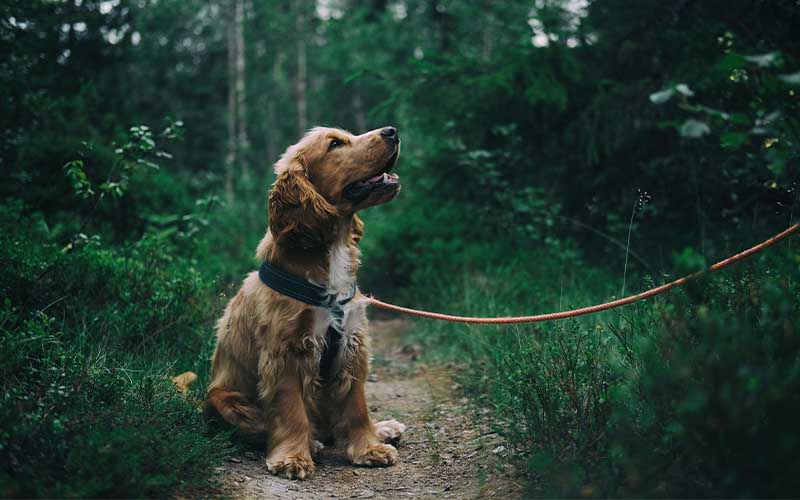
1. The Gold Standard: Assessing Age and Physical Maturity
One of the most common mistakes new owners make is hitting the trails too early. While your puppy might seem like a bundle of energy, their skeletal system is still in a delicate state of flux. Veterinarians generally advise waiting until a puppy is at least six months old before attempting a formal hike, and even then, the intensity must be low. The primary concern is the growth plates—the areas of developing cartilage at the ends of a puppy’s bones. Impact from rough terrain or long-distance exertion can cause permanent damage, leading to lifelong orthopedic issues. For larger breeds, which take longer to mature, you might need to wait until they are 12 to 18 months old before tackling significant elevation gains.
Before you commit to a mountain trail, start with small, controlled environments. Short 15-minute walks in the park help your puppy get used to different textures underfoot. As part of your preparation, consider following a yearly pet care routine guide for 2024 to ensure your puppy’s physical milestones are being met during their regular check-ups. This ensures that their joints are developing correctly before you add the stress of uneven trails.
2. Mastering Trail Manners and Socialization
A hiking trail is a sensory overload for a puppy. Between the smell of squirrels, the sound of rushing water, and the sight of other hikers, your puppy’s focus will be pulled in a dozen directions. High-level socialization is critical. Your puppy needs to remain calm when passing other dogs and should never be allowed to rush toward strangers. In 2024, trail etiquette dictates that hikers with dogs yield to others, and keeping your puppy under control is a sign of a responsible owner.
Focus on foundational commands like “sit,” “stay,” and the high-value “leave it.” The “leave it” command is a literal lifesaver if your puppy finds a toxic mushroom or a piece of discarded trash on the trail. To prepare for these interactions, it is highly recommended to study the ultimate 2024 guide to puppy socialization to learn how to manage overstimulation in public spaces. A well-socialized puppy is a safe puppy.
3. Vaccinations and Parasite Protection
The great outdoors is home to more than just scenic views; it’s a breeding ground for parasites and viruses. Before setting foot on a trail, your puppy must have completed their full series of core vaccinations, including Distemper, Parvovirus, and Rabies. Additionally, many hiking trails are hotspots for ticks that carry Lyme disease or mosquitoes that transmit heartworm. Leptospirosis, a bacterial infection often found in standing water or soil contaminated by wildlife urine, is another major concern for hikers.
Consult your veterinarian about the best flea, tick, and heartworm preventatives for your specific region. Recent data from 2023-2024 shows a northward expansion of tick-borne illnesses due to warming climates, making year-round protection more important than ever. Never allow your puppy to drink from stagnant ponds or puddles, as these are primary sources of Giardia and other water-borne pathogens.
4. Essential Gear for the Trail-Ready Pup
Preparation is the difference between a great memory and an emergency. Your puppy’s gear should be lightweight, durable, and comfortable. Use a well-fitted H-style harness rather than a collar to prevent neck strain if the puppy lunges at a squirrel. A fixed-length leash (6 feet) is mandatory; retractable leashes are dangerous on trails as they can get tangled in brush or fail when you need to pull your dog away from a hazard.
Key items for your backpack include:
- Hydration: At least 1 liter of fresh water specifically for the dog, and a collapsible silicone bowl.
- Paw Protection: Puppies have soft pads. Rough granite or hot asphalt can cause burns and tears. Learning about paw care for uneven terrain will help you decide if booties are necessary for your route.
- First Aid Kit: Include vet-wrap, antiseptic wipes, and tweezers for tick removal.
- Identification: A GPS collar or a tag with your current phone number is essential.
5. Choosing the Right Route
Not all trails are puppy-friendly. For the first few outings, look for trails labeled as “easy” with minimal elevation gain. Avoid routes that involve rock scrambling or steep ledges, which can be terrifying and physically dangerous for a young dog. Aim for paths that offer plenty of shade and access to clean air. Remember the “5-minute rule”: a common guideline is 5 minutes of exercise per month of age, twice a day. For a 4-month-old puppy, that is only 20 minutes of active walking. On a hike, the energy expenditure is higher due to the terrain, so plan for frequent rest breaks.
Expert Review and Verdict
Expert canine behaviorists and veterinarians agree that the puppy phase is for exposure, not exertion. The consensus for 2024 is that modern pet owners often over-exercise their dogs, leading to early-onset arthritis. The verdict? Focus on the mental aspect of the hike. Let your puppy sniff, explore, and observe the world at a slow pace. If they sit down and refuse to move, they aren’t being stubborn—they are tired. Be prepared to carry your puppy if the trail proves too long. A successful first hike is measured not by miles covered, but by the puppy returning home happy, healthy, and ready for a nap.
Frequently Asked Questions (FAQ)
How do I know if my puppy is too tired to continue?
Signs of fatigue include excessive panting, lagging behind on the leash, sitting or lying down frequently, and a lack of interest in treats. If you see these signs, stop immediately, provide water, and head back at a very slow pace or carry them.
What should I do if we encounter a wild animal?
Keep your puppy close and remain calm. Most wildlife will avoid you if you make noise. Do not let your puppy bark or chase the animal, as this can trigger a predatory response or lead to your puppy getting lost in the brush.
Is it okay to let my puppy off-leash in designated areas?
For a first hike, no. Even in off-leash areas, a puppy’s recall is rarely 100% reliable under the high distraction of a forest environment. Keep them on a leash to ensure they don’t ingest something toxic or get injured by another dog.
How do I protect my puppy from heatstroke?
Avoid hiking when temperatures exceed 75-80°F (24-27°C). Puppies cannot regulate their body temperature as efficiently as adult dogs. Stick to early morning or late evening treks and always check the ground temperature with your hand; if it’s too hot for your palm, it’s too hot for their paws.
Conclusion
Preparing for your puppy’s first hike is an investment in their future as a trail companion. By prioritizing growth plate safety, ensuring they are fully vaccinated, and packing the right gear, you mitigate the risks that come with the wild. Remember that the trail is a classroom where your puppy learns how to interact with the world. Keep the distances short, the rewards frequent, and the focus on fun. With patience and preparation, you aren’t just taking a walk; you are building a bond that will last for years of summits and sunrises to come.


