There is something inherently magical about the way a flock of birds moves as one, a shimmering ribbon of feathers turning in unison against a clear blue sky. As a long-time exotic pet enthusiast, I’ve spent countless hours observing this dynamic not just in the wild, but within the walls of my own home. Whether it’s the quiet murmuring of a pair of finches or the boisterous, often dramatic interactions of a group of conures, understanding bird social behavior is about more than just keeping them company—it is about honoring their very nature. Birds are among the most socially complex creatures on the planet, and when we bring them into our lives, we become part of their flock. However, managing these relationships requires a blend of science, patience, and a deep well of empathy.
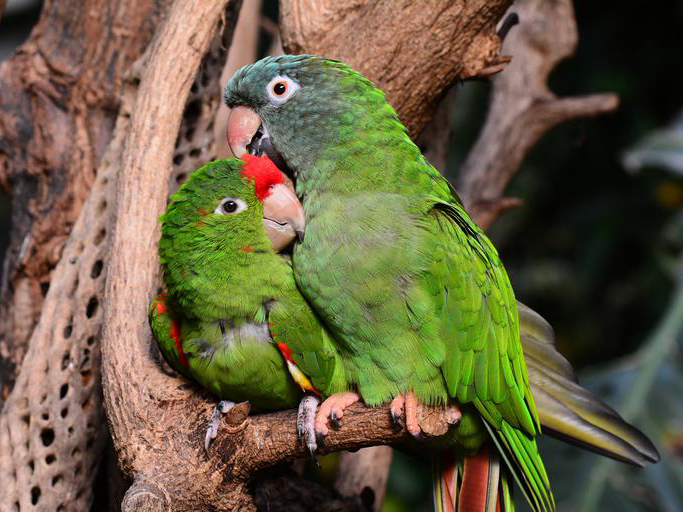
The Biological Imperative: Why Birds Are Flock Animals
In the wild, a solitary bird is a vulnerable bird. For species like parrots, chickens, canaries, and pigeons, the flock is a survival mechanism. It provides more eyes to watch for predators, more brains to locate food sources, and a social structure that supports everything from grooming to raising young. As Dr. Sharman Hoppes, a professor emerita at the Texas A&M College of Veterinary Medicine & Biomedical Sciences, points out, we must recognize this fundamental truth when we adopt a bird. To a bird, being alone isn’t just boring—it can be existentially terrifying. A bird left in a cage all day without social interaction experiences physiological stress that can lead to devastating behaviors like feather plucking, self-mutilation, and chronic screaming.
When we talk about avian social behavior, we are looking at a spectrum. Some birds are highly gregarious and thrive in large groups, while others form tight-knit pair bonds. Understanding where your specific bird falls on this spectrum is the first step toward taking proper care of your pet in every way. Whether you have a single bird or a growing aviary, your goal is to provide a sense of security and belonging that mimics their natural environment.
The Delicate Dance of Introducing a New Flock Member
One of the most common mistakes I see bird owners make is rushing the introduction of a new bird. The desire to give your current bird a “friend” is noble, but birds are notoriously territorial. Their cage is their castle—a microenvironment where they feel safe. Suddenly dropping a stranger into that space is a recipe for disaster. The process must be slow, methodical, and rooted in safety.
The Vital Role of Veterinary Screening
Before the new bird even enters the same room as your resident bird, a thorough health examination is non-negotiable. Avian diseases can be silent and deadly. A specialized avian veterinarian will test for conditions like Chlamydia (which is zoonotic, meaning it can spread to humans), Psittacine Beak and Feather Disease (PBFD), and Avian Bornavirus. These tests are the only way to ensure you aren’t introducing a pathogen that could wipe out your entire flock. Quarantine is not a suggestion; it is a necessity.
Acclimation and Neutral Territory
Once the medical all-clear is given, the acclimation phase begins. Start by housing the birds in separate cages within the same room but at a distance. This allows them to communicate through vocalizations and observe each other without the risk of physical confrontation. Over time, you can move the cages closer. When it finally comes time for a face-to-face meeting, always choose neutral territory. A play gym or a tabletop that neither bird considers “home” is ideal. This reduces the possessive tendencies that many birds naturally exhibit. If you eventually plan to house them together, many experts recommend moving both birds into a completely new cage or a thoroughly deep-cleaned one with a fresh layout of toys and perches to erase any previous territorial claims.
Reading the Room: Recognizing Social Cues and Dominance
Birds communicate with incredible subtlety. As Debra Turner, aviary manager at the Schubot Center, explains, an unhappy pair might not start a full-blown fight right away. Instead, you might see one bird sitting at the far end of a perch, or the dominant bird preventing the other from reaching the highest perch or the food dish. In the avian world, height often equals status. If one bird is consistently “looming” over the other or driving them away from resources, you have a dominance issue that needs addressing.
Managing these dynamics is crucial when caring for multi-pet households. If the tension remains high, you must be prepared for the reality that some birds may never be “cage mates.” They can still enjoy each other’s company during supervised out-of-cage playtime while maintaining their own separate “apartments” to return to for meals and sleep. This setup often provides the social stimulation they crave without the stress of constant territorial defense.
The Solo Flight: Keeping a Single Bird Happy
Not every home can accommodate multiple birds, and that’s perfectly okay. However, if you choose to have a single bird, you must step up as their primary social outlet. You are the flock. This means your bird needs to spend significant time in your presence. They don’t necessarily need you to be interacting with them every second—simply being in the same room while you read, work, or watch TV provides a sense of group security.
Enrichment is the cornerstone of life for a solo bird. Because they don’t have a companion to preen or play with, you must provide activities that stimulate their highly intelligent minds. This includes:
- Foraging Toys: Making them work for their food mimics natural wild behaviors.
- Destructible Toys: Birds love to shred paper, wood, and palm leaves.
- Auditory Stimulation: Leaving a radio or television on low volume can provide “flock talk” while you are away.
- Rotation: Change out toys weekly to prevent boredom.
Interspecies Dynamics: Birds in a Multi-Pet Home
It’s a common sight on social media: a bird riding on the back of a dog or a cat playfully batting at a parrot. While these images are cute, they represent a significant risk. We must never forget that birds are prey animals. Even the most well-behaved dog or cat has a predatory instinct that can be triggered in a split second by a bird’s sudden flight or high-pitched chirp. Furthermore, cat saliva contains Pasteurella bacteria, which can be fatal to birds even from a minor scratch.
When creating a pet-friendly home, safety barriers are your best friend. Bird enclosures should be placed where dogs and cats cannot reach them or knock them over. Supervision is mandatory whenever your bird is out of the cage, and it’s often best to keep other pets in a different room entirely during flight time. By mediating these interactions, you protect the physical health of your bird and the peace of mind of your entire household.
People Also Ask: Common Questions About Bird Social Behavior
Do birds get lonely if they are the only bird?
Yes, birds can experience intense loneliness. However, if they receive several hours of direct interaction and ambient companionship from their human family every day, they can live very happy lives. The key is ensuring they aren’t isolated in a quiet room for 20 hours a day.
Can different species of birds live together?
It depends on the species and individual temperaments. Generally, it is safest to keep species of similar sizes together. A large macaw could accidentally kill a small cockatiel with a single bite, even if they are trying to be friendly. Always research the specific compatibility of species before making an introduction.
Why is my bird suddenly aggressive toward my partner?
Birds often form “one-person” bonds, especially during hormonal seasons. They may see your partner as a rival for your affection. This is a natural social behavior that requires patient training and ensuring that the other person also provides high-value treats and positive reinforcement.
Expert Verdict: The Commitment to Avian Well-being
Owning a bird is not like owning a hamster or even a cat. It is a long-term commitment to a highly intelligent, emotionally sensitive creature. As Dr. Hoppes emphasized, these can be some of your longest and most rewarding relationships, but they are high-maintenance. A bird’s social health is just as important as its physical diet. When you address their need for connection—whether through a feathered companion or a dedicated human flock—you are ensuring a life of vibrance rather than just survival.
Final Thoughts
Understanding the social behavior of birds is a journey of observation and adjustment. By respecting their flock instincts, prioritizing health screenings during introductions, and providing a safe, enriched environment, you can create a harmonious home. Remember, a happy bird is one that feels heard, seen, and secure within its flock. Take the time to learn their language, and they will reward you with a level of companionship that is truly like nothing else in the animal kingdom.


