The Bengal cat is not merely a pet; it is a masterpiece of selective breeding that brings the raw, untamed aesthetic of the jungle into the comfort of your living room. Known for its striking spotted or marbled coat that mimics the Asian Leopard Cat, the Bengal has surged in popularity to become one of the most sought-after breeds in the world. As of 2024, the Bengal remains a top-five registered breed globally, captivating owners with its high intelligence, athletic prowess, and surprisingly dog-like loyalty. This breed is the perfect intersection of wild beauty and domestic affection, but they are far from your average lap cat. Owning a Bengal is an adventure that requires commitment, energy, and an understanding of their unique ancestral roots. In this comprehensive guide, we will explore everything from their fascinating origins to the specific care requirements that keep these miniature leopards thriving in a modern home environment.
The Wild Origins: From the Jungle to the Sofa
The history of the Bengal cat is a relatively recent one in the feline world. The breed was founded by Jean Mill in the 1960s and refined in the 1980s through the crossbreeding of domestic shorthairs and the Asian Leopard Cat (Prionailurus bengalensis). The goal was to create a cat that possessed the stunning physical traits of a wild predator but the gentle temperament of a household companion. Today, most Bengals are several generations removed from their wild ancestors (classified as G4 or later), ensuring they are fully domestic in behavior while retaining that exotic leopard-like appearance.
Interestingly, the Bengal’s popularity has led to a surge in specialized breeding programs focusing on unique color variations. While the traditional brown tabby is the most recognizable, 2024 trends show a massive spike in the popularity of “Snow Bengals,” which feature creamy white coats with charcoal or blue markings, and “Silver Bengals,” which look like miniature snow leopards. These variations have made the Bengal a fixture in high-end feline competitions and social media circles alike.
Physical Characteristics: A Study in Elegance and Power
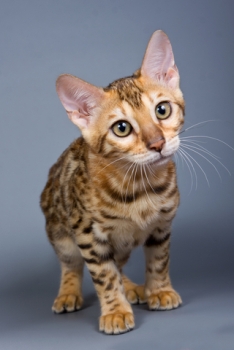
Bengals are medium-to-large cats, characterized by a sleek, muscular build that speaks to their athletic nature. Their most defining feature, however, is their coat. Bengals are the only domestic breed with rosettes—markings that have a different color on the inside than the outside, similar to those found on jaguars and leopards. Many Bengals also possess what is known as the “glitter gene,” a unique trait where the hair shafts are translucent, giving the coat an iridescent shimmer when caught in the light.
Beyond their spots, Bengals are known for their high cheekbones, large expressive eyes (usually green, gold, or aqua), and rounded ears. They move with a certain predatory grace, often stalking through the house with a low-slung, purposeful gait. Because they are so active, maintaining a healthy weight is crucial; owners should be vigilant and learn how to help an overweight cat lose weight if their Bengal becomes too sedentary, though this is rare for this high-energy breed.
The Bengal Personality: Intelligence and Activity
If you are looking for a cat that will sit quietly on your lap all day, the Bengal is likely not the breed for you. They are highly intelligent, curious, and incredibly active. Bengals are often described as “dog-like” because they can be taught to fetch, walk on a leash, and even perform complex tricks. Their cognitive needs are as high as their physical ones; without proper mental stimulation, a Bengal can become bored and destructive.
One of the most famous and quirky traits of the Bengal is their love of water. Unlike most felines that flee at the sound of a faucet, Bengals are often found batting at running water, drinking directly from the tap, or even jumping into the shower with their owners. Because of this affinity for water, owners often find that giving your cat a bath is much easier with a Bengal than with other breeds, as they view the water as a source of play rather than a threat.
Health and Longevity: What Owners Need to Know
While Bengals are generally robust and healthy cats with a lifespan of 12 to 16 years, they are predisposed to certain genetic conditions. Responsible breeders now screen for Hypertrophic Cardiomyopathy (HCM), a form of heart disease, and Progressive Retinal Atrophy (PRA-b), which can lead to blindness. Another concern is Pyruvate Kinase Deficiency (PKD), which can cause anemia.
Statistics from 2023 veterinary reports suggest that preventative care is the number one factor in Bengal longevity. Regular check-ups are essential to monitor for these hereditary issues. Furthermore, their high activity levels mean they are prone to minor injuries from jumping and climbing. For those who appreciate the size and vigor of the Bengal but want to compare them with other substantial breeds, exploring a cat breed guide for Maine Coons can provide an interesting perspective on how different large domestic breeds manage their health and lifestyle needs.
Training and Socialization: Managing the Wild Side
Socialization is key for a Bengal cat, especially during kittenhood. Because they are so closely linked to their wild ancestors, they require consistent interaction to remain well-adjusted. They are highly social and usually get along well with children and other pets, provided they are introduced properly. However, their high prey drive means they should be supervised around small pets like hamsters or birds.
Training a Bengal is an excellent way to bond with them. Clicker training is highly effective for this breed. They respond well to positive reinforcement and are often motivated by treats or play. Many Bengal owners invest in “cat wheels”—large treadmills designed for felines—to help their pets burn off excess energy. Without a designated outlet for their speed and power, a Bengal might decide that your curtains or bookshelves are the next best thing to climb.
Expert Verdict: Is the Bengal Right for You?
The Bengal is an extraordinary cat for an extraordinary owner. They are high-maintenance in terms of time and attention but low-maintenance in terms of grooming, as their short coats require minimal brushing. If you have a lifestyle that allows for interactive play, leash-walking, and plenty of mental puzzles, the Bengal will reward you with unparalleled loyalty and a truly unique companionship. However, if you are often away from home or prefer a low-energy environment, the Bengal’s intensity may be overwhelming. Experts recommend this breed for active families or individuals who view pet ownership as an interactive hobby rather than a passive experience.
Frequently Asked Questions (FAQ)
- Do Bengal cats shed a lot? No, Bengals actually shed significantly less than most domestic cats. Their unique single-layered pelt is very sleek and requires only weekly brushing to keep it looking its best.
- Are Bengal cats hypoallergenic? While no cat is 100% hypoallergenic, many people with cat allergies report fewer reactions to Bengals because they produce less Fel d 1 protein and have less fur to trap dander.
- Can Bengal cats live in apartments? Yes, provided you utilize vertical space. Cat trees, wall shelves, and interactive toys are essential for keeping a Bengal happy in smaller living quarters.
- Are they aggressive? Modern Bengals (F4 generations and beyond) are not aggressive. They are energetic and vocal, which can sometimes be mistaken for aggression by those unfamiliar with the breed, but they are bred specifically for a domestic temperament.
- How much do Bengal cats cost? In 2024, a Bengal kitten from a reputable breeder typically costs between $1,500 and $4,000, depending on the coat quality and lineage.
Conclusion
The Bengal cat remains one of the most fascinating success stories in the world of feline breeding. By carefully balancing the majestic aesthetics of the Asian Leopard Cat with the affectionate soul of a domestic pet, breeders have created a companion that is truly unlike any other. Whether they are performing backflips for a feather toy, splashing in their water bowl, or curling up beside you after a long day of play, the Bengal is a constant reminder of the wild beauty of nature. For the right owner, a Bengal isn’t just a cat—it’s a life-changing addition to the family that brings energy, intelligence, and a touch of the wild into every day.


