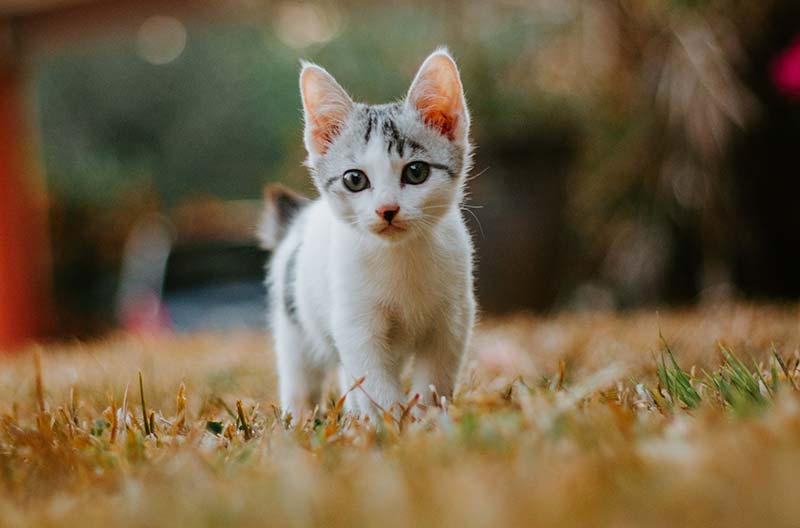
Famed 19th-century French writer Jules Champfleury once observed, ‐A kitten is the delight of a household. All day long a comedy is played out by an incomparable actor.‑ These adorable, fluffy feline ‐actors,‑ however, require an immense amount of specialized attention and care to ensure they grow into healthy, well-adjusted adults. Fostering kittens is one of the most impactful ways to support animal welfare, particularly as shelters face increasing intake numbers. Kittens under eight weeks old are extremely vulnerable because their immune systems are not yet fully developed, making them unsuitable for standard shelter environments. By becoming a pet foster parent, you provide the critical care and human socialization necessary to make adoption possible.
The Vital Importance of Fostering in 2024
As we move through 2024, the importance of foster homes has never been greater. Recent data suggests that while adoption rates have stabilized, the ‐kitten season‑—spanning from early spring through late autumn—continues to overwhelm municipal shelters. It is estimated that approximately 1.4 million cats are euthanized in the United States annually, many of whom are neonatal kittens that simply did not have a foster home available to provide the 24-hour care they required. Providing a loving foster home does not just save the life of the individual kitten; it also frees up valuable space and resources within the shelter system for other animals in need.
Before you dive in, it is essential to understand that fostering is a commitment of time, emotion, and space. While placements are intended to be temporary, the duration depends on the kitten’s health, age, and how quickly a forever home is found. Ideally, a foster parent should keep the kitten until they are ready for adoption to avoid the trauma of multiple moves. Before bringing a new litter home, you must ensure your living situation is appropriate. This involves creating a pet-friendly home that balances safety with comfort. For detailed advice on this, you can explore creating a pet-friendly home environment to prepare your space for these tiny explorers.
Preparing Your Home for Tiny Guests
Kittens are naturally curious and remarkably fragile. Your first step should be to designate a ‐kitten room‑—usually a bathroom or a small laundry room that is easy to sanitize. Because young kittens cannot regulate their body temperature, this space must be kept warm. A heating pad specifically designed for pets, covered with a soft fleece blanket, is a necessity. Avoid using human heating pads, as they can fluctuate in temperature and cause burns.
Supplies you will need include:
- Kitten Milk Replacer (KMR)—never use cow’s milk!
- Feeding syringes or specialized kitten bottles.
- A shallow litter box with non-clumping litter (clumping litter can be dangerous if ingested).
- Soft blankets and a ‐nesting box.‑
- Kitchen scales to monitor daily weight gain.
Neonatal Care: Feeding and Hygiene
The care requirements for a foster kitten vary drastically by age. For the first two to three weeks of life, kittens are entirely dependent on their mother or a foster parent for everything, including eating and waste elimination. If you are bottle-feeding, you must feed them every 2-3 hours, including throughout the night. It is critical to feed them while they are on their stomachs, never on their backs, to prevent aspiration pneumonia.
Until they are about four or five weeks old, kittens cannot urinate or defecate on their own. After every feeding, you must gently stimulate their genital area with a warm, damp cotton ball or soft cloth to mimic the mother’s grooming. By week five, most kittens will begin to use a litter box instinctively. However, they may need some encouragement. For those struggling with this transition, there are tips on how to make your kitten love their litter box that can simplify the training process.
Monitoring Kitten Health
Kittens can go from healthy to critically ill in a matter of hours. This is why daily weighing is vital; a kitten that stops gaining weight is often showing the first sign of illness. Common issues include Upper Respiratory Infections (URIs), which can cause sneezing and discharge. If you notice these symptoms, it is important to understand the top reasons cats get runny noses so you can provide the shelter or your vet with accurate information during an emergency.
Socialization and Taming Feral Kittens
If you have found a kitten outdoors, it is important to determine if they are truly abandoned. If the kitten is plump and clean, the mother is likely nearby. If they are dirty or underweight, they need immediate intervention. Feral kittens—those born to wild cats without human contact—can be tamed if they are socialized before eight weeks of age. This process requires patience, gentle handling, and positive reinforcement with food. Taming feral kittens allows them to live long, happy lives as indoor pets rather than struggling for survival in the wild.
Expert Review and Verdict
Veterinary experts, including Dr. Chris Roth, DVM, emphasize that the ‐gold standard‑ for kitten development is a combination of nutritional stability and environmental enrichment. Experts agree that the critical window for socialization closes around 12 to 14 weeks. Therefore, the role of a foster parent in providing varied human interaction during the 5-week to 10-week mark is indispensable. The verdict is clear: while fostering requires a high degree of emotional and physical labor, the success rate for adopted foster kittens is significantly higher than those raised in traditional shelter cages.
Frequently Asked Questions (FAQ)
How much does it cost to foster a kitten?
Most shelters and rescue organizations provide the necessary medical care, vaccinations, and sometimes even food and litter. The foster parent usually provides the home, love, and basic supplies like bowls and blankets.
Can I foster if I have other pets?
Yes, but it is highly recommended to keep foster kittens quarantined from your personal pets for at least 10-14 days. This prevents the spread of contagious diseases like feline upper respiratory infections or parasites.
How do I know when the kittens are ready for adoption?
Standard practice is that kittens are ready for adoption once they reach eight weeks of age and weigh at least two pounds, which is also the threshold for being safely spayed or neutered.
Is it hard to give them up when they get adopted?
It can be emotional, but most foster parents find that the ‐goodbye‑ is a happy occasion because it means the kitten has found a forever home, and a spot has opened up to save another life.
Conclusion
Fostering kittens is an experience that changes lives—both the kittens’ and your own. By understanding the rigorous demands of neonatal care and the nuances of feline health, you can become a vital link in the animal rescue chain. Whether you are helping a tiny orphan survive their first night or taming a spicy feral kitten, your contribution is a profound act of compassion. Open your heart and your home; the rewards of seeing a healthy kitten head to their forever home are truly incomparable.


