The Critical Danger of the ‘Quick Errand’ Trap
As devoted pet parents, we naturally want our canine companions to share in every aspect of our lives. From brisk morning hikes to casual weekend errands, our dogs provide unmatched companionship. However, a common and potentially fatal mistake many owners make is leaving their dog unattended in a vehicle. Whether it is a quick dash into the grocery store or a brief stop at the post office, the perception that ‘it will only take a minute’ is a dangerous gamble. In reality, the environment inside a stationary car can transform into a lethal oven in a surprisingly short amount of time. Understanding the physics of vehicle heat and the physiological limits of your dog is essential for every responsible owner.
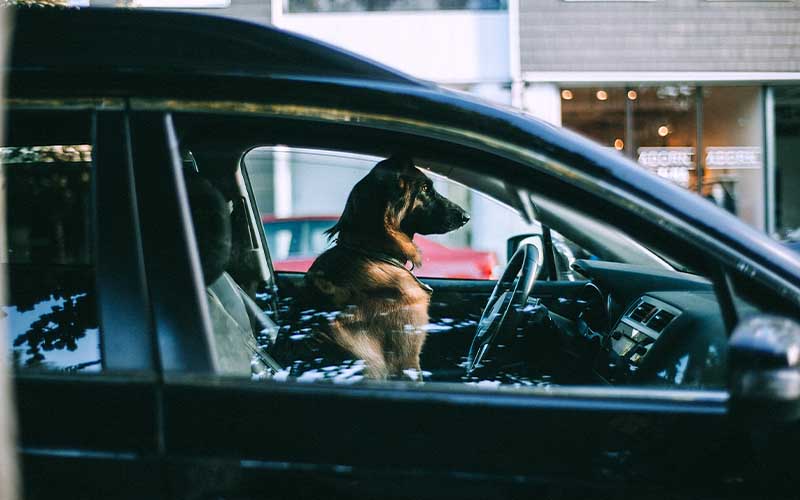
The bond we share with our pets comes with significant duties. When planning a trip, learning how to make your car pet-friendly is a great first step, but the most vital safety rule is never to leave them alone in the car. As we move into 2024, climate trends show increasingly volatile summer temperatures, making this issue more pressing than ever. This guide explores the science behind car temperatures, the legal ramifications of leaving pets unattended, and the life-saving steps you should take to protect your furry friend.
The Greenhouse Effect: Why ‘Just a Minute’ is Too Long
Many people underestimate how quickly a car’s interior heats up. Even on a mild 70-degree Fahrenheit day, the temperature inside a parked car can soar to nearly 100 degrees in just 20 minutes. After an hour, that temperature can hit 115 degrees or higher. This occurs because of the greenhouse effect: short-wave solar energy enters through the windows, heating the dashboard, seats, and upholstery. These surfaces then radiate long-wave infrared energy, which cannot easily escape through the glass, trapped within the cabin. Research conducted by the American Veterinary Medical Association (AVMA) highlights that cracking a window has almost no measurable effect on slowing this temperature spike. The airflow provided by a small gap is simply insufficient to counteract the intense solar radiation hitting the vehicle’s large surface area.
Physiological Impact: Why Dogs Can’t Handle the Heat
Humans have sweat glands distributed across their bodies to help regulate temperature through evaporation. Dogs, however, are significantly less efficient at cooling themselves. They primarily rely on panting to exchange hot internal air for cooler external air. When a dog is trapped in a hot car, they are forced to breathe in the very air they are trying to cool down. As the ambient temperature rises, panting becomes ineffective, and the dog’s core body temperature begins to climb rapidly. This leads to canine heatstroke, a medical emergency that can cause permanent organ damage or death within minutes.
Symptoms of Heatstroke to Watch For
- Excessive or heavy panting: This is the first sign of distress as the dog tries to compensate for the rising heat.
- Hypersalivation: Thick, ropy drool or foam at the mouth indicates the dog’s cooling mechanisms are failing.
- Dark red or purple gums: This suggests poor oxygenation and severe dehydration.
- Lethargy or collapse: If the dog is unable to stand or seems disoriented, they have entered a critical stage of heat exhaustion.
- Vomiting or diarrhea: These are signs of systemic shock as the body reacts to extreme thermal stress.
If you suspect your dog is overheating, it is imperative to move them to a cool area immediately. Gradually lower their temperature using lukewarm (not ice-cold) water and wet towels. Once stabilized, seek emergency veterinary care. Understanding the legal rights in pet care can help you navigate the aftermath of such emergencies, ensuring your pet receives the necessary treatment and you understand your standing as a caregiver.
Legal Landscape: 2024 Regulations and Consequences
Leaving a dog in a hot car is not just a safety risk; it is increasingly becoming a legal liability. As of 2024, 31 states have enacted laws specifically addressing animals left in parked vehicles. These laws generally fall into two categories: those that prohibit leaving an animal in a vehicle under dangerous conditions and those that provide civil immunity to individuals who rescue a distressed animal. In states like California, Florida, and New York, law enforcement and even private citizens (under specific conditions) are protected from being sued if they must break a car window to save a dying pet.
The penalties for violating these laws are severe. Depending on the jurisdiction and the severity of the animal’s condition, owners can face heavy fines, misdemeanor charges, or even felony animal cruelty charges for repeat offenses. Pet parents must be fully aware of the legal responsibilities of pet owners to avoid these devastating legal and financial consequences. Ignorance of the law is rarely a valid defense when an animal’s life is at stake.
What to Do If You See a Dog Trapped in a Car
If you encounter a dog left alone in a vehicle on a warm day, your quick action could save a life. Follow these expert-recommended steps:
- Assess the Situation: Check if the dog is showing signs of distress. Note the car’s make, model, and license plate number.
- Alert Local Businesses: If the car is parked in a shopping center, ask the management to page the owner over the intercom.
- Call for Help: Contact local animal control or the police non-emergency line. If the dog is in immediate danger of dying, call 911.
- Stay with the Dog: Do not leave the scene until help arrives or the owner returns.
- Know the Law: Before attempting to break a window yourself, ensure your state has a ‘Good Samaritan’ law that covers private citizens, as you could otherwise be held liable for property damage.
Expert Verdict: Prevention is the Only Solution
The consensus among veterinarians and animal safety experts is clear: there is no safe amount of time to leave a dog in a car alone. Even with the air conditioning running, mechanical failures can occur, or a dog might accidentally knock the gear shift. The most responsible choice is to leave your pet at home in a climate-controlled environment or choose dog-friendly establishments where they can accompany you inside. By prioritizing your dog’s safety over convenience, you ensure many more years of happy adventures together.
Frequently Asked Questions (FAQ)
Is it okay to leave my dog in the car if I leave the AC running?
While it may seem safe, it is not recommended. Engines can stall, or AC systems can fail without warning. Additionally, in many states, ‘idling laws’ make it illegal to leave a car running unattended, and you run the risk of car theft or your dog accidentally shifting the vehicle into gear.
Does cracking the windows actually help?
No. Multiple studies have shown that cracking the windows has a negligible effect on the internal temperature of a car. The greenhouse effect still occurs, and the temperature can still reach lethal levels within minutes.
What states allow me to break a window to save a dog?
Approximately 15 of the 31 states with ‘hot car’ laws provide some level of immunity to private citizens who rescue animals. However, most require you to first call emergency services and ensure the vehicle is locked before taking such action. Always check your local 2024 statutes.
How long does it take for a dog to get heatstroke?
In extreme conditions, a dog can suffer from heatstroke in as little as 10 to 15 minutes. Factors like breed (brachycephalic dogs like Pugs are at higher risk), age, and humidity play a significant role in how fast the condition progresses.
Conclusion
Protecting our pets is a full-time commitment that requires vigilance and education. The dangers of leaving a dog in a car are scientifically proven and legally reinforced. By understanding the risks of canine heatstroke and the evolving legal landscape of 2024, you can make informed decisions that keep your best friend safe. Remember, if you can’t take them in, don’t take them with you. Your dog’s life is worth far more than the convenience of a quick stop.


