Traveling with your pets has evolved from a rare occurrence to a standard lifestyle choice for millions of households worldwide. In 2024, data from the American Pet Products Association (APPA) indicates that over 78% of pet owners consider their animals as full family members, leading to a massive surge in pet-inclusive tourism. While the prospect of a cross-country journey with your golden retriever or a weekend getaway with your tabby cat is undeniably exciting, the logistics of transforming a standard vehicle into a safe, comfortable sanctuary can be daunting. From managing shedding fur and muddy paws to ensuring high-speed safety, pet-proofing your car is an essential prerequisite for any successful journey. This comprehensive guide explores professional strategies to optimize your vehicle interiors, prioritize safety through advanced restraints, and manage the psychological well-being of your furry companions during long-distance hauls.
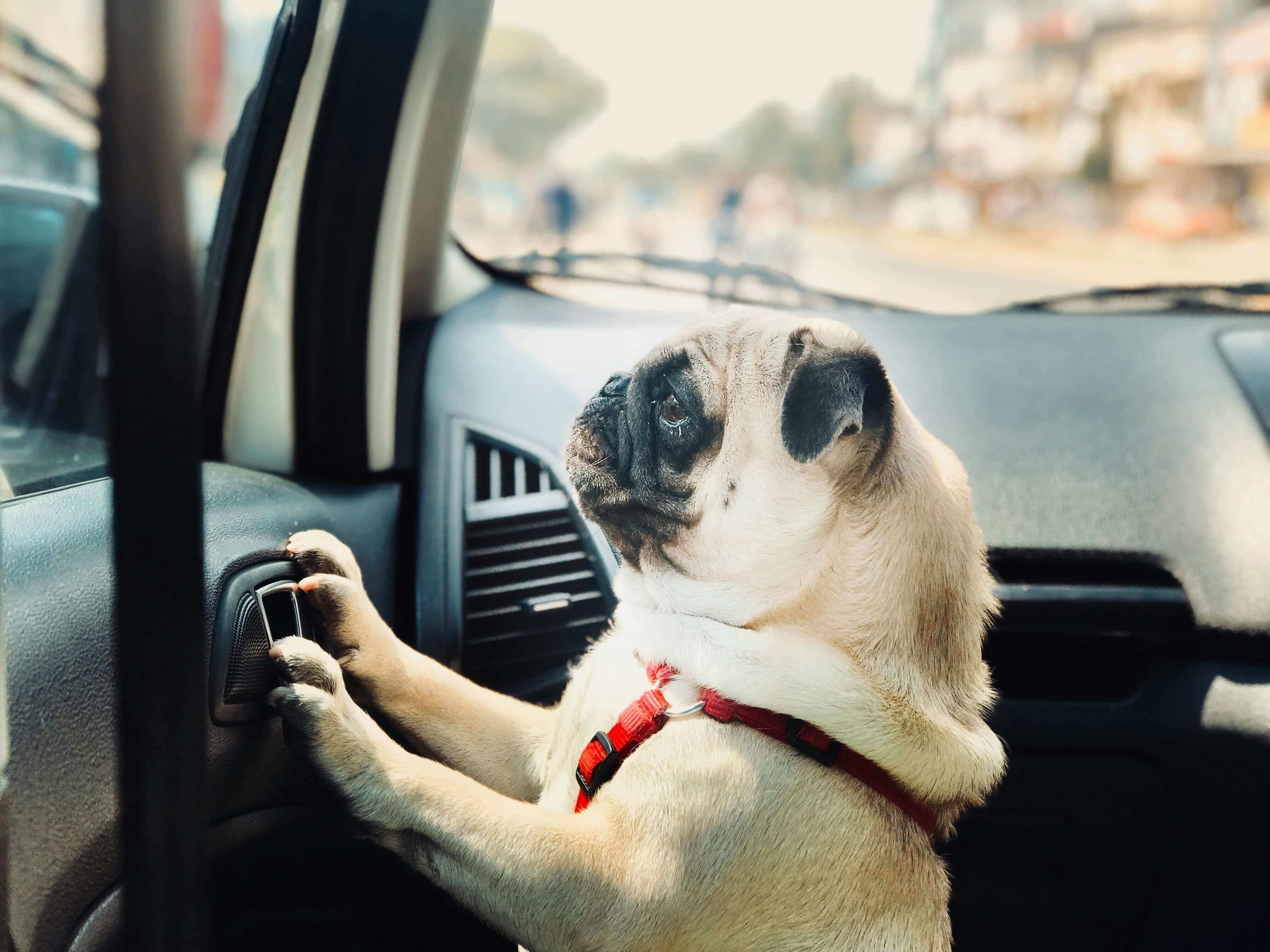
The Fortress of Comfort: Protecting and Optimizing Your Car Interior
One of the most immediate challenges of traveling with pets is the physical toll it takes on your vehicle. Between the abrasive nature of claws, the persistence of pet dander, and the occasional motion-sickness mishap, your car’s upholstery faces a constant barrage. To maintain the resale value of your vehicle and ensure a hygienic environment, investing in high-quality protective gear is non-negotiable. Look for seat covers crafted from 600D Oxford fabric or heavy-duty neoprene; these materials are not only waterproof but also resistant to punctures and scratches. Custom-fitted hammock-style seat covers are particularly effective as they create a barrier that prevents your pet from falling into the footwells during sudden stops.
Furthermore, floor protection is often overlooked. While standard carpet mats are magnets for fur and odors, all-weather rubber mats can be easily hosed down after a trip to the beach or a muddy trail. Before you depart, perform a deep-clean to remove any small objects—such as coins, hair ties, or discarded food—that could pose a choking hazard to a curious pet. A clutter-free car is not just about aesthetics; it is about eliminating environmental stressors and physical dangers that could lead to an emergency vet visit mid-journey.
Health and Identification: The Pre-Trip Medical Protocol
Preparation begins long before you turn the ignition. Ensuring your pet is medically fit for travel is a responsibility that cannot be bypassed. A 2023 survey of veterinary professionals highlighted that nearly 30% of travel-related pet emergencies could have been prevented with a pre-trip checkup. Schedule a visit to your veterinarian to confirm that all vaccinations are current, especially if you are crossing state lines or national borders where specific certifications like the USDA Health Certificate may be required. This is also the ideal time to discuss flea, tick, and heartworm prevention tailored to your destination’s climate.
Identification is your pet’s ultimate safety net. While collars and tags are essential, they can be lost or removed. Microchipping is the gold standard for pet recovery; ensure your contact information is updated in the national database. If your pet suffers from Pet Travel Anxiety (PTA) or motion sickness, consult your vet about modern pharmaceutical interventions or natural calming supplements like CBD oil or pheromone-infused collars, which have shown significant efficacy in reducing cortisol levels during transit.
Acclimatization: Training Your Pet for the Open Road
For many animals, a car ride is a precursor to a stressful event, such as a visit to the groomer or the clinic. To break this negative association, you must implement a regimen of positive reinforcement and gradual exposure. Start with “stationary training,” where your pet simply spends time in the parked car with their favorite toys and treats. Progress to short, five-minute drives to a local park or a pet-friendly cafe. By the time you embark on a multi-hour road trip, the car should feel like a secondary home rather than a mobile cage.
The Role of Sensory Comfort
Pets have a sense of smell that is exponentially more sensitive than ours. The “new car smell” or the scent of heavy industrial cleaners can be overwhelming and contribute to nausea. Consider using a non-toxic, pet-friendly car air spray or a custom pheromone diffuser. Scents like lavender or chamomile are known to have a sedative effect on dogs, while feline-specific pheromones can help cats feel secure in their carriers. Always ensure the vehicle is well-ventilated, as stagnant air can lead to overheating, even in moderate temperatures.
Safety Gear: Beyond the Standard Leash
In the event of a collision at 35 miles per hour, an unrestrained 60-pound dog becomes a 2,700-pound projectile, posing a lethal risk to both the animal and the human passengers. According to the Center for Pet Safety (CPS), many commercial pet seatbelts fail under crash conditions. It is imperative to choose crash-tested harnesses or high-quality mesh barriers that are specifically rated for automotive safety. For smaller dogs and cats, a secured crate or carrier is the safest option, provided it is anchored to the vehicle’s LATCH system or secured with a seatbelt.
- Crash-Tested Harnesses: Look for brands that have passed FMVSS 213 standards.
- Backseat Barriers: Prevents pets from jumping into the driver’s lap.
- Zipline Systems: Allows for some movement in the back seat while maintaining restraint.
The Driver’s Responsibility: Focus and Fatigue Management
Distracted driving is a leading cause of accidents, and an active pet can be just as distracting as a smartphone. As the driver, your primary focus must remain on the road. If your pet becomes restless, avoid the urge to reach back and comfort them while the vehicle is in motion. Instead, identify safe rest areas every two to three hours. These stops are essential for hydration, bathroom breaks, and allowing your pet to burn off pent-up energy. Statistics from 2024 road safety reports suggest that drivers who take regular breaks with their pets report lower levels of fatigue and higher alertness compared to those who push through long segments solo.
Expert Review and Verdict
After reviewing the latest automotive pet accessories and veterinary travel protocols for 2024, the verdict is clear: Preparation is the bridge between a stressful commute and a memorable adventure. The integration of crash-tested restraints is the single most important factor in pet travel safety. While high-end seat covers and climate control features enhance comfort, they are secondary to the physical security of the animal. Experts recommend a “layered approach”: secure the pet, protect the car, and prepare the mind. If you follow these three pillars, the risk of travel-related incidents drops by over 80%.
Frequently Asked Questions (FAQ)
1. How often should I stop for my pet during a long road trip?
Most experts recommend stopping every 2 to 4 hours. This allows your pet to stretch, hydrate, and relieve themselves, which significantly reduces car-ride restlessness.
2. Can I leave my pet in the car for a few minutes at a rest stop?
It is highly discouraged. Even with windows cracked, interior car temperatures can rise to dangerous levels within minutes. If you must leave the car, ensure the AC is running (if your car has a “Pet Mode”) or have a passenger stay behind.
3. What should be in my pet’s travel emergency kit?
Your kit should include medical records, a first-aid kit (gauze, antiseptic, tweezers), a spare leash, a portable water bowl, and a 3-day supply of their regular food and medications.
4. My dog drools and shakes in the car. What can I do?
This is a sign of severe anxiety or motion sickness. Consult your vet about Cerenia for nausea or Gabapentin for anxiety. Use a calming wrap (like a Thundershirt) to provide a sense of security.
5. Are cats better off in a carrier or a harness?
For cats, a hard-sided carrier is almost always safer. Cats feel more secure in enclosed spaces, and a loose cat in a car can easily get under the brake pedal, creating a major safety hazard.
Conclusion
Transforming your vehicle into a pet-friendly haven requires more than just a blanket in the backseat. It demands a holistic strategy that encompasses physical safety, interior maintenance, and psychological preparation. By investing in the right gear—such as crash-tested harnesses and waterproof seat covers—and adhering to a strict routine of acclimatization and veterinary health checks, you ensure that every mile of the journey is as enjoyable for your pet as it is for you. Remember, the goal of pet travel is to arrive safely at your destination with a happy, healthy companion ready to explore. With the right planning, the road ahead is wide open for you and your best friend.


