Walk through any local animal shelter and you will likely notice a sea of wagging tails and hopeful eyes. However, according to many animal welfare advocates, a subtle and heartbreaking trend persists beneath the surface: dogs with black coats often wait significantly longer to find their forever homes than their lighter-colored counterparts. This phenomenon, widely known as Black Dog Syndrome (BDS), suggests that darker-furred canines are subject to an unconscious bias that renders them ‘invisible’ to potential adopters. While the concept has sparked heated debate among researchers and shelter staff for decades, the emotional weight of the issue remains a cornerstone of modern rescue efforts. Understanding the complexities of BDS is essential for anyone navigating the adoption vs. buying debate, as it highlights how superficial traits can overshadow a pet’s true personality.
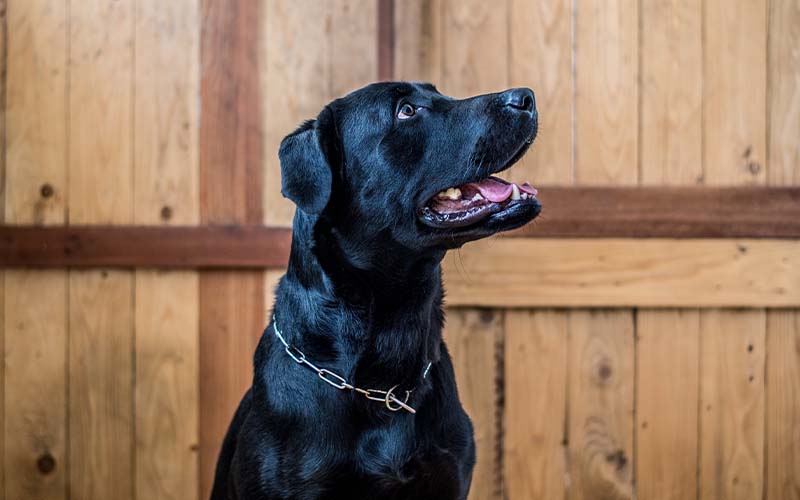
The term ‘Black Dog Syndrome’ first gained traction in the early 2000s when shelter professionals began noticing that black or dark-brown dogs were frequently overlooked in favor of yellow, white, or multi-colored dogs. This observation wasn’t just anecdotal; it sparked a series of scientific inquiries into how coat color affects the human-animal bond. A 2002 study conducted at a California shelter found that black coats were indeed a negative predictor for adoption, with black and brindle dogs facing higher rates of euthanasia. However, the scientific community is far from a consensus. For instance, a 2013 analysis of no-kill shelters in New York suggested that coat color had no statistically significant impact on the length of a dog’s stay. This conflict suggests that while BDS may not be a universal law, it is a localized reality shaped by culture, geography, and shelter management.
The Psychology of Perception: Why Are Black Dogs Overlooked?
Several psychological and cultural factors contribute to the persistence of Black Dog Syndrome. One of the most prominent theories involves cultural archetypes and media representation. For centuries, folklore has depicted large black dogs as omens of doom or guardians of the underworld (such as the ‘Black Shuck’ of British legend). This trope persists in modern media, where aggressive or ‘scary’ dogs in movies and television are often black. Popular franchises like Harry Potter have even utilized the ‘Grim’—a spectral black dog—to represent death, further cementing these subconscious associations in the public imagination.
The ‘Invisible’ Dog: The Challenge of Lighting and Photography
In the age of digital adoption, a dog’s online profile is their first impression. This is where black dogs face a technical disadvantage. Without professional-grade lighting, a black dog’s facial features—their expressive eyes, the tilt of their head, or the curve of their mouth—can become lost in a ‘blob’ of dark fur. Potential adopters often make split-second decisions based on these emotional cues. If they can’t see the dog’s personality in a photo, they are less likely to click on the profile. Fortunately, many shelters are now adopting advanced techniques for creating professional pet portraits to ensure these animals stand out against bright backgrounds and showcase their unique charm.
Data Trends and Scientific Contradictions
As we move through 2024, the data surrounding BDS continues to evolve. Recent insights from the ASPCA indicate that while appearance is a major factor for approximately 27% of adopters, temperament remains the primary driver for most successful placements. Some experts argue that what we perceive as BDS is actually a numbers game. Because black is a dominant genetic trait in many common breeds (like Labrador Retrievers and Pit Bull mixes), there are simply more black dogs in the shelter system. If a shelter has 50 black dogs and 5 white dogs, it may feel as though the black dogs are ‘lingering,’ even if they are being adopted at a proportional rate.
Furthermore, breed stereotypes often intersect with coat color. A black Rottweiler or Doberman Pinscher might face more scrutiny than a black Labrador, purely based on the breed’s reputation. This intersectionality makes it difficult to isolate color as the sole variable. Shelter environments also play a role; poorly lit kennels can make a dark dog seem less approachable or more intimidating, potentially causing understanding canine depression and emotional cues to be misinterpreted as aggression by an untrained eye.
Combating the Bias: How Shelters and Adopters Can Help
The good news is that awareness of Black Dog Syndrome has led to innovative solutions that are actively closing the gap in adoption rates. Awareness campaigns like National Black Dog Day (October 1st) and Black Dog and Cat Awareness Month (February) have been instrumental in rebranding these animals as sophisticated, loyal, and striking companions. Shelters have also begun using ‘color coding’—dressing black dogs in bright bandanas or colorful vests—to help them pop visually and appear more approachable to visitors.
- Professional Photography: Utilizing ‘glam shots’ with high-contrast backgrounds to highlight facial expressions.
- Lighting Upgrades: Ensuring kennels are well-lit so potential owners can see the dog clearly.
- Subconscious Awareness: Training shelter staff to guide adopters toward black dogs that match their lifestyle, regardless of color.
- Educational Events: Hosting special adoption events with reduced fees specifically for dark-coated pets.
Expert Review: The Verdict on BDS
Veterinary professionals and animal behaviorists generally agree that while the ‘syndrome’ may be exaggerated in some data sets, the unconscious bias is real. Dr. Fiona Lee, a veterinary reviewer, notes that the focus should always be on the individual animal’s temperament. ‘A dog’s coat color has zero correlation with its personality, intelligence, or capacity for love,’ she explains. The ‘verdict’ is clear: Black Dog Syndrome is a multifaceted issue that requires a combination of better marketing, public education, and a commitment from adopters to look past the fur and into the soul of the animal.
Frequently Asked Questions (FAQ)
Is Black Dog Syndrome scientifically proven?
The evidence is mixed. Some studies from the early 2000s showed a clear bias, while more recent studies (2013-2023) suggest that factors like breed, age, and behavior are more influential than color alone. It varies significantly by region and specific shelter demographics.
Are black dogs actually more aggressive?
Absolutely not. There is no biological or behavioral link between coat color and aggression. This is a myth perpetuated by media tropes and historical superstitions.
How can I take better photos of my black dog?
The key is lighting. Avoid harsh direct sunlight, which can create shadows. Instead, opt for bright, indirect light (like a cloudy day). Use a light-colored or vibrant background (greens, yellows, or blues) to provide contrast, and focus your camera specifically on their eyes.
What is ‘Black Cat Syndrome’?
It is the feline equivalent of BDS. Black cats often face even steeper hurdles due to superstitions regarding ‘bad luck,’ particularly around Halloween. Like black dogs, they benefit greatly from targeted awareness campaigns.
Which breeds are most affected by BDS?
Commonly affected breeds include Labrador Retrievers, Pit Bull-type dogs, German Shepherds, and various mixed breeds. Large black dogs generally face more bias than small black dogs.
Conclusion
Whether Black Dog Syndrome is a widespread psychological phenomenon or a logistical byproduct of shelter demographics, the goal remains the same: ensuring every dog is judged by the ‘content of their character’ rather than the color of their coat. By remaining aware of our own unconscious biases and supporting shelters that prioritize high-quality representation for all animals, we can ensure that these ‘shadow’ dogs finally get their moment in the sun. If you are looking for a loyal, striking, and often overlooked companion, your local shelter’s black dog section is the perfect place to start your search.


