As we transition through the late summer months and into September, pet owners often make the mistake of assuming the danger of heat-related illness has passed. However, temperatures can remain deceptively high well into autumn, and the risk of heat stroke and heat exhaustion remains a critical concern for veterinarians worldwide. Recent data from 2023 and early 2024 suggests that as global temperatures fluctuate, pet owners are frequently caught off guard by “unseasonable” heat waves. While every animal is technically at risk when the mercury rises, certain biological factors and physical traits make specific groups of pets significantly more vulnerable. Understanding these risks is not just about comfort; it is a matter of life and death, as heat stroke can lead to multi-organ failure in as little as 15 minutes of intense exposure. To ensure your furry friend stays safe, it is vital to beat the heat with a comprehensive guide tailored to our warming climate.
1. Brachycephalic Breeds: The Struggle for Every Breath
The term brachycephalic comes from Greek roots meaning “short” and “head.” These pets, characterized by their shortened snouts and flat faces, are the most at-risk group when it comes to heat-related exercise. Common examples include the English Bulldog, French Bulldog, Pug, Boston Terrier, Boxer, Pekingese, and Shih Tzu. In the feline world, the Persian cat stands out as the primary example.
The primary reason these breeds struggle is anatomical. They often suffer from Brachycephalic Obstructive Airway Syndrome (BOAS), which involves a combination of narrowed nostrils (stenotic nares) and an elongated soft palate. Because dogs and cats do not sweat through their skin like humans, they rely almost exclusively on panting to cool down. Panting moves air over the moist surfaces of the tongue and lungs, facilitating evaporative cooling. However, a brachycephalic pet has a much smaller-than-average trachea (windpipe). This restriction means they have to work twice as hard to move half the air, making it nearly impossible for them to pump enough oxygen-rich blood to their organs or dissipate heat effectively when exercising in warm weather.
In 2024, veterinary surgeons have noted an increase in emergency admissions for flat-faced breeds during mild exercise on days as low as 75°F (24°C). If you own one of these breeds, exercise should be restricted to the very early morning or late evening, and access to air conditioning is non-negotiable.
2. Cold-Weather Specialists: Trapped in a Natural Parka
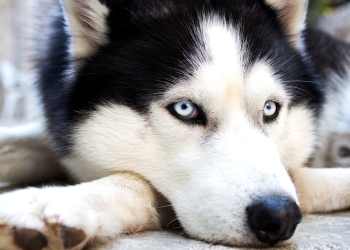
Breeds such as the Siberian Husky, Alaskan Malamute, Samoyed, Bernese Mountain Dog, and Great Pyrenees were evolutionarily designed to thrive in sub-zero temperatures. Their thick, double coats are marvels of engineering for the tundra, but they act like heavy wool sweaters in the summer sun. These cold-weather specialists have a much harder time coping with heat because their bodies are biologically tuned to retain warmth, not shed it.
While many owners believe that a thick coat provides insulation against the heat, there is a limit to this protection. Once the internal body temperature begins to rise due to physical activity, the thick fur traps that heat against the skin. While the original source suggests shaving these coats, modern veterinary consensus is often divided; some experts recommend a “summer trim” rather than a full shave to prevent sunburn and maintain some insulation. However, for breeds like the Chow Chow or Malamute, heavy grooming to remove the undercoat is essential to allow for better airflow. Regardless of the haircut, these dogs should never be pushed to perform high-intensity exercise in direct sunlight.
3. The Weight Factor: Why Obesity is a Thermal Trap
Obesity is currently the most significant preventable health crisis in the pet world. Estimates from 2023 indicate that over 50% of dogs and cats in the United States are classified as overweight or obese. While excess weight leads to joint issues and diabetes, its impact on thermoregulation is particularly dangerous. Adipose tissue (fat) acts as a highly efficient insulator—think of a walrus or a whale needing thick blubber to survive freezing oceans. In a domestic pet, this fat layer prevents heat from escaping the body core.
Furthermore, carrying extra weight puts an immense strain on the heart and lungs. An obese pet has a higher baseline metabolic rate just to move their body, which generates more internal heat. When you add external heat and exercise to the mix, their respiratory system often fails to keep up. This is particularly dangerous for cats, who are masters at hiding discomfort until they are in a state of crisis. If you are struggling with a heavy pet, learning how to help an overweight cat lose weight is a critical step in preventing summer fatalities.
4. The Invisible Threat: Humidity and the Heat Index
Perhaps the most misunderstood factor in pet exercise safety is humidity. Many owners check the thermometer and think, “It’s only 80 degrees, it’s fine for a walk.” But if the humidity is high, the effective temperature (the Heat Index) is much higher. As mentioned, pets cool themselves through the evaporation of moisture from their tongue and lungs. When the air is already saturated with water (high humidity), moisture cannot evaporate from the pet’s tongue effectively.
In high-humidity climates, a pet can suffer from heat stroke even in the shade and even with plenty of water. The cooling mechanism simply stops working. Owners should look for the “Dew Point” on their weather apps; if the dew point is above 65°F, caution is required. If it exceeds 70°F, high-energy exercise should be avoided entirely for at-risk breeds. Always be prepared to identify critical warning signs that require an urgent vet visit, such as brick-red gums, thick ropy saliva, or a dazed expression.
Expert Review: The 2024 Verdict on Pet Safety
Veterinary professionals emphasize that prevention is the only reliable cure for heat stroke. Once a pet’s internal temperature exceeds 106°F, the damage to the brain, kidneys, and gastrointestinal tract begins to become irreversible. Experts now recommend the “five-second rule” for pavement: if you cannot hold the back of your hand on the asphalt for five seconds, it is too hot for your dog’s paws and will contribute to their overall body heat rising rapidly. For at-risk breeds, experts suggest using cooling vests and bringing collapsible water bowls on even the shortest walks.
Frequently Asked Questions (FAQ)
- What are the early signs of heat exhaustion? Early signs include excessive, loud panting, an enlarged “spatula-shaped” tongue, red gums, and a general reluctance to move or play.
- Can I use ice water to cool down a pet in heat stroke? No. Using ice-cold water can cause blood vessels to constrict, which actually traps heat in the core of the body. Use cool (not cold) water and a fan to facilitate evaporation.
- Does shade really help? Shade helps prevent direct solar heating, but in high humidity, the ambient air temperature and lack of evaporation remain dangerous even in the shade.
- Is it okay to leave my dog in the car for ‘just a minute’ in September? Absolutely not. Even when it is 70°F outside, the interior of a car can reach 100°F in minutes.
- Which cat breeds are most at risk? While all cats are at risk, flat-faced breeds like Persians, Himalayans, and Exotic Shorthairs are at the highest risk due to their respiratory anatomy.
Conclusion
Exercising your pet is a fundamental part of responsible ownership, but it must be done with an awareness of their biological limitations. Whether you own a brachycephalic Pug, a thick-coated Husky, or a pet that has put on a few extra pounds, the environment dictates the rules of engagement. By monitoring the humidity, understanding the specific needs of your breed, and acting quickly at the first sign of distress, you can ensure that your outdoor adventures remain safe and enjoyable throughout the warmer months. Stay vigilant, stay hydrated, and always prioritize your pet’s internal temperature over their daily exercise routine.


