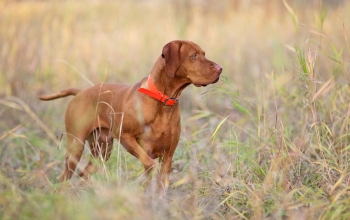
Hunting dogs are far more than just household pets; they are elite athletes, specialized workers, and dedicated companions that thrive in the rugged outdoors. Whether it is a German Shorthaired Pointer flushing out upland birds or a Labrador Retriever plunging into icy waters for a waterfowl retrieve, these breeds push their bodies to the absolute limit. However, the very environment that brings them joy—dense brush, uneven terrain, and wild habitats—is fraught with physical risks that the average couch-bound canine rarely encounters. As veterinary costs continue to climb in 2024, with specialized surgeries and emergency care reaching record highs, the financial burden of a field injury can be staggering. For the modern sportsman, pet insurance is no longer a luxury; it is a critical component of a responsible hunting strategy, ensuring that your four-legged partner receives life-saving care without causing a personal financial crisis.
The High Cost of Athletic Excellence: Orthopedic Injuries
The most frequent and arguably the most expensive category of injuries for hunting dogs involves the musculoskeletal system. Because these dogs perform high-impact maneuvers—jumping over fallen logs, sprinting through thickets, and making sharp pivots on slick mud—their joints and bones are under constant duress. Orthopedic injuries, specifically Cranial Cruciate Ligament (CCL) tears—the canine equivalent of a human ACL tear—are a leading cause of vet visits for sporting breeds.
Treating a torn cruciate almost always requires advanced surgery, such as a Tibial Plateau Leveling Osteotomy (TPLO). In 2024, the cost for a single TPLO surgery can range from $3,500 to $6,000 depending on your geographic location. Without insurance, this is a massive out-of-pocket expense. Beyond ligaments, hunting dogs are also prone to fractures and severe muscle strains. While a minor fracture might be managed with a splint, complex breaks often require surgical intervention involving pins or titanium plates. If your dog suffers a setback in the field, knowing how to best care for your dog with a broken bone in the immediate aftermath is vital, but the long-term recovery depends on the quality of orthopedic care you can afford.
Field Hazards: Lacerations, Wounds, and Infections
A hunting dog’s drive often overrides their sense of self-preservation. In the heat of the chase, a dog may not even notice they have been sliced by a barbed-wire fence, punctured by a sharp branch, or torn by thick briars. These lacerations and puncture wounds are common in the field and frequently require professional medical attention. Unlike a simple scratch, deep field wounds often hide bacteria or debris that can lead to systemic infections if not cleaned and sutured under sedation.
Furthermore, the repetitive friction of running across harsh terrain can lead to blistered or sloughed paw pads. The integrity of a dog’s feet is paramount to their performance. When these injuries occur, the cost of anesthesia, surgical repair, and a regimen of high-grade antibiotics adds up quickly. Comprehensive maintenance is required, and taking care of a dogs paws is a year-round responsibility for any serious hunter. Pet insurance helps cover these acute trauma costs, allowing you to focus on your dog’s recovery rather than the invoice.
Gastrointestinal Issues and Dietary Indiscretion
Even the most highly trained hunting dog is still a dog. The scents of the wild are enticing, and many dogs succumb to “dietary indiscretion”—the polite veterinary term for eating something they shouldn’t. This could be anything from animal carcasses found in the woods to toxic plants or stagnant pond water. Such ingestion often leads to severe Gastrointestinal (GI) illnesses, characterized by acute vomiting and diarrhea.
In the field, dehydration is a rapid and deadly threat. A dog suffering from GI distress cannot retain oral medications or water, necessitating hospitalization for intravenous (IV) fluids and supportive care. Additionally, the “stress” of travel and high-intensity work can trigger bouts of colitis. In more serious cases, a dog may ingest a foreign object that causes a blockage, requiring emergency abdominal surgery. These situations fall under the umbrella of the top 5 dangerous dog diseases that require quick vet intervention, where every hour of delay increases the risk to the dog’s life and the eventual cost of the bill.
The Silent Danger: Plant Material Foreign Bodies
One of the most insidious threats to a hunting dog is something as small as a seed. Fox tails, cheatgrass, and “goat heads” are designed by nature to hitchhike, and they excel at burrowing into a dog’s skin, ears, eyes, and even lungs. These plant material foreign bodies have microscopic barbs that allow them to move in only one direction: deeper into the tissue.
A fox tail in the ear can cause agonizing pain and permanent hearing loss if not removed. If inhaled, it can cause a migrating abscess in the chest cavity. Because these materials are often difficult to locate on standard X-rays, veterinarians may need to use ultrasound or endoscopes to find and remove them. These procedures, often requiring general anesthesia, are precisely why insurance is a lifesaver. Without coverage, the repeated attempts to locate a “migrating” foreign body can cost thousands of dollars over several weeks of treatment.
Expert Verdict: The 2024 Economic Reality
Veterinary medicine has seen incredible advancements in the last few years. We now have access to canine MRIs, laser therapy for recovery, and highly specialized trauma surgeons. While this means we can save dogs that would have been “retired” or worse a decade ago, it also means the financial ceiling for pet care has risen. Most hunting dog owners invest thousands of dollars into their dog’s training, gear, and travel. It is only logical to protect that investment—and the life of your best friend—with a robust insurance policy. Experts recommend looking for policies that specifically cover “Working Dogs” or “Hunting Dogs” without restrictive exclusions for field-related accidents.
Frequently Asked Questions (FAQ)
Does pet insurance cover injuries sustained during an actual hunt?
Yes, most comprehensive accident and illness plans cover injuries regardless of whether they happened at home or in the field. However, it is essential to disclose your dog’s activity level and ensure there are no specific exclusions for “working” or “sporting” dogs in the policy fine print.
Are certain breeds more expensive to insure?
Generally, yes. Breeds prone to specific conditions—like Labradors with hip dysplasia or GSPs with heart issues—may have higher premiums. However, the cost is still a fraction of what a single emergency surgery would entail.
What is the typical waiting period for coverage?
Most insurance providers have a waiting period of 2 to 14 days for accidents and slightly longer for illnesses. Cruciate ligament injuries often have a specific, longer waiting period (sometimes 6 months) unless a waiver is signed following a vet exam. This makes it crucial to insure your pup before the hunting season begins.
Will insurance cover chronic conditions like arthritis?
If the arthritis is diagnosed after the policy is active and the waiting periods have passed, it is typically covered under an “illness” or “comprehensive” plan. This is especially beneficial for aging hunting dogs who may need long-term pain management.
Conclusion
The bond between a hunter and their dog is forged in the early morning mist and the shared triumphs of a successful day in the field. To see that bond threatened by a treatable injury because of financial constraints is a tragedy no owner should face. By choosing a comprehensive pet insurance plan, you are providing a safety net for those unexpected moments—whether it’s a torn ACL, a deep laceration, or a hidden fox tail. In the high-stakes world of field sports, preparation is everything. Ensure your dog is as protected as you are before you head into the brush this season.


