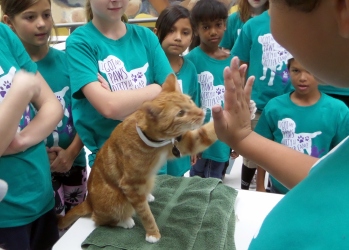
For years, the myth that cats are untrainable has persisted in the pet-owning community. Many believe that while dogs are eager to please, cats are aloof and indifferent to instruction. However, modern feline behavioral science in 2024 tells a different story. Cats are highly intelligent, inquisitive, and capable of learning complex tasks through positive reinforcement. Training your cat isn’t just about showing off a cool trick at your next dinner party; it is a vital form of mental stimulation that can reduce anxiety, prevent destructive behaviors, and significantly strengthen the bond between you and your feline friend. Teaching a cat to “high five” is one of the most rewarding entry-level tricks because it utilizes a cat’s natural instinct to swat and investigate with their paws.
Understanding the Feline Mindset for Training
Before diving into the steps, it is crucial to understand that cat training requires a different approach than dog training. While a dog might work for praise, a cat is typically motivated by extrinsic rewards—specifically, high-value treats. To succeed, you must learn the art of cat communication to recognize when your pet is engaged and when they have reached their cognitive limit for the day. Recent studies in feline psychology suggest that short, frequent sessions of 3 to 5 minutes are far more effective than long, arduous training marathons. By keeping sessions brief, you ensure the cat remains excited rather than frustrated.
Step 1: Choose Your Rewards and Set the Scene
The foundation of any successful training session is the “paycheck.” Most cats will not perform for free. You need a high-value treat that your cat doesn’t get during regular meal times—think small pieces of plain boiled chicken, tuna flakes, or commercial lickable treats. The environment should be quiet and free of distractions like loud televisions or other pets. Ensuring your cat feels safe and focused is the first step toward a successful “high five.” This preparation is a core component of how to properly train animals of all species.
Step 2: The Lure and the “Paw-Lift”
Hold a treat in your closed fist and present it to your cat, keeping it at about nose level. Most cats will first try to sniff the hand. Wait patiently. Eventually, your cat will likely use their paw to try and open your hand or pull it toward them. The moment their paw touches your hand, open your fist and let them have the treat. This is called “capturing” the behavior. You are teaching the cat that touching your hand with their paw results in an immediate reward. Repeat this several times until the cat is consistently reaching for your hand as soon as you present it.
Step 3: Elevating the Hand Position
Once your cat is comfortably touching your closed fist, it is time to transition to the high-five posture. Slowly begin to raise your hand slightly higher, around the level of the cat’s forehead or slightly above. Open your hand so your palm is facing the cat, but keep the treat hidden behind your thumb or in your other hand. Consistency is key during this phase. If the cat tries to use their mouth, simply pull your hand away, wait five seconds, and try again. We want to reinforce the use of the paw, not the teeth.
Step 4: Introducing the Verbal Cue
As your cat begins to realize that hitting your open palm with their paw gets them a treat, you should introduce a verbal command. Just as the cat’s paw is about to make contact, say “High Five” in a clear, upbeat tone. In feline training, the timing must be precise—the word should happen simultaneously with the action. Over time, the cat will associate the sound of the phrase with the physical action and the subsequent reward. This builds a cognitive bridge that allows you to eventually phase out the constant presence of visible treats.
Step 5: Refining the Movement
At this stage, you may notice your cat barely tapping your hand or perhaps using their claws. You want to encourage a firm but gentle “palm-to-palm” contact. To refine the movement, only reward the touches that meet your criteria. If the cat barely lifts their paw, give a smaller reward or just verbal praise. If they give a solid high five, give a “jackpot” reward (two or three treats). This is known as shaping. By rewarding better versions of the behavior, the cat learns exactly what you are looking for.
Step 6: Generalization and Maintenance
The final step is ensuring your cat can perform the trick in different contexts. Try asking for a high five in a different room or when a different family member is present. However, always be mindful of your cat’s stress levels. If you are preparing for a move or a vet visit, you might find that using these tricks helps calm them down. For more tips on maintaining a calm cat during stressful events, see our guide on expert strategies for feline comfort. Regular practice—even just twice a week—will keep the skill sharp and the cat’s mind active.
Expert Review: Why Feline Enrichment Matters
According to veterinary behaviorists, bored cats are more likely to develop behavioral issues such as over-grooming, inter-pet aggression, or inappropriate elimination. Training a cat to high five is a form of cognitive enrichment. Data from 2023 pet owner surveys indicate that owners who engage in active training with their cats report a 40% higher satisfaction rate in their relationship with their pet. Experts agree that the mental workout provided by learning a new trick can be as tiring and satisfying for a cat as a physical play session with a feather wand.
Frequently Asked Questions
- How long does it take to teach a cat to high five? Most cats can learn the basics in 5 to 10 sessions, but total mastery may take a few weeks of consistent practice.
- What if my cat won’t use its paw? If your cat is “mouth-oriented,” try putting a tiny bit of wet food or a lickable treat on your finger to lure the paw up, then reward only the paw movement.
- Can older cats learn tricks? Absolutely. While kittens are like sponges, senior cats benefit immensely from the mental stimulation of learning new things, which can help keep their brains sharp as they age.
- My cat gets frustrated and walks away. What should I do? End the session immediately. This usually means the session was too long or the treats weren’t enticing enough. Try again later with a better reward.
- Should I use a clicker? Clicker training is highly effective for cats because it provides an instant, distinct sound to mark the exact moment the cat does the right thing. It is highly recommended for faster results.
Conclusion
Teaching your cat to high five is a journey of patience, rewards, and mutual respect. It shatters the stereotype of the “disinterested cat” and replaces it with a picture of a clever, engaged companion. By following these six steps—Preparation, Luring, Elevating, Cueing, Refining, and Generalizing—you are doing more than just teaching a trick; you are investing in your cat’s long-term mental health and your shared happiness. Remember to always keep it fun, keep it positive, and always end on a successful note.


