When you first lay eyes on a Yorkshire Terrier, or ‘Yorkie,’ your mind might immediately jump to images of luxury: silk ribbons, pampered laps, and designer handbags. However, beneath that floor-length, shimmering coat lies the heart of a tenacious adventurer. Known affectionately as the ‘Tomboy Toy,’ the Yorkshire Terrier is a breed that defies the stereotypes of the toy group. They are equal parts adorable and full of attitude, possessing a personality that is best described as brave, bossy, and incredibly loyal. In 2024, the Yorkie remains one of the most popular breeds globally, favored not just for its compact size but for a spirited intelligence that keeps families entertained and on their toes. These dogs are active, outgoing, and surprisingly athletic, often excelling in dog sports that would intimidate breeds twice their size.
The Gritty Origins of a Glamorous Breed
It is a common misconception that Yorkshire Terriers were bred for the high-society parlors of Victorian England. In reality, the breed’s history is rooted in the industrial grit of Yorkshire, England. During the mid-19th century, Scottish workers migrating to northern England brought several varieties of small terriers with them. Through the crossing of breeds like the Waterside Terrier, the Old English Black and Tan Terrier, and the rough-coated English Terrier, the modern Yorkie was born. These dogs weren’t fashion statements; they were essential workers. Their primary job was to control rat populations in coal mines and cotton mills, a task that required immense courage and tenacity. Their small stature allowed them to squeeze into tight crevices, while their fierce prey drive ensured no rodent was safe.
The transition from the coal mines to the palace was swift. By the late Victorian era, the breed’s beauty became impossible to ignore, and they soon became the favorite companions of English royalty. This blue-collar background instilled a level of hardiness in the breed that persists today. Perhaps the most famous example of Yorkie bravery is Smoky, a tiny dog found in a foxhole in the New Guinea jungle during World War II. Smoky served with the 5th Air Force, dragging communications cables through 70-foot-long drainage culverts and acting as one of the first recorded therapy dogs for wounded soldiers. This legacy of service and spirit is why many owners find their Yorkies to be much more than just lap dogs.
Physical Characteristics and the Hypoallergenic Advantage
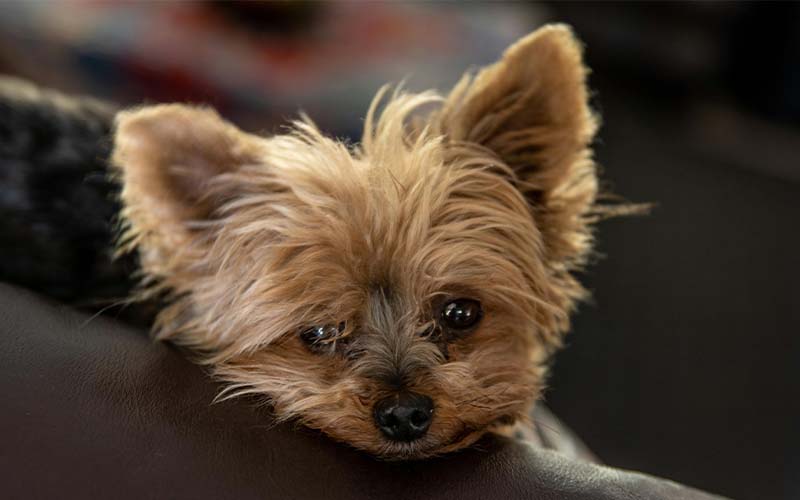
Standing just seven to eight inches tall and weighing no more than seven pounds, the Yorkshire Terrier is the epitome of a portable companion. Their physical appearance is defined by a high-carriage head and a confident, almost regal gait. One of their most striking features is their coat, which is more similar to human hair than traditional animal fur. This fine, silky texture is the reason Yorkies are classified as a hypoallergenic breed, making them an excellent choice for allergy sufferers. Much like the Maltese dog breed, the Yorkie’s coat requires significant maintenance if kept long, but it produces very little dander.
Yorkies are born black and tan, with their coats gradually transitioning into their adult colors over the first two years of life. The standard adult colors include combinations of blue and gold, blue and tan, or black and gold. In the show ring, the blue is a dark steel-blue that extends from the back of the head to the tip of the tail. While their look is synonymous with elegance, it is important to remember that these dogs are sturdy despite their size. However, because they are so small, gentle handling is vital, particularly in households with young children who might accidentally treat them like toys.
Personality: Small Size, Big Attitude
The Yorkie personality is a complex mix of affection and independence. They are deeply devoted to their owners and will often follow them from room to room, earning them a reputation as ‘velcro dogs.’ However, don’t mistake this devotion for submissiveness. Yorkies are famously bossy and will often attempt to run the household if not given clear boundaries. This ‘big dog’ energy can lead to ‘Small Dog Syndrome,’ where the pet becomes overly protective or reactive toward larger dogs. Early socialization is key to ensuring your Yorkie is well-adjusted and confident.
Because they are highly intelligent, Yorkies need regular mental stimulation to prevent boredom-induced behaviors like excessive barking or digging. They thrive on attention and love to be the center of the world. In urban environments, they are hailed as the ultimate city dog. Their size makes them perfect for apartment living, provided they get enough exercise. A daily walk and a few rounds of indoor fetch are usually sufficient to burn off their high energy. Training is generally a smooth process because they are eager to please, though they can be stubborn when it comes to housebreaking. Consistency and positive reinforcement are the most effective tools for a Yorkie owner.
Comprehensive Health and Wellness for Your Yorkie
Yorkshire Terriers are generally a long-lived breed, with an average lifespan of 11 to 15 years. However, like all purebred dogs, they are predisposed to certain genetic health conditions. Understanding these risks early can help you provide the best possible care and potentially extend your pet’s lifespan through proactive management.
- Hypoglycemia: Common in puppies, this is a dangerous drop in blood sugar levels. Symptoms include lethargy and trembling. Feeding small, frequent meals is the best preventative measure.
- Patellar Luxation: This involves the kneecap slipping out of place. While mild cases may not require intervention, severe cases can lead to lameness and might require surgical correction.
- Tracheal Collapse: Yorkies have delicate tracheas. Using a harness instead of a collar for walks can prevent the cartilage rings from weakening, which causes a ‘goose-honk’ cough.
- Dental Issues: Because their mouths are so small, Yorkies often suffer from overcrowded teeth, which leads to rapid tartar buildup and gum disease.
Regular veterinary checkups are essential for monitoring these conditions. It is also important to be aware of systemic health, as toy breeds can sometimes be susceptible to more serious issues. For more information on complex canine health, you can read about heart disease in dogs to understand the signs and symptoms to watch for as your pet ages. Proper nutrition and weight management are the cornerstones of Yorkie health; even one extra pound can put significant strain on their tiny joints and organs.
Expert Review: Is the Yorkshire Terrier Right for You?
Verdict: The Yorkshire Terrier is a high-reward breed for the owner who wants a ‘big personality’ in a small package. They are ideal for singles, seniors, and families with older children who understand how to handle a small dog with care. Their intelligence and portability make them excellent travel companions, but their grooming needs and potential for vocalization require a dedicated owner. If you are looking for a dog that is as brave as a lion but fits in your lap, the Yorkie is an unmatched choice.
Frequently Asked Questions (FAQ)
Do Yorkies shed a lot?
No, Yorkies are considered low-shedding dogs. Their hair grows continuously like human hair, which means it falls out in very small amounts rather than shedding seasonally. This makes them a top choice for people with mild pet allergies.
Are Yorkies good with other pets?
Generally, yes, provided they are socialized early. However, due to their terrier heritage, they may have a high prey drive toward smaller animals like hamsters or birds. They can get along well with other dogs, but they often don’t realize how small they are, so they may challenge larger dogs.
How often should I groom my Yorkie?
If you keep their coat long, daily brushing is required to prevent mats. If you opt for a ‘puppy cut’ (shorter hair), a professional grooming appointment every 6 to 8 weeks is usually sufficient, along with weekly baths at home.
Why does my Yorkie bark so much?
Yorkies are naturally protective and alert. They bark to announce visitors or to communicate their needs. While you can’t eliminate barking entirely, consistent training can help them understand when it is appropriate to be quiet.
Are they hard to potty train?
Small breeds can be more challenging to housebreak due to their small bladders. Using a consistent schedule and positive reinforcement—never punishment—is the best way to achieve success.
Conclusion
The Yorkshire Terrier is a remarkable blend of elegance and grit. From their origins as fierce rat-hunters in the coal mines of England to their status as beloved household companions, they have proven themselves to be versatile, intelligent, and fiercely loyal. While they require a commitment to grooming and consistent training, the love and entertainment they provide in return are well worth the effort. By understanding their unique health needs and honoring their spirited heritage, you can ensure your Yorkie lives a long, happy life as the heart of your home.


