Halloween is a season of transformation. The crisp autumn air fills with the scent of pumpkin spice, neighborhoods are adorned with cobwebs and flickering jack-o’-lanterns, and children prepare their most imaginative costumes. For us humans, it is a time of whimsical fright and sugary delight. However, as a seasoned exotic pet enthusiast and long-time blogger, I have seen first-hand how the magic of October 31st can quickly turn into a nightmare for our non-human companions. Whether you share your life with a playful pup, a curious cat, or even more sensitive exotic residents, the sudden influx of strangers, strange noises, and toxic treats creates a high-risk environment. Understanding the nuances of animal behavior and biology is the first step in ensuring that your celebrations remain festive rather than frantic.
The Dark Side of the Treat Bucket: Understanding Toxic Ingestion
The most immediate and well-known threat during Halloween is the abundance of candy. While we might indulge in a chocolate bar or a handful of gummies without a second thought, these items contain compounds that are fundamentally incompatible with pet physiology. Chocolate toxicity is one of the most common reasons for emergency veterinary visits during the fall. Chocolate contains theobromine and caffeine, both of which are methylxanthines. While humans metabolize these quickly, pets do not. The darker and more concentrated the chocolate (such as baker’s chocolate or dark cocoa), the more dangerous it is. Ingestion can lead to heart arrhythmias, tremors, and even death if not treated promptly.
Perhaps even more insidious than chocolate is Xylitol, a sugar substitute often found in sugar-free gum, mints, and some baked goods. Also known as birch sugar, Xylitol causes a rapid, life-threatening release of insulin in dogs, leading to acute hypoglycemia (low blood sugar). Symptoms can manifest within minutes and include staggering, lethargy, and seizures. If you are planning to host a gathering, creating a pet-friendly home involves more than just hiding the candy bowl; it requires a proactive approach to keeping all human snacks out of paws’ reach.
Glow Sticks, Decorations, and Hidden Chemical Dangers
It isn’t just the food that poses a risk. Halloween decorations are often made of small, ingestible parts that can cause intestinal blockages. Then there are glow sticks, a favorite for trick-or-treaters and party-goers. While the liquid inside a glow stick is generally labeled as non-toxic, it is extremely bitter and irritating. If a cat or dog bites into one, the reaction is often dramatic. You may see excessive drooling, pawing at the mouth, and even vomiting. This is a common occurrence because the neon light is irresistible to a curious feline.
We must also consider the chemicals we use to set the scene. Fog machines, scented candles, and certain artificial dyes can be respiratory irritants, especially for birds and small mammals like guinea pigs. When we look at potentially dangerous household chemicals for your pets, the cleaning supplies used after a messy Halloween party or the additives in fake blood can be just as hazardous as the decorations themselves. Always ensure your pet has a well-ventilated space far removed from the “spooky” atmosphere.
The Psychology of the Spook: Managing Anxiety and Stress
Halloween is an assault on the senses for an animal. The constant ringing of the doorbell, the shouting of “Trick or Treat!”, and the presence of people in masks and costumes can be terrifying. For a dog or cat, a human in a mask is no longer their owner or a friend; they are a strange, faceless intruder. This can trigger a “fight or flight” response, leading to redirected aggression or, more commonly, a pet bolting out the front door.
To mitigate this stress, I always recommend setting up a “safe zone” in a back room. This room should have familiar bedding, low lighting, and perhaps some soft music or a white noise machine to drown out the doorbell. If your pet is particularly prone to anxiety, consult your veterinarian well in advance. They may suggest calming supplements or pheromone diffusers. Remember, a stressed pet is a pet at risk of injury or escape.
What to Do in an Emergency: Recognizing Symptoms
Even with the best intentions, accidents happen. The key to a positive outcome is rapid recognition of symptoms. Dr. Christine Rutter from Texas A&M notes that the signs of intoxication are varied and can range from subtle to severe. If you notice any of the following, do not wait for the morning:
- Vomiting or Diarrhea: These are often the first signs that the body is trying to expel a toxin.
- Clumsiness or Ataxia: If your pet is walking as if they are drunk, they may have ingested alcohol or a drug.
- Difficulty Breathing: This can indicate an allergic reaction or a severe metabolic disturbance.
- Seizures or Tremors: These are neurological red flags that require immediate intervention.
Before an emergency strikes, you should already have a plan. Choosing a veterinarian for your furry friend who offers emergency services or knowing the location of the nearest 24-hour clinic is essential. Keep the number for the ASPCA Animal Poison Control Center (888-426-4435) saved in your phone. They can provide a case number that will help your vet provide specific, life-saving treatment.
People Also Ask: Halloween Pet Safety FAQ
Is pumpkin safe for my pet to eat?
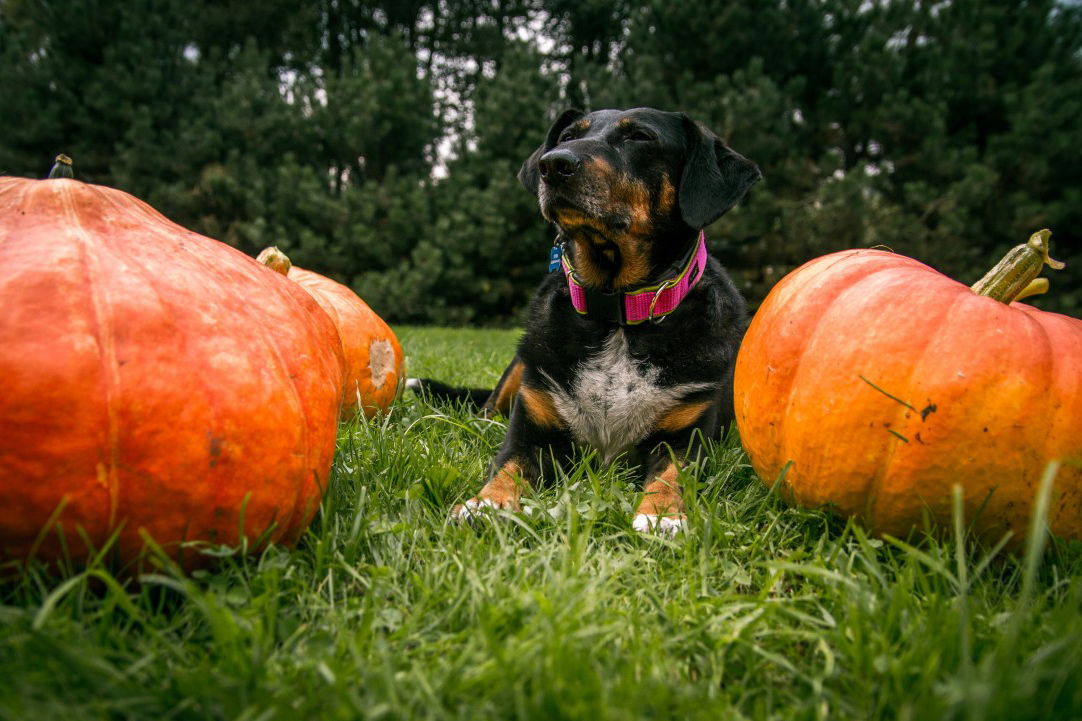
Yes, plain, cooked pumpkin is actually quite healthy for dogs and cats! It is high in fiber and can help with digestion. However, keep them away from raw, decorative pumpkins that may have started to mold, as well as pumpkin pie filling, which contains sugar and spices like nutmeg that can be toxic in large amounts.
Can I put my pet in a costume?
Only if your pet is comfortable and the costume does not restrict their movement, vision, or ability to breathe. Avoid costumes with small dangling parts that can be chewed off and swallowed. If your pet freezes up or tries to chew the costume off, it’s better to stick to a festive bandana.
Why is the doorbell so stressful for pets?
For many dogs, the doorbell is a signal that an intruder has arrived. On Halloween, this signal repeats dozens of times in a single evening, preventing the pet from ever returning to a calm state. This “trigger stacking” can lead to extreme panic or defensive behavior.
Expert Tips for a Hazard-Free Halloween
As someone who has managed multi-pet households for decades, I have developed a checklist that I follow every year. First, I feed my pets a slightly larger meal earlier in the evening; a full belly often makes them less likely to scavenge for dropped treats. Second, I ensure all identification tags and microchip information are up to date. If a pet does slip out the door during a candy exchange, a microchip is their best ticket home.
Third, I designate one person in the household as the “Pet Guardian.” This person is not responsible for the door or the candy; their only job is to monitor the pets and ensure they are comfortable and secure. This prevents the “I thought you were watching them” scenario that so often leads to accidents.
Final Thoughts: A Safe Season for All
Halloween should be a time of joy, not a time of tragedy. By understanding the biological threats posed by treats like chocolate and xylitol, and the psychological impact of costumes and crowds, we can protect our beloved animals. We are their stewards and their protectors. Taking a few hours to pet-proof your home and create a secure environment is a small price to pay for the peace of mind that comes with a healthy, happy pet.
Keep the candy high, the doors secure, and the pets tucked away safely. Let’s make this Halloween a treat for every member of the family, regardless of how many legs they have.


