For many dog owners, the mere mention of the word “vet” is enough to send their furry companions into a flurry of trembling and hiding. However, a trip to the veterinarian doesn’t have to be a traumatic event. Whether you are bringing home a brand-new puppy or caring for a seasoned senior, the environment of a clinical office can be navigated with ease and even excitement. Establishing a positive relationship with medical care is not just about convenience; it is a fundamental pillar of lifelong health. When a dog is calm, veterinarians can perform more thorough exams, leading to better diagnostic outcomes. Conversely, high stress can mask symptoms or skew physiological data like heart rate and blood pressure. By prioritizing a “fear-free” approach, you ensure that your dog receives the highest standard of care without the emotional toll.
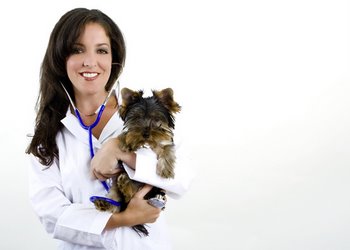
Understanding the Root of Veterinary Anxiety
To solve the problem of vet-related stress, we must first understand why it exists. Dogs are incredibly sensitive to environmental cues. A veterinary clinic is a sensory overload: the scent of antiseptic, the pheromones of other stressed animals, the sound of barking in the back, and the slippery feel of a cold metal scale. According to 2024 veterinary behavioral studies, nearly 40% of dog owners report that their pets show signs of moderate to severe anxiety during clinical visits. This anxiety is often compounded when visits only occur during times of pain or illness. If a dog only sees the vet when they are feeling their worst, they quickly form a negative association with the building and the staff. Breaking this cycle requires a proactive strategy centered on counter-conditioning and desensitization.
The Power of Early Socialization
The most effective time to build a love for the vet is during the critical socialization window of puppyhood. Dr. Jack L. Stephens, a pioneer in the pet insurance industry, famously advocated for immediate socialization the moment a new pet enters the home. Your puppy’s first visit should ideally be a “happy visit”—one involving no needles, no thermometers, and no discomfort. This is the perfect time to implement modern puppy socialization strategies that focus on positive reinforcement. During these initial meetings, the goal is to make the clinic feel like a high-reward playground. Ask the receptionist and technicians to offer high-value treats like freeze-dried liver or squeeze-cheese. When the brain receives these treats, it releases dopamine, which can physically alter the animal’s emotional state from fear to anticipation.
Routine Wellness and Financial Peace of Mind
Regular check-ups are the backbone of preventive medicine. Waiting until an emergency strikes is a recipe for a high-stress encounter for both the pet and the owner. Routine visits every six months allow your vet to catch subtle changes in health before they become crises. This is where pet health insurance plays a crucial role. Many owners feel their own stress levels rise when contemplating the cost of care, a tension that dogs can easily sense. Utilizing a policy with a wellness care option—such as those offered by Pets Best—allows you to focus on your dog’s comfort rather than the invoice. Knowing that you are financially prepared for everything from routine blood work to unexpected surgeries reduces the overall tension in the room. This financial preparedness is especially vital when you start to notice critical warning signs your pet needs an urgent vet visit, as it removes the barrier between your pet and the life-saving care they need.
Strategic “Happy Visits” and Desensitization
You don’t need an appointment to visit the vet. In fact, some of the most productive visits happen when you just stop by to say hello. Call your clinic and ask when their “slow hours” are—typically mid-morning or early afternoon on weekdays. Bring your dog in, let them sniff the lobby, hop on the scale for a quick weight check, and receive a treat from the staff. These short, three-minute interactions build a “bank account” of positive memories. Over time, these positive deposits will outweigh the “withdrawals” made during necessary procedures like vaccinations or blood draws. For dogs that already have a fear of the scale or the exam table, practice these movements at home using a similar surface and heavy rewarding to desensitize them to the physical sensation of being handled in a clinical manner.
Supporting the Senior Dog
As dogs age, they may develop new fears or cognitive changes that make vet visits more challenging. Pain from arthritis can make the car ride or the physical exam more distressing. It is essential to provide comfort for your pet in every stage of life, which might include using orthopedic mats in the car or asking the vet to perform the exam on the floor rather than a high table. Senior dogs also benefit from familiar scents; bringing their favorite blanket or a piece of your clothing can provide a “scent anchor” of safety in an unfamiliar environment. If your senior dog’s anxiety is severe, consult your veterinarian about pre-visit pharmaceuticals or pheromone sprays that can take the edge off their nerves without causing heavy sedation.
Expert Verdict: Why Stress Management Matters
Veterinary professionals increasingly recognize that emotional health is just as important as physical health. The “Fear Free” movement, which has gained massive momentum in 2024, emphasizes that we must treat the “whole pet.” A dog that loves the vet is a dog that will receive better care throughout its life. Owners who take the time to socialize their pets to the clinic environment are not just making their own lives easier; they are actively extending their dog’s lifespan by ensuring that medical intervention is never a source of terror. The combination of early socialization, consistent positive reinforcement, and the safety net of pet insurance creates a trifecta of care that every dog deserves.
Frequently Asked Questions
How often should I take my dog for a “happy visit”?
If you have a puppy or a fearful dog, once a month is ideal. For well-adjusted adult dogs, a quick stop-in every few months is usually enough to maintain their comfort level with the clinic environment.
What should I do if my dog is too aggressive at the vet?
If your dog shows aggression due to fear, never punish them. Instead, work with a professional trainer on muzzle training (using a basket muzzle) and talk to your vet about “low-stress handling” techniques. Sometimes, a mild sedative administered at home before the visit is the kindest way to proceed.
Does pet insurance cover behavioral issues related to vet visits?
Many comprehensive pet insurance plans cover behavioral consultations if the anxiety is diagnosed by a veterinarian. Wellness plans often cover the routine visits used to monitor health, while the insurance itself handles the costs of unexpected illness or injury.
Can I bring my dog’s favorite toy to the exam?
Absolutely! Bringing a familiar toy or a high-value “chewy” can provide a great distraction and comfort. It also helps the veterinary staff see what motivates your dog, making it easier for them to build a bond.
Why does my dog shake even if the vet is nice?
Dogs often react to the “smell of fear” (pheromones) left by other animals. You can help by using a calming pheromone spray on a bandana for your dog to wear or by waiting in your car until the exam room is ready to minimize time in a high-traffic lobby.
Conclusion
Transforming your dog’s opinion of the veterinarian is a journey of patience and consistency. By utilizing high-value rewards, scheduling non-medical visits, and ensuring you have the financial protection of pet insurance, you turn a potentially scary ordeal into a routine part of a happy life. Remember, the goal is not just a healthy dog, but a happy one. Start today by grabbing a bag of treats and heading to the clinic for a simple, five-minute win. Your dog—and your vet—will thank you for it.


