Often referred to as the “Apollo of dogs,” the Doberman Pinscher is a breed that commands respect through its sleek silhouette, powerful gate, and unwavering loyalty. Originally developed in the late 19th century, this breed has evolved from a fierce protector to a beloved family companion that excels in various roles, from search and rescue to therapy work. Despite their somewhat intimidating reputation, Dobermans are known by their owners as “Velcro dogs” for their desire to be constantly by their human’s side. Whether you are a first-time owner or a long-term enthusiast, understanding the nuances of this complex breed is essential for a harmonious household. This guide delves deep into the Doberman Pinscher’s unique characteristics, providing you with the expert knowledge needed to provide them with a fulfilling life.
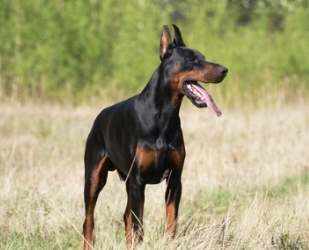
The Origin Story: A Tax Collector’s Protector
The Doberman Pinscher is one of the few breeds named after a specific person. Louis Dobermann, a German tax collector and night watchman in the town of Apolda, sought to create a dog that was both a capable guardian and an athletic companion. Because his work often took him through dangerous areas with large sums of cash, he required a protector that possessed intelligence, stamina, and a formidable appearance. By crossing various breeds—thought to include the Rottweiler, German Pinscher, Great Dane, and Greyhound—he succeeded in creating a versatile working dog.
By the early 20th century, the Doberman’s reputation for excellence in police and military work was cemented. During World War II, the United States Marine Corps adopted the Doberman as their official war dog, using them to lead patrols and detect enemy ambushes. Today, while their “working” duties continue, they are primarily valued as highly trainable and affectionate members of the family.
Temperament and the “Velcro Dog” Phenomenon
If there is one word that defines the Doberman, it is devotion. They are incredibly sensitive to their owner’s emotions and thrive on human interaction. This breed does not do well when left alone for long periods; they require a high degree of social engagement. Without proper mental and physical outlets, a Doberman can become destructive or anxious.
While naturally protective, a well-bred Doberman is not prone to unprovoked aggression. Instead, they are discerning observers of their environment. To ensure they develop a balanced personality, owners must prioritize early socialization. Understanding triggers and prevention for dog aggression is vital for owners of powerful breeds to ensure their pet remains a confident and safe member of the community.
Training and Mental Stimulation Needs
Doberman Pinschers are ranked among the most intelligent dog breeds in the world, often placing in the top five. This high IQ means they learn commands very quickly, but it also means they can become easily bored with repetitive tasks. Training should be based on positive reinforcement, consistency, and clear communication. They respond poorly to harsh corrections, which can damage the bond of trust between dog and owner.
Beyond basic obedience, Dobermans require a “job” to do. This can include agility training, scent work, or advanced trick training. If you do not provide them with a mental challenge, they will likely find their own—which might involve redecorating your living room or digging up the garden. For practical ideas on keeping their sharp minds occupied, owners should explore how to provide your dog with mental stimulation through interactive games and puzzle feeders.
Exercise Requirements: Building an Athlete
This is not a breed for the sedentary owner. A Doberman requires significant daily exercise to maintain their physical health and emotional well-being. A brisk walk around the block will not suffice; these dogs need opportunities to run and burn off steam. Ideally, a Doberman owner should provide at least 60 to 90 minutes of vigorous activity per day.
Failure to meet these exercise needs can lead to obesity and behavioral issues. Because they are highly athletic, they make excellent companions for hikers, joggers, and active families. However, due to their deep chests, owners must be cautious about exercising them immediately after meals to avoid the risk of bloat (GDV).
Health and Longevity: Critical Considerations
While generally robust, the Doberman Pinscher is predisposed to several significant health issues that every owner should be aware of. As of 2024, veterinary data suggests that Dilated Cardiomyopathy (DCM) remains the primary health concern for the breed, affecting an estimated 40% to 58% of the population at some point in their lives. Regular cardiac screenings, including EKGs and ProBNP blood tests, are essential for early detection.
Other common health concerns include:
- Von Willebrand’s Disease: A genetic bleeding disorder that prevents blood from clotting properly.
- Hip Dysplasia: A malformation of the hip joint that can lead to arthritis and mobility issues.
- Hypothyroidism: A condition where the thyroid gland doesn’t produce enough hormones, affecting metabolism.
- Wobbler Syndrome: A neurological condition caused by cervical vertebral instability.
Because these conditions can escalate quickly, it is important to recognize 10 critical warning signs your pet needs an urgent vet visit, such as sudden lethargy, coughing, or difficulty standing.
The Importance of Pet Insurance
Given the breed’s predisposition to costly conditions like DCM and the risk of emergency surgeries for bloat, pet insurance is not just a luxury—it is a critical part of responsible ownership. Comprehensive policies can help cover the costs of diagnostic imaging, lifelong medications, and specialized veterinary care. When choosing a plan, look for coverage that includes hereditary and chronic conditions, ensuring your Doberman has access to the best medical technology throughout their life.
Expert Review and Verdict
Verdict: The Doberman Pinscher is an elite working dog best suited for active, experienced owners who can provide consistent leadership and plenty of affection. They are not recommended for those who spend long hours away from home or lack the time for rigorous training. However, for the right owner, the Doberman offers a level of companionship and security that is virtually unmatched in the canine world. They are strikingly beautiful, intensely loyal, and arguably the most intuitive guardians in existence.
Frequently Asked Questions (FAQ)
Are Doberman Pinschers good with children?
Yes, when raised with children and properly socialized, Dobermans can be excellent family dogs. They are naturally protective and often very patient with “their” kids. However, due to their size and energy, interactions with small children should always be supervised.
Do Dobermans shed a lot?
Dobermans have a short, single coat and are considered moderate shedders. Weekly brushing with a rubber mitt or a soft bristle brush is usually enough to keep their coat shiny and minimize hair in the house.
Can Dobermans live in apartments?
While they are large dogs, they can adapt to apartment living if—and only if—their physical and mental exercise needs are met. They are relatively calm indoors but require multiple vigorous outings every day.
Are they aggressive toward other dogs?
Dobermans can be selective about their canine friends. Some may show dominant tendencies, particularly toward dogs of the same sex. Early and frequent socialization is the key to ensuring they can interact safely with other pets.
What is the average lifespan of a Doberman Pinscher?
The typical lifespan of a Doberman is between 10 and 12 years. Maintaining a healthy weight and staying on top of cardiac health can help maximize their years of life.
Conclusion
The Doberman Pinscher is a masterpiece of canine engineering, blending power, elegance, and intelligence. While they require a significant investment of time and energy, the return on that investment is a loyal protector and a sensitive friend who will truly become a part of your soul. By prioritizing their health through regular vet check-ups and ensuring they are mentally and physically engaged, you can enjoy a long and rewarding journey with one of the most remarkable breeds in the world.


