Dogs are often referred to as our most loyal companions, seamlessly integrating into the fabric of our families. However, even the most affectionate pet can exhibit sudden, alarming behaviors such as growling, snapping, or biting. For many owners, this shift is heartbreaking and confusing. It is vital to recognize that aggression is rarely a sign of a “bad dog.” Instead, it is a sophisticated form of communication—a desperate attempt to convey fear, pain, stress, or deep-seated confusion. As we navigate the complexities of pet ownership in 2024, understanding the nuances of canine behavior has never been more critical. By identifying the underlying triggers of aggression, you can intervene before a situation escalates, ensuring the safety of your community and the emotional well-being of your dog. This guide explores the psychological roots of aggression and provides actionable, science-based strategies for a harmonious household.
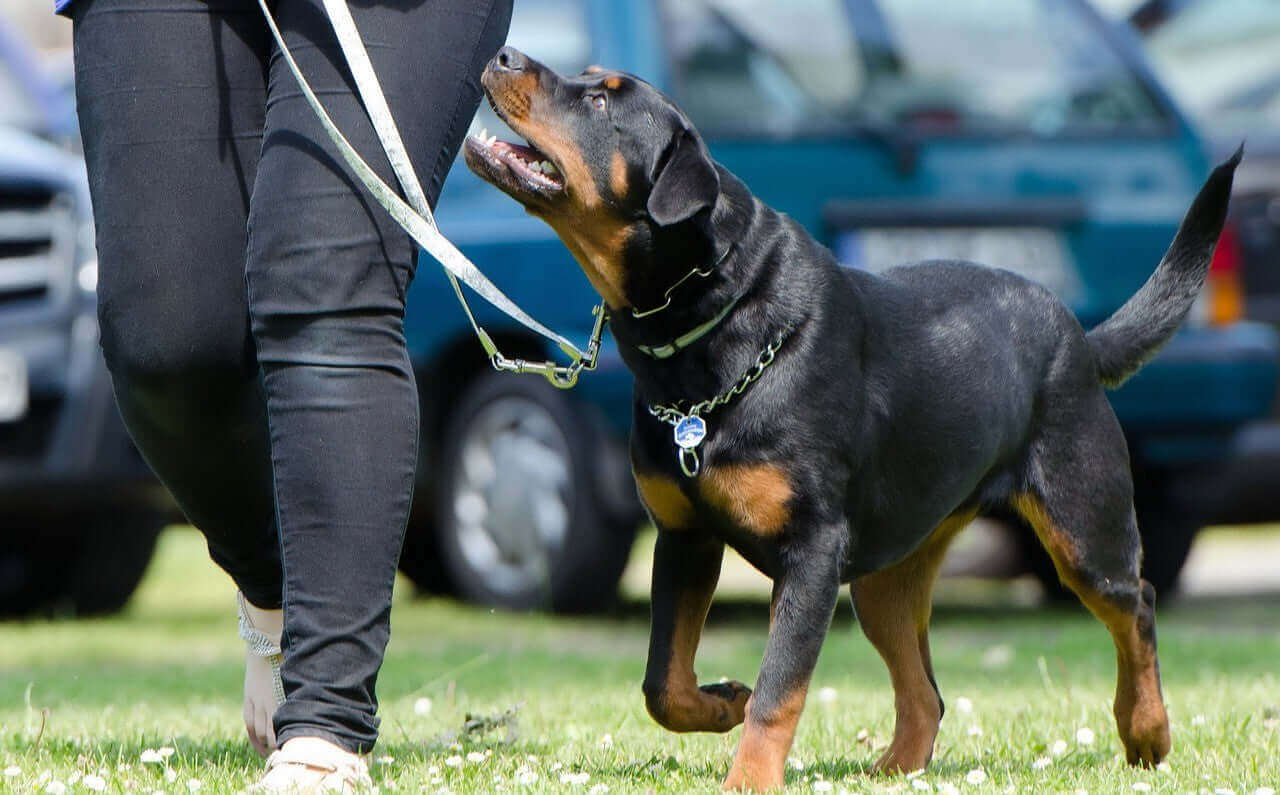
The Anatomy of Canine Aggression: Recognizing the Signs
Aggression does not happen in a vacuum. It is usually the climax of a series of subtle physiological signals that many owners inadvertently overlook. Early warning signs often include stiffened body language, a fixed “hard” stare, or piloerection (the raising of hackles along the spine). Some dogs may emit a low, rumbling growl, while others remain hauntingly silent before a sudden lunge. According to 2024 veterinary data, nearly 80% of aggressive incidents could have been avoided if the owner had recognized the dog’s early “displacement behaviors,” such as lip licking or excessive yawning, which signal mounting internal stress.
Common Triggers and Behavioral Categories
1. Fear-Based Aggression: The “Fight or Flight” Response
Fear is the primary driver of most aggression seen in both shelters and family homes. When a dog feels trapped or threatened, and the option to flee is removed, they resort to the only tool they have left: their teeth. Common triggers include sudden movements, loud noises, or being cornered by strangers. Recent research indicates that fear-based reactivity has risen by 15% in the post-pandemic era, largely due to a lack of socialization during lockdown periods. If your dog growls at a stranger, they aren’t being “mean”; they are asking for space. Punishing this behavior often backfires, as it removes the warning growl and leads to a dog that bites without notice.
2. Pain-Induced and Medical Aggression
A sudden shift in temperament in an adult dog is often a medical red flag. Conditions such as arthritis, hip dysplasia, dental abscesses, and hypothyroidism can make a dog highly irritable. A 2023 study published in the Journal of Veterinary Behavior found that up to 25% of referred aggression cases had an underlying painful medical condition. Before assuming the issue is strictly behavioral, a comprehensive physical exam—including blood work—is essential. Often, once the pain is managed, the aggressive symptoms vanish entirely.
3. The Lack of Socialization
The “Critical Socialization Period” occurs between 3 and 16 weeks of age. Puppies that are not exposed to a diverse array of people, environments, and other animals during this window often view the world through a lens of suspicion. This “stranger danger” mentality can persist throughout adulthood, manifesting as defensive aggression. Modern training emphasizes gradual, positive exposure rather than forced interactions, which can sensitize the dog further.
4. Resource Guarding: Protection of Value
Many owners mistake resource guarding for “dominance,” but it is actually rooted in insecurity. A dog may growl over food, toys, or even their favorite human. This behavior is an evolutionary leftover—protecting what is necessary for survival. To manage this, experts recommend the “trade-up” method: offering a higher-value treat in exchange for the guarded item to build a sense of abundance rather than scarcity.
The Current Landscape: 2024 Statistics and Legal Realities
According to the American Veterinary Medical Association (AVMA), over 4.5 million people are bitten by dogs each year in the United States. In 2024, the legal landscape surrounding dog bites has become increasingly complex. Victims frequently seek the counsel of a dog bite attorney to recover damages for medical bills and psychological trauma. For owners, the stakes are high—not just financially, but emotionally, as severe incidents can lead to mandatory euthanasia orders. Prevention is the only truly effective legal and ethical defense.
A Comprehensive 8-Step Prevention Plan
1. Prioritize Veterinary Diagnostics
Rule out biological causes first. Hidden ear infections or hormonal imbalances can turn a sweet dog into a reactive one. A vet visit provides the baseline for any behavioral modification plan.
2. Strategic Socialization
Socialization isn’t just about meeting people; it’s about building neutrality. Aim for your dog to be calm and indifferent to their surroundings rather than overly excited or fearful. Short, positive sessions with high-value rewards are more effective than long, stressful outings.
3. Implementation of Positive Reinforcement
Modern behavioral science has largely debunked the “alpha dog” theory. Punishment-based training (using shock collars or physical corrections) has been shown to increase the risk of a bite by 2.2 times. Instead, reward the behaviors you want to see. Dogs learn faster and feel safer when training is based on trust rather than fear.
4. Environmental Management
Set your dog up for success by controlling their environment. If they bark at the mailman, use frosted window film. If they are nervous around guests, provide a safe, quiet “crate zone” in a separate room. Managing the environment reduces the dog’s overall cortisol levels.
5. Mental Enrichment and Stimulation
A bored dog is a destructive and often reactive dog. Incorporate nose work, puzzle feeders, and lick mats into their daily routine. Mental fatigue can be just as effective as physical exercise in reducing irritability.
6. Detailed Behavior Logging
Keep a journal of your dog’s reactions. Note the time, weather, presence of specific triggers, and even your own mood. Patterns often emerge—such as aggression being higher in the evening when the dog is tired—allowing you to adjust your schedule accordingly.
7. Consulting Professional Behaviorists
If safety is a concern, do not DIY. Seek out a Certified Applied Animal Behaviorist (CAAB) or a Veterinary Behaviorist. These professionals can prescribe behavioral medications if necessary and create a customized desensitization plan.
8. Assessing Hormonal Impacts
While not a magic bullet, spaying or neutering can sometimes reduce roaming and competitive aggression, particularly in males. Discuss the timing with your vet, as 2024 research suggests that for some breeds, waiting until physical maturity is reached is better for overall health.
Case Study: The Rehabilitation of ‘Buster’
Consider the case of Buster, a 3-year-old rescue who displayed severe territorial aggression. His owners initially tried “dominance” training, which resulted in Buster biting his owner. After switching to a positive reinforcement protocol and identifying a hidden case of chronic dental pain, Buster’s behavior shifted. By using “Counter-Conditioning”—where the mailman’s arrival signaled a rain of steak bits—Buster began to associate the trigger with a positive outcome. Today, he is a calm household member, proving that with the right approach, recovery is possible.
Expert Verdict: The Path Forward
Aggression is a symptom, not a personality trait. The consensus among top veterinary behaviorists in 2024 is that empathy combined with structure is the most effective path to rehabilitation. As owners, our responsibility is to be our dogs’ advocates—protecting them from triggers they cannot handle and providing the training they need to navigate a human-centric world.
Frequently Asked Questions (FAQ)
Are certain breeds naturally more aggressive?
While genetics can influence traits like drive and protective instincts, aggression is largely an individual behavior shaped by socialization, health, and environment. Breed-specific legislation is increasingly being replaced by “dangerous dog” laws that focus on individual behavior.
Can I fix aggression myself?
Minor reactivity can often be managed with consistent training. However, if your dog has a history of skin-breaking bites, you should always consult a professional to ensure the safety of everyone involved.
Will my dog ever be 100% ‘cured’?
In behavioral science, we prefer the term “managed.” While many dogs can become perfectly safe and relaxed, owners should always remain aware of their dog’s specific triggers to prevent regression.
Does diet affect aggression?
Emerging research suggests a link between gut health and behavior. High-quality diets rich in Omega-3 fatty acids may help support a calmer nervous system, though diet alone is rarely a total fix.
Conclusion
Understanding dog aggression is a journey of patience, observation, and compassion. By addressing the root causes—whether they be medical, fear-based, or environmental—you provide your pet with the tools they need to succeed. Remember, your dog isn’t giving you a hard time; they are having a hard time. With the right intervention and professional support, most dogs can overcome their struggles and remain a safe, beloved part of the family for years to come.


