As the old saying goes, you don’t get a second chance to make a good first impression. This timeless wisdom is never more relevant than when you are navigating the intricate social world of the domestic feline. Unlike the enthusiastic, tail-wagging greeting you might expect from a happy-go-lucky Labrador Retriever, cats are notoriously independent and highly selective about their social circles. Each cat you meet is a unique individual with its own history, personality, and comfort level regarding human interaction. Whether you are visiting a friend’s pet, volunteering at a shelter, or bringing a new family member home, the way you approach that first meeting sets the stage for your entire future relationship. Fortunately, while cats can be discerning, earning their trust and affection is a deeply rewarding experience. By mastering the art of feline etiquette, you can transform a hesitant stranger into a lifelong companion. In this comprehensive guide, we will explore six professional tips for successfully introducing yourself to a new cat.
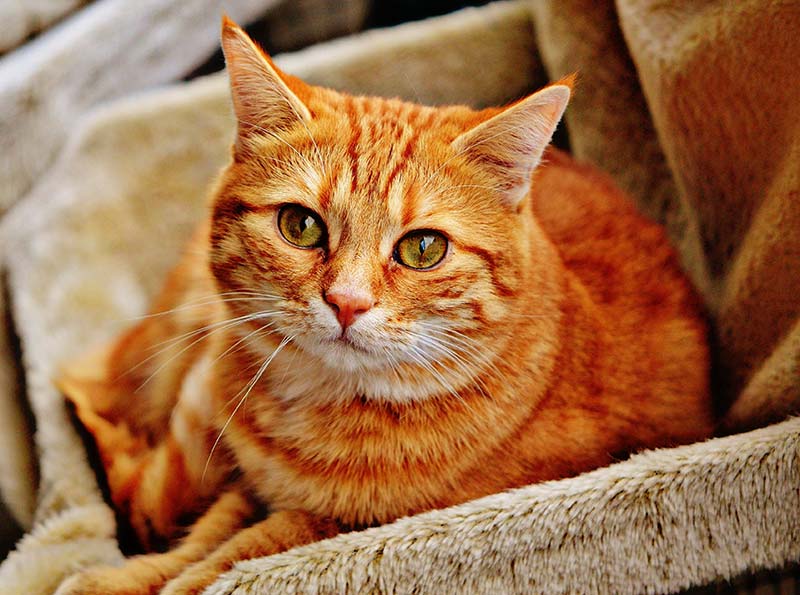
1. Do Your Homework: Understanding the Feline’s Background
Before you ever reach out a hand, the first step in a successful introduction is information gathering. If possible, speak with the owner or a shelter staff member about the cat’s temperament and history. Feline behaviorists often note that a cat’s past experiences—whether they were well-socialized as kittens or lived a more feral lifestyle—heavily dictate their reaction to strangers. In 2024, many animal shelters have adopted “Fear-Free” certification standards, providing detailed personality profiles that can tell you if a cat is a “social butterfly” or a “wallflower.”
Keep in mind that cats generally do not tolerate sudden movements, loud noises, or the feeling of being trapped. If the cat you are visiting decides to retreat under a sofa or high onto a shelf, do not chase after it. Forcing an interaction is the fastest way to damage trust. Instead, respect their need for a “safe zone.” Once the cat has had time to observe you from a distance and process your scent and energy, they may become curious enough for a second, more successful attempt at meeting. Understanding these nuances is a key part of the art of cat communication, where listening is just as important as speaking.
2. Practice the Art of Low-Pressure Interaction
Being overly assertive is a common mistake when meeting a new feline. Humans are often tempted to walk directly toward a cat, stare into its eyes, and reach down for a pat. In cat language, this can be interpreted as predatory or aggressive behavior. To be successful, you must be calm, patient, and passive. Let the cat dictate the pace of the encounter. If you are sitting on the floor, you appear much less intimidating than if you are standing over them.
Observe the cat’s behavior closely. Are they watching you with wide, curious eyes, or are they shrinking back? If you manage to ingratiate yourself and the cat eventually chooses to walk away, accept the cue gracefully. Overstaying your welcome during a first meeting can lead to overstimulation or “petting-induced aggression.” By maintaining a low-pressure environment, you signal to the cat that you are a safe, non-threatening presence in their territory.
3. The “Scent Handshake”: Extend Your Hand CorrectLY
The most effective way to officially “meet” a cat is through their primary sense: smell. Instead of reaching for the top of the head—which can be scary for a cat as your hand blocks their vision—get down to their level and slowly extend a single finger or the back of your hand. Keep your hand still; do not wave it or thrust it toward their face. This is the feline equivalent of a handshake.
By allowing the cat to investigate your scent on their own terms, you provide them with the information they need to feel comfortable. If the cat accepts your gesture, they may rub their cheek against your finger or lean their shoulder into your hand. These are marking behaviors; the cat is essentially placing their scent on you, claiming you as a “friendly” entity. Once this happens, the cat is likely ready for gentle physical affection, usually starting around the chin or the base of the ears.
4. Deciphering Body Language and Vocalizations
While a purring cat is often a happy cat, it is important to look at the whole picture. Feline communication is complex. Most cats enjoy having the sides of their face stroked or their foreheads massaged, as these areas contain scent glands. However, some cats may offer their belly as a sign of trust, but this is often a “trap”—they are showing they trust you, not necessarily asking for a belly rub. If a cat feels particularly relaxed, they may engage in “kneading” or “making biscuits,” which is a carry-over from kittenhood comfort.
Managing the stress of a new environment or a new person is vital. Much like the techniques used for expert strategies for feline comfort during vet visits, you should look for signs of relaxation like the “slow blink.” If a cat looks at you and slowly closes and opens its eyes, they are telling you they feel safe. Mirroring this gesture back is a powerful way to communicate peace and affection in their own language.
5. Using High-Value Incentives
If you want to speed up the bonding process, find out what the cat truly loves. Every cat has a “price,” whether it is a specific brand of lickable treat or a feather wand toy. If the owner gives you the green light, use these items to create a positive association with your presence. An interactive toy allows the cat to engage with you from a safe distance, focusing their energy on the “prey” (the toy) rather than the “stranger” (you).
Treats should be offered at a slight distance initially. Tossing a treat toward the cat allows them to enjoy a reward without feeling forced to enter your personal space. As they become more comfortable, they will naturally move closer to you to receive the reward. This positive reinforcement is a cornerstone of modern animal behavior modification and works wonders for even the most timid felines.
6. Respecting “No” and Knowing When to Stop
Consent is critical in the feline world. If a cat shows signs that they would rather not be bothered, you must respect those wishes immediately. Negative cues to watch for include:
- Hissing or growling: Clear auditory warnings to back off.
- Flattened or twitching ears: Signs of irritation or fear.
- A thumping or lashing tail: A signal of rising agitation.
- Dilated pupils: Indicating a state of high alert or fear.
Expert Verdict: The Secret to Feline Friendship
The consensus among veterinary professionals and behaviorists is that patience is the ultimate tool. You cannot rush a cat into a friendship. By combining a deep understanding of body language with a respectful, scent-based approach, you position yourself as a high-value, low-threat individual. Remember that a cat’s trust is earned, not given, and the slower you go at the beginning, the faster the bond will form in the long run.
Frequently Asked Questions (FAQ)
How long does it take for a cat to trust a new person?
The timeline varies significantly depending on the cat. Some socialized cats may trust you within minutes, while traumatized or shy cats may take weeks or even months. Consistency and short, positive interactions are key to speeding up the process.
Why does the cat hiss at me even if I am being nice?
Hissing is often a fear response rather than an act of aggression. The cat is simply saying, “I am overwhelmed and need space.” It is not a reflection of your personality, but rather the cat’s current state of anxiety.
Is it okay to pick up a cat I just met?
Generally, no. Most cats find being picked up by a stranger to be very threatening because it removes their ability to flee. Wait until the cat is consistently seeking out your affection and rubbing against you before attempting to lift them.
What does it mean when a cat blinks slowly at me?
This is often called a “cat kiss.” It is a sign of extreme trust and relaxation. By closing their eyes, the cat is signaling that they do not perceive you as a threat. You should always try to slow-blink back!
Can I use catnip to make a new cat like me?
Catnip can be a great icebreaker for the roughly 60-70% of cats who react to it. However, some cats can become hyper-aroused or even aggressive under the influence of catnip, so it is best to check with the owner first.
Conclusion
Introducing yourself to a new cat is a delicate dance of psychology, scent, and respect. By following these six tips—researching their background, staying low and calm, offering a scent handshake, reading body language, using treats, and respecting boundaries—you are well on your way to becoming a favorite human in the feline world. While it may take more effort than greeting a dog, the unique and profound bond shared with a cat who has chosen to trust you is one of the most rewarding experiences a pet lover can have. Stay patient, stay observant, and let the cat lead the way toward a beautiful new friendship.


