If you share your home with a rabbit, guinea pig, ferret, or hamster, you already understand the unique dynamic these creatures bring to a household: immense joy punctuated by the constant challenge of habitat maintenance. For the modern pet parent, the goal isn’t just to keep a pet alive; it’s to provide an environment where they can thrive, forage, and rest comfortably. Achieving this requires a sophisticated understanding of the tools at your disposal, specifically the distinction between bedding and litter. While these terms are often used interchangeably in casual conversation, they serve vastly different biological and sanitary purposes. Mastering the synergy between a soft substrate for nesting and a specialized material for waste management is the secret to a fresh-smelling home and a biologically satisfied pet. As we move into 2024, the pet care industry has seen a massive shift toward natural, reclaimed materials that prioritize respiratory health and environmental sustainability over traditional, dusty alternatives.
Understanding the Biological Roles: Bedding vs. Litter
To optimize your pet’s habitat, you must first think like a small mammal. In the wild, these animals have distinct areas for different activities. Bedding is effectively your pet’s mattress and carpet. It is designed for comfort, thermoregulation, and psychological security. For many small pets, bedding isn’t just a floor covering; it’s a medium for burrowing, nesting, and hiding. High-quality bedding should be soft enough to protect sensitive paws from pododermatitis (bumblefoot) and absorbent enough to handle surface spills while remaining dry to the touch.
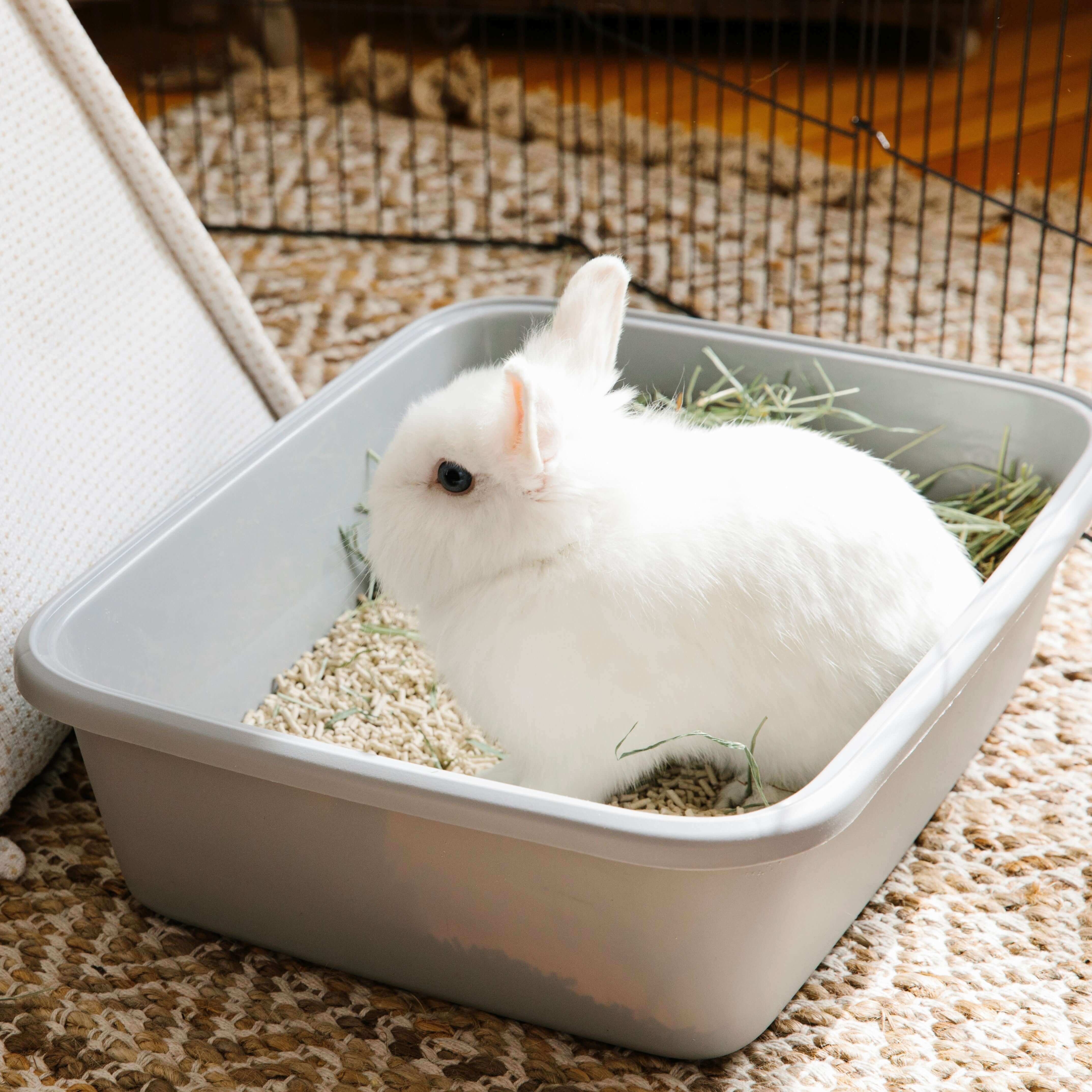
Litter, conversely, represents the designated “bathroom zone.” Its primary functions are high-capacity absorption and aggressive odor neutralization. Litter is typically denser than bedding and is placed in a concentrated area, such as a corner litter box. By separating these two zones, you encourage your pet’s natural instinct to keep their sleeping area clean, which significantly reduces the frequency of full-cage deep cleans. Data from recent 2023-2024 pet ownership surveys suggest that owners who implement a “dual-zone” system report a 40% reduction in weekly cleaning time and a noticeable decrease in ambient ammonia levels within the home.
The Rabbit Blueprint: Litter Training and Safety
Rabbits are remarkably intelligent and naturally clean, making them excellent candidates for litter training. However, their curious nature means they often nibble on their substrate, making material choice critical. For the main living area, natural paper bedding is the gold standard. It provides a soft surface for their large hind feet and mimics the soft earth of a natural burrow. For the litter box, many experts recommend high-density paper pellets or wood fiber-based litters. These materials can hold several times their weight in liquid, locking away the ammonia that can irritate a rabbit’s sensitive lungs.
A crucial safety warning for 2024: Avoid traditional clay or clumping cat litters at all costs. If a rabbit ingests clumping litter, it can cause a fatal intestinal blockage. Furthermore, the dust from clay litters can trigger chronic respiratory distress. Stick to sustainable, non-toxic options like carefresh Rabbit & Ferret Litter, which is specifically engineered to be safe for curious chewers while providing up to 10 days of odor control.
Guinea Pigs and Hamsters: Softness and Depth
Guinea pigs have very different needs compared to rabbits. They do not typically “litter train” in the traditional sense, though they will often prefer certain corners. For these pets, the emphasis must be on ultra-soft bedding. Guinea pigs have delicate foot pads that are prone to sores if kept on hard or damp surfaces. Utilizing a thick layer of sustainable paper fiber bedding allows for maximum moisture wicking, keeping the top layer dry while the absorbent core manages waste.
Hamsters, on the other hand, are the engineers of the small pet world. For a hamster, bedding is a construction material. In 2024, the trend in hamster husbandry has moved toward “deep bedding”—providing at least 6 to 10 inches of substrate. This allows hamsters to engage in natural burrowing behavior, which has been shown in veterinary studies to significantly reduce stress levels and stereotypies (repetitive negative behaviors). Avoid using litter as a primary substrate for hamsters; its texture is too dense for tunnel stability and can be abrasive to their tiny limbs.
Ferrets: Cleanliness in a High-Energy Environment
Ferrets are obligate carnivores with a high metabolic rate, which means they go to the bathroom frequently. Fortunately, they are also creatures of habit and will almost always choose a corner for their business. This makes a dedicated litter box essential. Because ferrets are prone to respiratory infections and adrenal issues, using a dust-free litter is non-negotiable. Many ferret owners are now switching to reclaimed wood or paper pellets that don’t track out of the box, keeping the rest of the play area clean. For their sleeping quarters, soft, fleece-like paper bedding provides the perfect “nest” for their long naps between play sessions.
The Science of Air Quality: Why Natural Matters
Small pets have respiratory systems that are far more sensitive than those of humans or even dogs. A 2024 focus on “clean air habitats” highlights the dangers of volatile organic compounds (VOCs) found in certain wood shavings. Aromatic oils like those found in cedar and unkiln-dried pine can cause liver enzyme changes and respiratory irritation in rodents and rabbits. By choosing natural paper and wood fiber beddings, you are ensuring:
- Low Dust Levels: Minimizing the particles that can lead to sneezing, runny eyes, and chronic lung issues.
- Natural Odor Control: Using the structural properties of fiber to trap odors rather than masking them with artificial perfumes.
- Biodegradability: Ensuring that your pet’s waste doesn’t sit in a landfill for centuries. Most paper-based beddings are now fully compostable.
Expert Review: The Case for Paper Fiber
Veterinary specialists and animal behaviorists increasingly favor products like carefresh® natural paper bedding. Why? Because it is manufactured from reclaimed fiber that would otherwise go to waste, but it is processed specifically to be pet-safe. In a recent comparison of bedding types, paper fiber outperformed aspen shavings and straw in both moisture absorption and ammonia suppression. Users report that while the initial cost might be slightly higher than bulk wood shavings, the longevity of the product—staying fresh for up to 10 days—actually makes it more cost-effective over a fiscal year.
Frequently Asked Questions
Can I use cat litter for my small pet?
Generally, no. Most cat litters are made of clay or contain silica and fragrance, which are harmful to small mammals. Specifically, clumping cat litter is a major ingestion hazard. Always choose litters specifically labeled for small pets or rabbits.
How often should I change the bedding?
While high-quality bedding like carefresh can last up to 10 days, you should perform “spot cleans” daily. Remove soiled litter and damp patches of bedding to maintain a hygienic environment. A full change is typically recommended once a week, depending on the size of the habitat and the number of pets.
Is wood bedding safe?
Aspen is the only widely recommended wood shaving because it is hardwood and lacks the toxic phenols found in cedar and pine. However, paper-based bedding remains superior for softness and absorption.
Can I mix bedding and litter?
Yes! In fact, many owners use a layer of wood pellets (litter) at the very bottom of the cage for maximum absorption, covered by a thick, plush layer of paper bedding for comfort. This “layering” technique is highly effective for odor control.
Conclusion
Creating the perfect home for your small pet is a balance of science and comfort. By distinguishing between bedding for sleep and litter for hygiene, you respect your pet’s natural instincts and simplify your own cleaning routine. Investing in high-quality, sustainable materials like natural paper fiber isn’t just a luxury—it’s a commitment to the long-term health and happiness of your furry companion. A clean habitat leads to a healthier respiratory system, fewer vet visits, and a much closer bond between you and your pet. Choose materials that are soft, absorbent, and planet-friendly to ensure your small pet lives their big life to the fullest.


