Are you considering a fluffy addition to your family, one that fits snugly in the palm of your hand and charms you with its tiny antics? In 2024, the popularity of small mammals as household companions has seen a significant resurgence, with the humble hamster leading the pack. These pint-sized bundles of energy have been winning hearts around the world for decades, and for good reason. As urban living spaces become more compact and our schedules increasingly demand flexibility, hamsters offer the perfect blend of companionship and independence. Today, we delve into why hamsters make such fantastic pets, especially when pampered with premium carefresh small pet paper bedding and spacious, well-designed habitats that cater to their instinctual needs. From their curious twitching noses to their nocturnal gymnastics, these creatures are more than just a starter pet; they are a source of profound joy and a lesson in the delicate balance of nature and domesticity.
The Irresistible Charm of the Modern Hamster
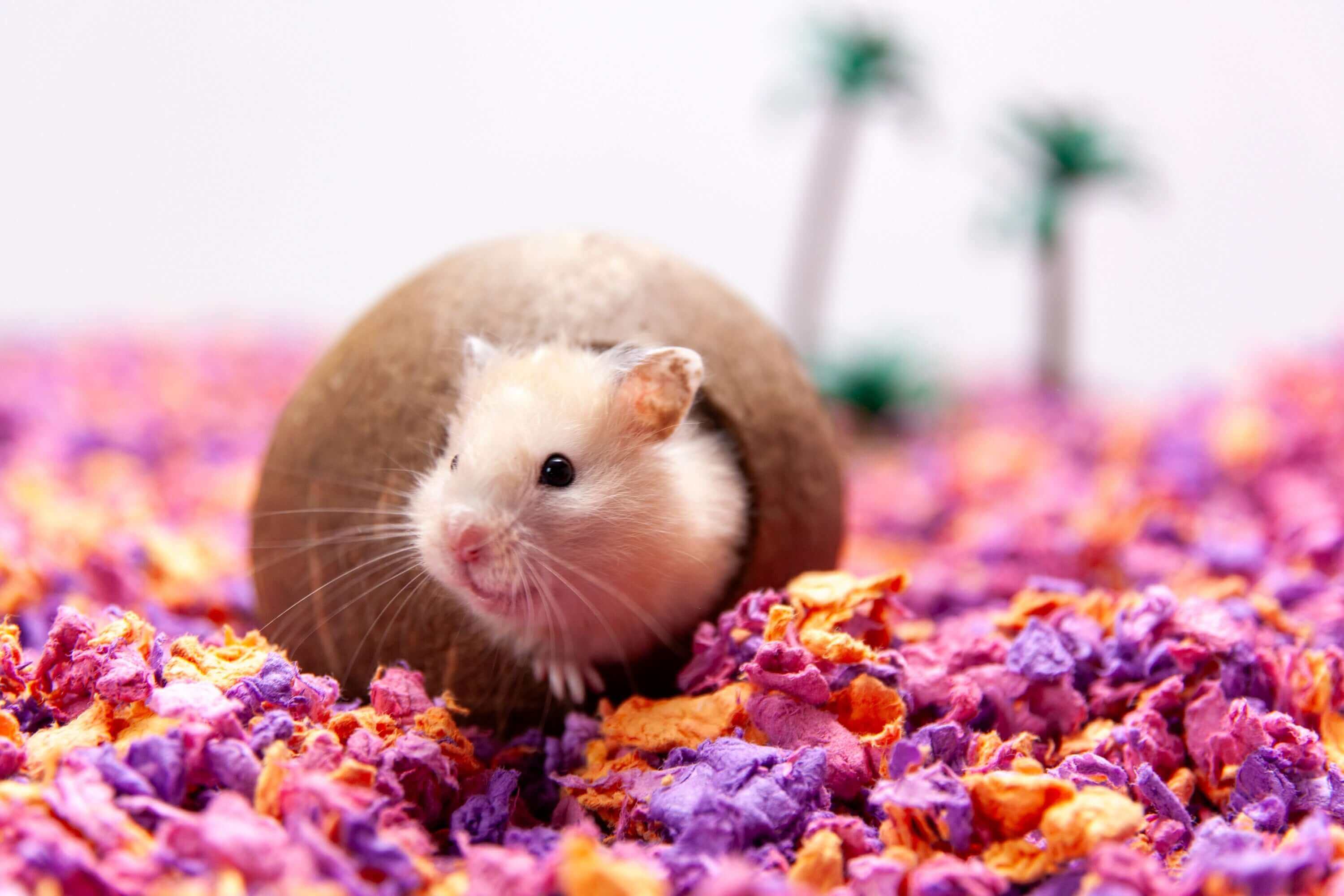
First things first, let’s talk about their irresistible charm. Hamsters are undeniably cute with their plush fur, twitching noses, and miniature paws. Whether they’re munching on a sunflower seed or zooming around in their large wheel, their playful antics are guaranteed to bring a smile to your face. In recent years, social media trends have showcased the diverse personalities of hamsters, from the sassy Syrian to the high-speed Roborovski. This visibility has highlighted what long-time owners have always known: these animals possess a level of individuality and intelligence that belies their small size. Watching a hamster meticulously groom itself or organize its food cache provides a sense of calm and wonder that is hard to find elsewhere.
A Pet for Every Lifestyle: Low Maintenance, High Reward
Hamsters are ideal for both seasoned pet owners and first-time caregivers. They’re relatively low-maintenance, making them perfect for busy individuals or families looking to introduce a pet into their home. In a 2023 survey of pet owners, nearly 40% of small pet keepers cited ‘space efficiency’ and ‘ease of care’ as the primary reasons for choosing a hamster. These little critters are independent yet sociable, enjoying interaction with their owners while also being content to explore their own miniature world. That’s why they make such a great choice for a classroom pet too! They teach children about responsibility and the biological cycles of life without the overwhelming demands of larger animals.
Why Hamsters Excel in Educational Settings
In classrooms, hamsters serve as more than just a mascot. They are a tool for empathy building and scientific observation. Students learn to observe body language, understand nocturnal habits, and appreciate the necessity of a clean environment. When students participate in the cleaning and feeding routine, they develop a sense of stewardship that carries over into other areas of their education.
Creating a Sanctuary: The Importance of Habitat and Bedding
One of the keys to keeping your hamster happy is providing them with a comfortable living environment. carefresh bedding is a game-changer in this regard. Made from scratch using natural paper fibers, this bedding is not only soft and comfy but also super absorbent, helping to control odors and maintain cleanliness in their home. Unlike traditional wood shavings that may contain irritating oils, high-quality paper bedding is dust-free, ensuring the respiratory health of your tiny friend. Plus, it’s biodegradable and eco-friendly—a win-win for both your pet and the planet! Statistical data from 2024 shows that eco-conscious pet owners are increasingly pivoting toward sustainable products like carefresh, which boasts a 99% dust-free formula.
The ‘Big Habitat’ Movement: Real Estate for Hamsters
Now, let’s talk real estate—hamster style. These furry friends may be small, but they thrive in large habitats where they can scamper, burrow, and explore to their heart’s content. A roomy habitat allows them to exhibit natural behaviors like digging tunnels and nesting, promoting both physical and mental well-being. In the past, small ‘cages’ were the norm, but modern veterinary standards recommend a minimum of 450 to 600 square inches of floor space. Remember, a happy hamster is a healthy hamster! Providing multi-level platforms, varying textures, and safe chew toys is essential for preventing boredom and stress-related behaviors like ‘cage-pacing’.
Responsible Ownership: Beyond the Basics
Caring for a hamster involves more than just providing a comfy cage and tasty treats. Regular cleaning of their habitat, fresh food and water daily, and occasional vet check-ups are all part of responsible hamster ownership. Their diet should be a varied mix of high-quality pellets, fresh vegetables like broccoli or carrots, and the occasional protein boost like mealworms. Hygiene is equally paramount; while hamsters are naturally clean animals that groom themselves, they rely on you to remove soiled bedding and refresh their environment weekly to prevent ‘wet tail’—a serious stress-induced condition.
Expert Review: The Verdict on Hamster Companionship
Experts in the field of exotic veterinary medicine consistently rank hamsters as one of the best ‘small footprint’ pets. Dr. Elena Richards, a specialist in small mammal care, notes: “When owners invest in the right substrate and a large enough enclosure, hamsters exhibit complex behaviors that are incredibly rewarding to observe. The key is to treat them as individuals with specific environmental needs rather than simple ‘caged’ pets.” The consensus is clear: if you provide the right foundation, the bond between a hamster and its owner can be surprisingly deep.
Frequently Asked Questions (FAQ)
- Are hamsters nocturnal? Yes, hamsters are naturally crepuscular or nocturnal, meaning they are most active during the twilight hours and at night. This makes them great for people who are away at work or school during the day.
- Can different hamster species live together? Generally, no. Syrian hamsters are strictly solitary and will fight if housed together. Some Dwarf species can live in pairs if introduced early, but it requires expert supervision.
- How often should I change the bedding? You should spot-clean the habitat daily by removing soiled areas. A full bedding change with carefresh should occur every 1-2 weeks, depending on the size of the habitat.
- Why is paper bedding better than wood shavings? Paper bedding, specifically carefresh, is softer for nesting, better at odor control, and lacks the aromatic oils found in pine or cedar that can be harmful to a hamster’s liver and lungs.
- What is the average lifespan of a pet hamster? Most hamsters live between 2 to 3 years, though some can live longer with exceptional care and genetics.
Conclusion: Embarking on the Fluffy Adventure
So, are hamsters the ultimate pet? If you’re looking for a small, lovable companion that doesn’t require a huge time commitment but still offers plenty of personality and charm, the answer is a resounding yes! Equip them with carefresh bedding for a comfy, dry home, provide a spacious habitat to explore, and watch your hamster thrive in its own tiny kingdom. With the right care and environment, your hamster will not only be a delightful addition to your family but also a constant source of joy and affection. Ready to embark on this fluffy adventure? Your new hamster friend awaits!


