Introduction: The Emotional Shift in Veterinary Medicine
When a frightened dog refuses to enter a veterinary clinic or a cat hides in the furthest corner of its carrier during an exam, these moments reveal a critical truth: traditional animal care approaches have historically overlooked the emotional and psychological needs of our patients. According to the American Veterinary Medical Association’s (AVMA) 2024 Wellness Study, over 78% of pet owners report their animals show visible signs of stress during veterinary visits. Yet, surprisingly, only 43% of veterinary practices have implemented comprehensive, codified stress-reduction protocols. This disconnect matters more than ever as pet ownership reaches record highs and our understanding of animal cognition and sentience deepens significantly.
The veterinary industry is currently experiencing a profound paradigm shift toward compassionate animal care—an approach that recognizes animals as sentient beings deserving of empathy, respect, and individualized treatment. Many pet owners today are searching for a reliable animal hospital near Verona that reflects these evolving values. Modern full-service animal hospitals are leading this transformation by moving beyond basic medical diagnostics to embrace holistic practices that address the complete well-being of their patients. By prioritizing the mental state of the animal alongside their physical health, we are entering a new era of veterinary excellence where the ‘white coat syndrome’ for pets is systematically dismantled.
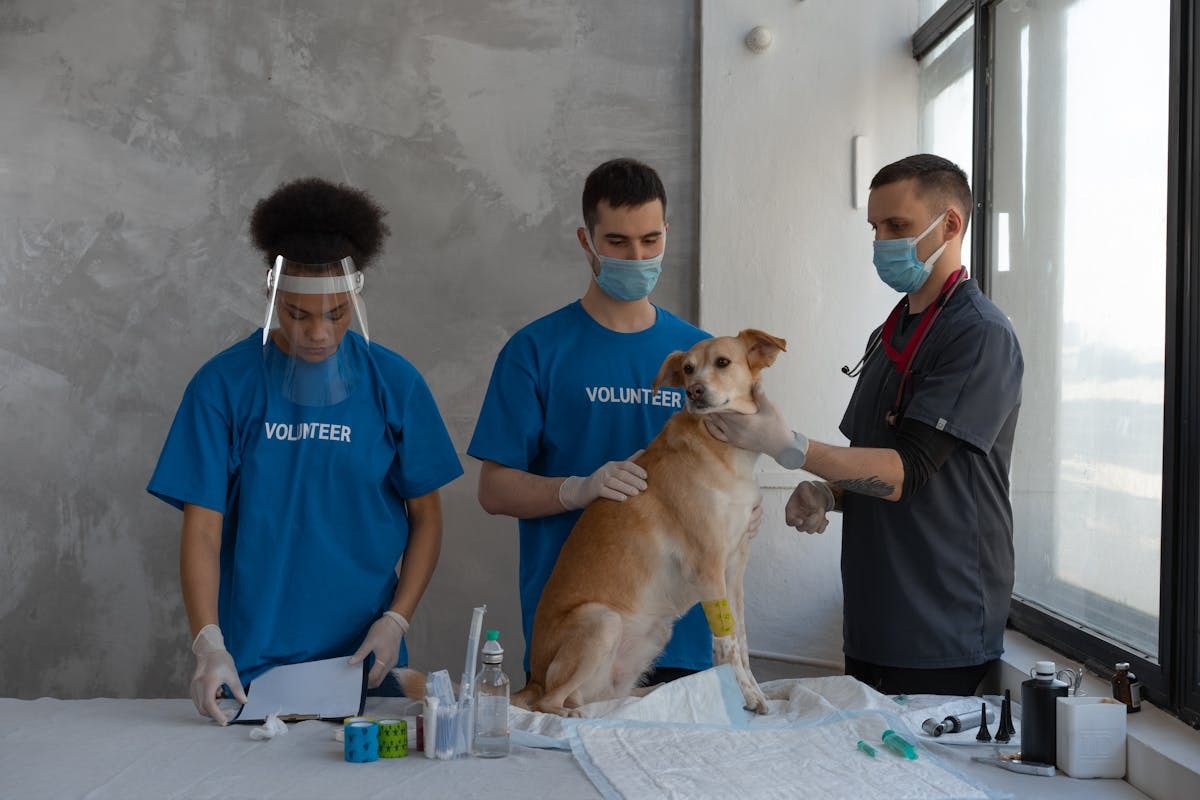
The Science and Statistics of Compassion
The stakes of this shift extend far beyond individual comfort. Research from Colorado State University’s Veterinary Teaching Hospital demonstrates that animals receiving compassionate, low-stress care show 34% faster recovery times and significantly reduced cortisol levels compared to those treated with conventional, high-restraint methods. For veterinary professionals, this represents more than just a ‘feel-good’ metric; it is a fundamental evolution in clinical outcomes. When an animal is stressed, their immune system is suppressed, their blood pressure spikes, and their pain threshold drops, making every medical intervention less effective and more dangerous.
Compassionate animal care is built on three foundational principles: Empathy, Respect, and Welfare-First Thinking. Empathy requires practitioners to actively consider the animal’s perspective—understanding that a routine vaccination feels like a predatory threat to a nervous puppy. Respect acknowledges each animal as an individual with unique communication styles, moving away from rigid, one-size-fits-all handling. Welfare-first thinking ensures that every decision, from scheduling to surgical recovery, prioritizes the animal’s psychological state, even if it requires more time or resources.
The Fear Free Initiative and Environmental Design
The concept of compassionate care gained significant momentum through the Fear Free initiative, which has now standardized these principles across the globe. With over 40,000 certified veterinary professionals, the movement focuses on how environmental modifications can reduce baseline stress. Today’s state-of-the-art hospitals are designed with species-specific needs in mind. This includes separate waiting areas for dogs and cats to prevent predator-prey stress responses, non-slip flooring to provide secure footing for arthritic or anxious pets, and the use of synthetic pheromones (like Feliway or Adaptil) that mimic calming scents.
Research published in the Journal of Veterinary Behavior (2023) found that cats experiencing low-stress handling during routine exams had cortisol levels 45% lower than those handled with traditional restraint. These environmental tweaks can reduce a pet’s baseline anxiety by up to 40% before a veterinarian even enters the room. By asking “How do we help this animal feel safe?” instead of “How do we make this animal comply?”, practitioners transform the clinical setting from a place of trauma into a place of healing.
Advanced Handling: From Restraint to Cooperation
One of the most significant changes in compassionate care is the move toward cooperative care techniques. Traditional methods often involved multiple technicians physically pinning an animal down for a simple blood draw. While efficient in the short term, this creates a ‘fear memory’ that makes every subsequent visit more difficult. Compassionate handling involves reading subtle body language—recognizing the “whale eye” (showing the whites of the eyes) or a slightly tucked tail—and pausing the procedure before the animal reaches a breaking point.
- Distraction Techniques: Using high-value treats (like peanut butter or squeeze-tube snacks) to create positive associations during uncomfortable procedures.
- Towel Wrapping: For cats, using “burrito” wraps that provide security and mimic the feeling of hiding, rather than using heavy gloves or scruffing.
- Pre-Visit Pharmaceuticals (PVP): The use of mild, calming medications administered at home before the visit to ‘take the edge off’ for highly reactive patients.
By breaking procedures into smaller, manageable steps with frequent breaks, veterinary teams ensure that the animal remains below their “stress threshold.” This approach not only protects the animal but also reduces the risk of bites and scratches for the staff, creating a safer environment for everyone involved.
Specialized Care: Shelters, Exotics, and Geriatrics
The principles of compassionate care are perhaps most critical in specialized settings. In animal shelters, where patients often have unknown histories of trauma, Fear Free intake protocols are essential. Progressive shelters now implement “quiet hours” and provide hiding boxes in every kennel to give animals a sense of control over their environment.
For exotic animals, such as rabbits or birds, stress can be literally fatal. A rabbit’s cardiovascular system is so sensitive that extreme fear can trigger a cardiac episode. Compassionate care for these species involves specialized species-appropriate housing and minimal handling protocols. Similarly, geriatric pets dealing with cognitive dysfunction or chronic pain require heated examination tables, adjusted lighting for failing eyesight, and shorter, more frequent appointments to prevent physical exhaustion.
The Role of Technology in Modern Compassion
As we look toward the future, technology is playing an increasingly vital role in monitoring animal well-being. Wearable stress monitors can now track heart rate variability and respiratory rates in real-time during a clinical visit, providing objective data that might be missed by the naked eye. Furthermore, telemedicine has become a cornerstone of compassionate care for follow-up appointments. By allowing a veterinarian to observe a post-surgical incision via video call, the pet avoids the stress of a car ride and a return trip to the clinic, allowing them to heal in the comfort of their own home.
Expert Review and Verdict
Expert Verdict: The shift toward compassionate animal care is no longer a trend; it is the new standard of excellence. As a professional observer of veterinary trends, I have seen that practices which ignore the emotional health of their patients suffer from higher staff burnout and lower client retention. The data is clear: compassionate care leads to better medical outcomes. When we treat the mind, the body follows. For pet owners, the recommendation is simple: seek out clinics that are Fear Free certified and that prioritize low-stress handling. It is the single best investment you can make in your pet’s long-term health and your own peace of mind.
Frequently Asked Questions (FAQ)
1. Does compassionate care take longer and cost more?
While an initial compassionate care appointment may take 10-15 minutes longer to allow for acclimation, it often saves money in the long run by reducing the need for heavy sedation and decreasing the number of follow-up visits caused by stress-related complications.
2. How can I tell if my vet uses compassionate care?
Look for signs such as the use of treats during exams, the absence of heavy physical restraint, separate waiting areas for different species, and a willingness to stop a procedure if the pet becomes too stressed.
3. What is “Fear Free” certification?
Fear Free is a professional certification for veterinary individuals and practices that involves rigorous training in animal behavior, low-stress handling, and environmental modification designed to reduce fear, anxiety, and stress (FAS) in pets.
4. Can I request compassionate care for my farm animals or horses?
Absolutely. Large animal practitioners are increasingly using mobile treatment facilities and herd-dynamic-based handling to reduce the stress of transport and isolation for livestock and horses.
5. Is my pet too old to benefit from these techniques?
Never. In fact, geriatric pets often benefit the most from compassionate care, as it addresses their specific needs for comfort, warmth, and gentle handling that respects their chronic pain or sensory loss.
Conclusion: A New Standard for Our Sentient Companions
Compassionate animal care represents the ultimate intersection of science and heart. By integrating the latest findings in animal behavior with a deep ethical commitment to welfare, modern veterinary hospitals are proving that medical expertise and emotional empathy are not mutually exclusive. As we move through 2024 and beyond, this holistic approach will continue to evolve, driven by technology and a public that increasingly views their pets as family members. Whether you are visiting a full-service animal hospital for a routine check-up or seeking specialized care for an exotic pet, remember that your animal’s emotional well-being is the foundation upon which all physical health is built. Choosing compassion is not just a kind choice—it is the most scientifically sound path to a long, healthy life for our animal companions.


