For many of us, our dogs aren’t just pets; they are cherished family members who deserve a space that is as functional as it is fun. As we move through 2024, the trend of “pet-centric home design” has exploded, with homeowners investing billions in making their properties more accommodating for four-legged residents. According to recent industry reports, over 70% of dog owners now consider their pet’s needs when planning home or yard renovations. A well-designed backyard doesn’t just prevent boredom; it significantly enhances a dog’s physical health and mental well-being, reducing destructive behaviors indoors. Whether you have a sprawling estate or a modest suburban lot, transforming your outdoor area into a dog-approved sanctuary requires a blend of safety, stimulation, and comfort. In this guide, we will explore eight high-impact ideas to turn your yard into a paradise that will have your pup wagging their tail all day long.
1. Secure and Strategic Fencing
The foundation of any dog-approved backyard is safety. While a standard chain-link or wooden fence might suffice for some, modern pet owners are looking for more sophisticated solutions. Visual stimulation is a major factor in dog behavior; some dogs become highly reactive when they see “intruders” (the mailman or a squirrel) through the gaps. To mitigate this, consider a solid privacy fence or adding “pet windows”—bubble-like acrylic portals that allow your dog to see the world without the ability to jump or squeeze through. For owners of more adventurous breeds, ensuring the fence is buried at least 12 inches underground can prevent digging escapes. If you are struggling with a high-energy dog, creating a pet-friendly home environment starts with a secure perimeter that offers peace of mind.
2. Dog-Safe Landscaping and Non-Toxic Plants
When planning your garden, aesthetics should never come at the expense of safety. Many common garden plants, such as sago palms, azaleas, and lilies, can be highly toxic to canines if ingested. In 2024, the focus has shifted toward “sensory gardens” for dogs, utilizing hardy, non-toxic plants like rosemary, lavender, and sunflowers. These plants offer interesting scents and textures for your dog to explore. It is also vital to avoid using cocoa mulch, which contains theobromine (the same toxic element found in chocolate). Instead, opt for cedar chips or hemlock, which are safer alternatives. For more details on what to avoid, consult this guide on 10 common garden hazards to ensure your botanical choices don’t lead to an emergency vet visit.
3. The Ultimate Cooling Station and Water Feature
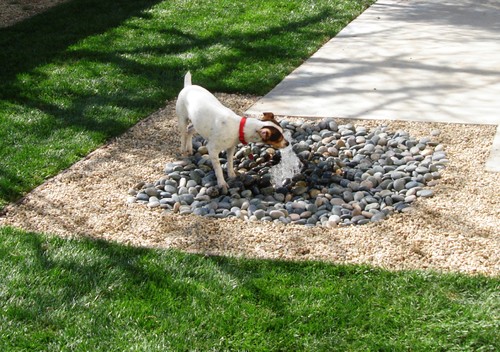
With global temperatures on the rise, keeping your dog cool is a top priority. A designated water feature can serve as both a source of hydration and entertainment. Shallow “splash pads” are becoming increasingly popular for dogs because they eliminate the drowning risks associated with deep pools while providing constant movement to keep the water fresh. If a permanent installation isn’t in the budget, a simple hard-plastic kiddie pool can work wonders. Ensure the water is changed daily to prevent the growth of algae or the breeding of mosquitoes. Additionally, always provide a shaded retreat—whether it’s a high-end insulated dog house or a simple pergola—to protect your pet from direct UV rays.
4. Dedicated Digging Zones
Does your dog have a penchant for excavating your prize-winning petunias? Rather than fighting their natural instincts, provide them with a sanctioned “digging pit.” A sandbox filled with child-safe sand or loose soil can be a game-changer. You can encourage your dog to use this area by burying toys or treats for them to find. This positive reinforcement technique redirects their energy away from your landscaping and toward a designated area where they can satisfy their primal urges without causing damage. It’s a win-win for both the gardener and the dog.
5. Backyard Agility and Enrichment Courses
Physical exercise is only half the battle; dogs also need mental stimulation. A backyard agility course is an excellent way to provide both. You don’t need professional-grade equipment to get started. Simple PVC pipes can be used to create weave poles, and a sturdy wooden plank can serve as a balance beam. These activities build confidence in dogs and strengthen the bond between pet and owner. For those who frequent public spaces, remember that dog park rules often emphasize the importance of having a well-trained, responsive pet, and practicing agility at home is the perfect way to refine those social and listening skills.
6. Paws-Friendly Pathing and Texture
The surfaces your dog walks on can impact their joint health and paw pad safety. Scorching asphalt or jagged gravel can cause burns or cuts. Smooth river stones, bark mulch, or specialized “pet turf” are much gentler on paws. Pet turf is particularly popular in 2024 because it offers excellent drainage, is easy to clean, and doesn’t turn into a mud pit during the rainy season. Furthermore, creating a “patrol path”—a clear walkway along the perimeter of the fence—allows dogs to perform their natural guarding instincts without ruining the grass.
7. Integrated Waste Management
No one likes a yard littered with “landmines.” An efficient backyard design includes a specific area for your dog to do their business. This could be a small patch of gravel or a synthetic grass pad with a built-in drainage system. By training your dog to use one specific spot, you protect the rest of your lawn from nitrogen burns and make cleanup significantly easier. For the eco-conscious owner, consider a pet waste digester, which works like a mini-septic tank to break down waste safely and odorlessly.
8. Nighttime Safety and Lighting
A dog-approved backyard shouldn’t be off-limits once the sun goes down. Proper lighting is essential for nighttime potty breaks and play sessions. Solar-powered LED path lights are an energy-efficient way to illuminate walkways, while motion-activated floodlights can deter nocturnal wildlife that might clash with your dog. For the dogs themselves, reflective collars or LED harness attachments ensure you can always spot them in the shadows, adding an extra layer of security during the evening hours.
Expert Review: The Verdict on Pet-Centric Backyard Design
As a specialist in animal behavior and home environments, the consensus is clear: a backyard designed with a dog in mind is an investment in your pet’s longevity. Experts note that dogs with access to varied textures, cooling stations, and mental challenges show a 40% decrease in anxiety-related behaviors. The key is to balance enrichment with safety. While it is tempting to go all-out with expensive tech, the most successful yards are those that cater to a dog’s natural instincts—sniffing, running, and resting.
Frequently Asked Questions (FAQ)
- What is the best ground cover for a dog yard? While natural grass is great, it often suffers from yellow spots. Clover is a hardy, dog-safe alternative that is more resistant to pet urine. For high-traffic areas, artificial pet turf is the gold standard for 2024.
- How can I stop my dog from jumping the fence? Increasing the height is the obvious choice, but adding a “coyote roller” (a bar that spins when a dog tries to get a grip on the top) or an inward-leaning trellis can effectively deter jumpers.
- Are all mulches safe for dogs? No. Avoid cocoa mulch at all costs. Shredded cedar or pine is generally considered safe and can even help repel fleas.
- How much does a dog-friendly backyard cost? A DIY approach with a sandbox and basic agility tools can cost under $200. Professional landscaping with pet turf and permanent water features can range from $2,000 to $10,000+.
Conclusion
Creating a dog-approved backyard is about more than just aesthetics; it’s about crafting a functional space where your pet can thrive. By focusing on safety, cooling, and mental stimulation, you turn an ordinary lawn into a vibrant environment that satisfies your dog’s physical and emotional needs. As the bond between humans and pets continues to strengthen, these thoughtful backyard upgrades represent the future of responsible pet ownership. Start small with a digging pit or a new water bowl station, and watch as your furry friend discovers their new favorite place on earth.


