Dog parks often present a picturesque scene of canine joy: a secure fence, a double-gated entry, and a flurry of dogs tumbling through the grass like children who have finally been released for summer break. To the casual observer, it looks like simple, unadulterated fun. However, seasoned owners quickly realize that beneath the surface of the barking and the chasing lies a complex, hidden rhythm. There is a quiet social current that dictates whether a park feels like a peaceful sanctuary or a tinderbox of tension. A successful dog park experience is rarely about the printed rules posted on the gate; it is about the acute human awareness brought into the space. The environment requires constant, active participation from owners to remain a safe haven for every four-legged visitor.
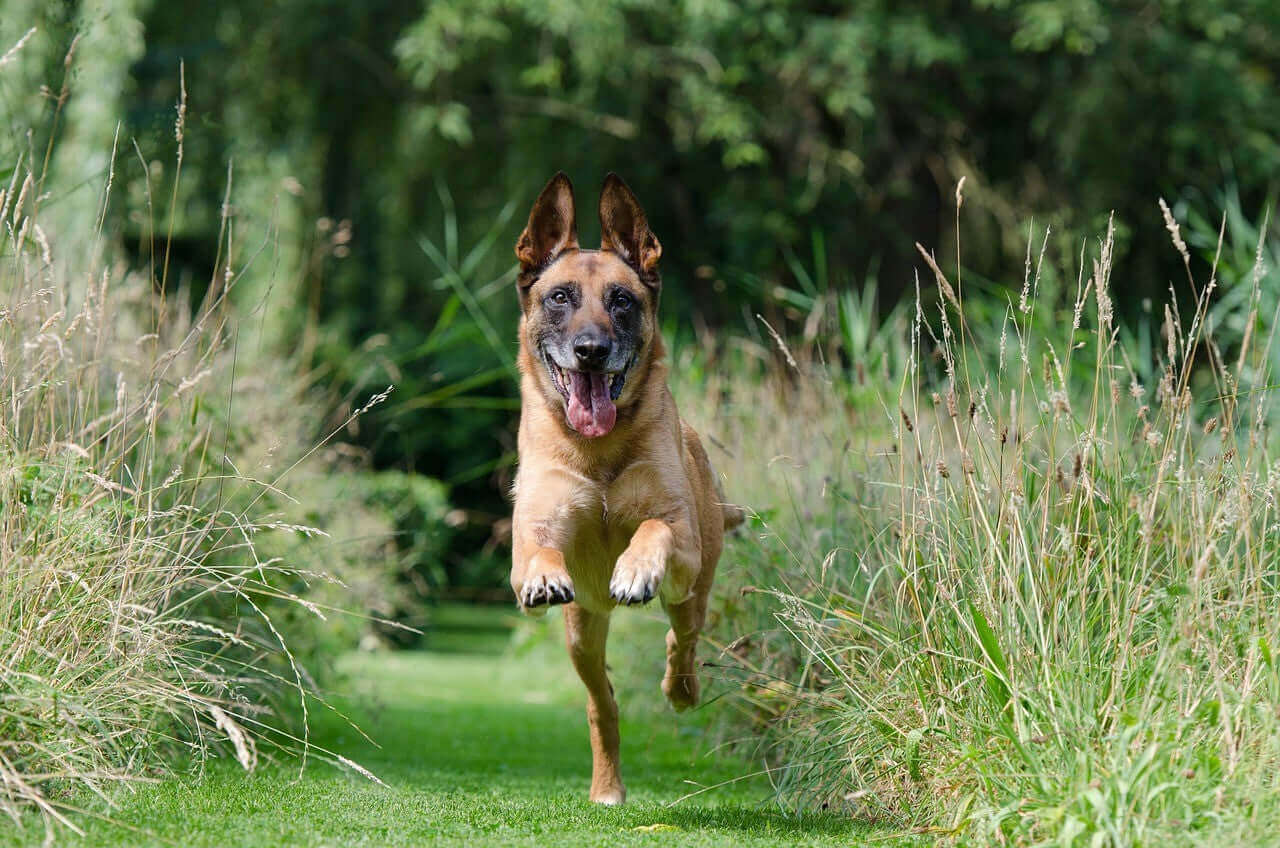
The Foundation of Safety: Knowing Your Dog’s Social Battery
One of the most common mistakes made by pet owners is walking into a communal space without a second thought. They assume that because their dog is friendly at home, they will be social in a high-arousal environment. This lack of pre-entry assessment is often where trouble begins. Before you even reach for the gate latch, it is critical to perform an honest evaluation of your dog’s current mood. Does your dog barrel into crowds with reckless abandon, or do they freeze and seek refuge between your legs? Neither reaction is inherently “bad,” but they both demand different levels of management.
Research into canine behavior suggests that temperament is not static. A dog that was social on Monday might be irritable on Friday due to lack of sleep, minor physical discomfort, or simply being overstimulated by previous activities. For instance, puppies are often better suited for the “off-peak” hours when the park is less crowded. Their social skills are still developing, and a rowdy group of large adults can be traumatizing rather than educational. Conversely, senior dogs might enjoy a slow lap around the perimeter but can become defensive if a high-energy adolescent dog repeatedly jumps on them. Understanding these nuances is the first step toward responsible ownership.
Reading the “Weather”: Assessing the Park Environment
Before entering the enclosure, take a moment to observe the existing group dynamic. This “pre-entry scan” is akin to checking the weather forecast before heading out for a hike. If the clouds look heavy and dark, you bring a jacket or stay home. If the park looks chaotic, you wait for the energy to shift or choose another day. Look for specific red flags in the behavior of the dogs already inside. Is there a cluster of dogs pinning another one in a corner? Is a dog guarding the communal water bowl or the entrance gate? Are owners standing in a tight circle, focused on their phones rather than their pets?
A balanced park environment is visible in the way dogs interact. You should see “play bows,” frequent breaks in movement, and dogs that greet each other briefly before moving on to sniff the grass. If you notice a dog pacing the fence or showing signs of high-intensity fixation on others, it may be a sign that the energy is too volatile for your pet to join safely. Many modern parks now offer separate enclosures for small and large breeds, but weight is not the only factor. A 60-pound, gentle senior dog may be more comfortable in the small dog area, while a 20-pound high-energy terrier might thrive with the big runners. Use your judgment based on play style rather than just the scale.
The Rising Stakes: Statistics and Liability in 2024
While we go to the park for fun, we must remain grounded in the reality of the risks involved. According to the American Veterinary Medical Association (AVMA), approximately 4.5 million people are bitten by dogs each year in the United States. Of these, nearly 800,000 require medical attention. These figures underline a sobering point: dog parks are high-stakes environments. Furthermore, data from the Insurance Information Institute reveals that in 2023, the average cost per dog bite liability claim rose to over $58,000, a significant increase driven by rising medical costs and legal fees.
In some unfortunate cases, minor scuffles escalate into serious injuries for either the dogs or the humans intervening. This has led to a surge in pet owners talking to a personal injury lawyer to navigate the aftermath of an incident. Legal experts point out that many owners do not realize they can be held strictly liable for their dog’s actions, regardless of previous history. This financial and legal reality is why active supervision isn’t just a courtesy—it’s a necessity for your protection and the protection of your assets.
Active Supervision vs. Passive Presence
The most effective safety tool you have at a dog park is your own attention. To be truly present, you cannot be halfway in your phone or deep in a conversation with another owner. Dogs communicate their intentions long before they act. They use subtle body language cues like lip licking, whale eye (showing the whites of the eyes), or a stiff, high tail to signal that they are uncomfortable. If you are watching closely, you can identify these signals and redirect your dog before a growl turns into a snap.
Active supervision also means being willing to move. Don’t just stand in the center of the park; walk with your dog. This prevents “packing behavior” where dogs congregate in one spot and become overly competitive. If you see your dog becoming too intense in their play, call them over for a “reset”—a few seconds of calm and a quick pat before letting them return to play. This keeps their arousal levels from reaching a boiling point.
Conflict Resolution: How to Intervene Safely
Even with the most vigilant owners, scuffles can happen. A sudden loud noise or a misunderstood greeting can trigger a flash of aggression. Your reaction in these seconds is vital. The golden rule is to never place your hands near the dogs’ mouths. Many of the most severe injuries treated by medical professionals are “redirected bites,” where a well-meaning owner is bitten by their own dog during a fight.
Instead, use sound and distraction. A loud clap, a firm vocal command, or even dropping a coat or bag between the dogs can create the necessary split-second of confusion needed to separate them. If you carry a water bottle, a quick spray of water can also be effective. Once the dogs are separated, they need a significant cooling-off period. In most cases, once a physical conflict has occurred, it is best to leave the park immediately. The adrenaline remains in a dog’s system for hours, making a second conflict much more likely if they stay.
Expert Review: The “Consent Test” for Play
Professional trainers often recommend the “Consent Test” to determine if both dogs are enjoying an interaction. If one dog seems to be doing all the chasing or pinning, gently hold that dog back for three seconds and see what the other dog does. If the “victim” dog stays away or sniffs the ground, they were not enjoying the play and it was time to end the session. If they immediately run back to the other dog to initiate more play, then the interaction is consensual. This simple expert-led technique can prevent many common park disagreements.
Frequently Asked Questions (FAQ)
- Are puppies safe at dog parks? Generally, it is best to wait until a puppy is fully vaccinated (usually around 16 weeks) and has had some foundational socialization in controlled environments before visiting a public park.
- Should I bring toys or treats? Most experts advise against it. High-value items like tennis balls or treats can trigger “resource guarding,” leading to fights between dogs that are otherwise friendly.
- What if another owner isn’t paying attention? It is your right to advocate for your dog. Calmly ask the other owner to redirect their dog if you feel the play is becoming too rough. If they refuse, it is always safer to simply leave.
- Do I need to worry about diseases? Yes. Ensure your dog is up to date on Rabies, Distemper/Parvo, and Bordetella. Be wary of communal water bowls, which can harbor parasites like Giardia.
- Is my dog too old for the park? Not necessarily, but older dogs have lower tolerance for puppy-like behavior. Watch for signs of stiff movement or panting, which indicate they might be tired or in pain.
Conclusion
Dog parks serve as a vital resource for urban and suburban pet owners, providing a space for freedom and social development that a backyard simply cannot replicate. However, the success of these spaces rests entirely on the shoulders of the humans at the other end of the leash. By staying informed about canine body language, understanding the legal and financial risks of dog ownership in 2024, and committing to active supervision, we can ensure these parks remain community assets. A great dog park visit ends when your dog is tired, happy, and safe—and that requires being as attentive to the environment as your dog is to the next enticing scent.


