For many years, cats have carried a bit of a reputation for being the ‘easy’ pets. The general consensus was that as long as they had a clean litter box and a full bowl of kibble, they were perfectly content to lounge on the sofa all day. But as anyone who has shared their home with a feline companion knows, there is so much more depth to these sophisticated little predators. In my years of working with exotic animals and domestic felines alike, I’ve seen firsthand how a lack of stimulation can turn a brilliant, active cat into a frustrated or lethargic one. Feline enrichment isn’t just a luxury; it is an essential component of their biological well-being. When we bring a cat into our homes, we are essentially asking a tiny tiger to live in a carpeted box. It is our responsibility to ensure that their environment challenges their minds and respects their wild instincts.
According to Dr. Lori Teller, a clinical professor at the Texas A&M School of Veterinary Medicine & Biomedical Sciences, mental and physical engagement is the cornerstone of a healthy feline life. It allows them to live longer, happier lives and prevents the development of stress-related behaviors that can strain the bond between pet and owner. In this guide, we will dive deep into the world of feline enrichment, exploring how to satisfy their natural desires to hunt, climb, and explore, all while keeping them safe and fit.
The Biological Necessity of Enrichment
To understand why enrichment is so vital, we have to look at the domestic cat’s wild ancestors. In the wild, a cat’s day is consumed by the ‘predatory sequence’: search, stalk, pounce, kill, and eat. When we provide food in a bowl, we remove this entire cycle. While this is convenient, it leaves the cat with a massive amount of pent-up energy and nowhere to direct it. This is why you might see your cat suddenly bolt across the room at three in the morning or decide that your ankles are the perfect substitute for a mouse.
Proper enrichment provides a healthy outlet for these natural instincts. As Dr. Teller notes, cats need to be mentally and physically engaged for the same reasons humans do. It staves off cognitive decline, reduces stress, and, perhaps most importantly in our modern era, helps maintain a healthy weight. Boredom in cats doesn’t just manifest as sleeping; it often manifests as anxiety, which can lead to inappropriate urination or destructive scratching. By incorporating mealtime enrichment for cats, we can bridge the gap between their wild origins and their indoor reality.
Physical Enrichment: Tapping into the Inner Hunter
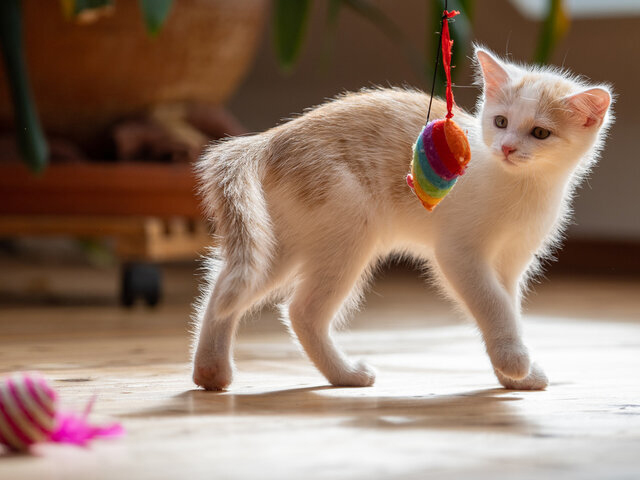
Physical enrichment is perhaps the easiest form to implement, yet it is often the most misunderstood. It isn’t just about throwing a toy mouse across the floor; it’s about simulating the hunt. Dr. Teller suggests using fishing rod-type toys with feathers or ribbons. These toys allow you, the owner, to mimic the erratic movements of a bird or a bug, which triggers the cat’s tracking instincts. Small balls, like ping-pong balls, are also excellent because they are lightweight and move quickly across hard floors, encouraging high-speed chases.
Vertical Space and Territorial Mastery
One of the most overlooked aspects of feline life is the need for height. In the wild, cats are both predators and prey. Being high up allows them to scan for food while remaining safe from larger threats. Dr. Teller emphasizes that owners should provide vertical climbing surfaces. This can be as simple as a dedicated shelf or as complex as a floor-to-ceiling cat tree. Creating these ‘cat highways’ allows them to navigate the room without touching the floor, which builds confidence. For those with limited indoor space, learning how to choose the perfect cat enclosure can provide a safe way for cats to enjoy the verticality of the outdoors without the risks of roaming free.
The Role of Scratching
Scratching is a fundamental feline behavior. It isn’t done to be destructive; it is a way for cats to mark their territory both visually and through scent glands in their paws, and it helps them stretch their muscles. Providing multiple textures—sisal rope, carpet, and cardboard—placed in both vertical and horizontal orientations is key. If your cat is scratching the sofa, it’s usually a sign that the current scratching post isn’t meeting their needs or is placed in a location they don’t find relevant to their territory.
Cognitive Enrichment: Challenging the Feline Mind
Mental stimulation is just as exhausting as physical exercise. If you have a particularly ‘naughty’ cat, they are often just a bored cat with a high IQ. Puzzle feeders are a game-changer here. Instead of a bowl, use a device that requires the cat to bat, spin, or slide pieces to reach their food. This mimics the ‘search’ and ‘stalk’ phases of hunting. Dr. Teller points out that many cats truly feel like they have hunted and caught their dinner when using these tools.
Scent and Sensory Play
A cat’s sense of smell is significantly more powerful than a human’s. You can enrich their day by bringing in ‘scents of the world.’ A handful of dry leaves from outside, a piece of silvervine, or high-quality catnip can provide minutes of intense sensory investigation. Even simple cardboard boxes and paper grocery bags, as Dr. Teller suggests, offer new textures and smells. These items are ‘strategic places’ for discovery, turning a boring living room into a changing landscape.
Weight Management and Health Considerations
As we increase enrichment, we must be mindful of the caloric intake. While food puzzles are great, Dr. Teller warns that they shouldn’t lead to excessive weight gain. Obesity is a major risk factor for feline diabetes mellitus. If you are using treats for enrichment, subtract that amount from their daily meal portions. If you find your cat is already struggling with their size, it is worth looking into strategies on how to help an overweight cat lose weight through a combination of controlled diet and increased ‘predatory play.’
Special Care for Seniors
As cats age, their enrichment needs change. Dr. Teller notes that older cats with arthritis may still have the desire to perch high, but their bodies may no longer allow them to make the jump. For senior cats, we must provide ramps or ‘steps’ to their favorite spots. Enrichment for them might focus more on gentle sensory play and grooming rather than high-octane chasing. Keeping an aging cat mentally active is one of the best ways to manage ‘cat dementia’ and maintain their quality of life.
People Also Ask: Feline Enrichment FAQ
How many hours of play does a cat need daily?
Most healthy adult cats benefit from at least two 15-minute sessions of intense interactive play per day. However, ‘passive’ enrichment (like window perches or self-play toys) should be available 24/7.
Why does my cat lose interest in toys so quickly?
Cats are ‘novelty seekers.’ To keep them interested, you should rotate their toys. Don’t leave everything out at once. Put some away in a drawer for a week and then bring them back out; to the cat, they will feel like brand-new ‘prey.’
Are laser pointers bad for cats?
Laser pointers can be great for exercise, but they can cause ‘predatory frustration’ because the cat can never actually catch the red dot. To prevent this, always end a laser session by pointing the light at a physical toy or a treat so the cat can experience the ‘kill’ and ‘eat’ portion of the sequence.
The Expert Verdict: A Holistic View
Enrichment is the difference between a cat that simply exists and a cat that thrives. By diversifying their environment with vertical space, cognitive challenges, and safe physical outlets, you are supporting their natural biology. Remember that every cat is an individual. Some may prefer the quiet challenge of a food puzzle, while others live for the high-flying chase of a feather wand. The key is to observe your pet, see what triggers their pupils to dilate and their tail to twitch, and lean into those activities. A happy cat is an active cat, and an active cat is a joy to live with. Start small—maybe with just a cardboard box and a new scratching post—and watch your feline friend transform into the confident hunter they were always meant to be.


