If you have ever had a parrot gently preen your hair or a cockatiel whistle excitedly the moment you walk through the door, you know that the bond between a human and a bird is something truly extraordinary. As someone who has spent years observing the nuanced behaviors of exotic birds, I can tell you that these creatures are far more than just ‘decorative’ pets. They are highly intelligent, emotionally complex beings that thrive on social connection. The phrase ‘birds of a feather flock together’ isn’t just a catchy idiom; it is a fundamental biological blueprint that dictates how our feathered friends perceive the world and their place within it. Understanding these social behaviors is the first step toward becoming a truly great bird parent.
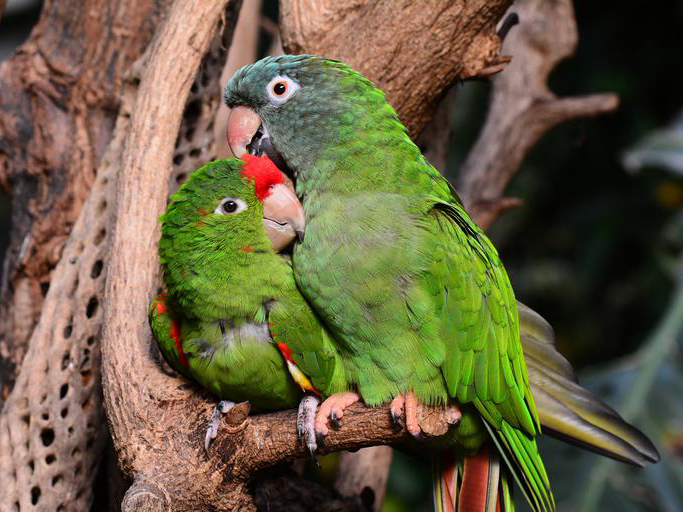
Unlike dogs or cats, birds have a very different evolutionary history that shapes their social needs. Most of the birds we keep as companions are prey species. In the wild, being part of a flock is a survival strategy—more eyes on the horizon means a better chance of spotting a predator. This deep-seated need for a ‘flock’ doesn’t disappear when a bird enters our homes. Instead, that social drive is redirected toward us, their human caregivers. However, this redirection can lead to some of the most rewarding—and sometimes the most challenging—aspects of avian guardianship.
The Biological Drive: Why Birds Need a Flock
To understand your pet bird, you must first understand the concept of the flock oriented species. Parrots, chickens, canaries, and pigeons are all inherently social. In their natural habitats, these birds spend almost 24 hours a day in the company of others. They forage together, bathe together, and watch over one another while they sleep. When we bring a bird into a solitary cage environment, we are essentially asking them to override millions of years of evolutionary programming.
On the flip side, not all birds share this intense social requirement. Raptors, such as hawks and owls, are solitary hunters. They do not seek the company of a flock and are far more independent. But for the vast majority of pet birds, isolation is a form of stress. This is why many experienced keepers suggest that if you cannot spend significant portions of your day interacting with your bird, you should consider providing them with a feathered companion or, at the very least, a high-stimulation environment. For those looking to manage multiple species, caring for multi-pet households requires a deep understanding of these specific social hierarchies to ensure everyone remains safe and unstressed.
The Phenomenon of Imprinting and Human Bonding
Many pet birds are hand-raised by humans from the time they are hatchlings. This process often leads to imprinting, where the bird identifies humans as their own kind. While this makes for a very tame and affectionate pet, it also blurs the lines of natural behavior. To a hand-raised bird, you are not just a ‘pet owner’; you are a member of the flock. In many cases, you are the lead member of the flock.
This bond is reciprocal. Birds are incredibly observant and can pick up on human emotions with startling accuracy. They celebrate our joys and can become visibly distressed when we are upset. However, when a bird identifies a human as their primary social partner, they may begin to exhibit behaviors that are difficult to manage. They may become overly protective, viewing other family members as intruders in the flock or even as rivals for your affection.
When the Bond Becomes Romantic: Reproductive Challenges
One of the most common issues I see in the avian community is when a bird stops seeing their owner as a ‘flock mate’ and starts seeing them as a romantic mate. Because birds are so tactile, certain types of petting—especially on the back, wings, or tail—can inadvertently stimulate reproductive hormones. In the wild, these signals are reserved for breeding pairs.
When a bird becomes ‘hormonal’ toward a human, it can lead to several health and behavioral complications:
- Chronic Egg-Laying: In females, this can lead to hypocalcemia (calcium deficiency) as the bird depletes her own skeletal calcium to create eggshells.
- Cloacal Prolapse: The physical strain of repeated egg-laying can cause the reproductive tract to protrude, a medical emergency.
- Territorial Aggression: The bird may begin to ‘guard’ their cage or a specific person, leading to sudden biting or lunging at others.
To prevent this, it is crucial to establish boundaries. Stick to scratching your bird only on the head and neck, and ensure they get 10-12 hours of uninterrupted darkness each night to mimic the non-breeding season. Ensuring a stable environment is key, and creating a pet-friendly home involves more than just buying a cage; it requires managing light, space, and social cues.
Social Dynamics with Other Animals
Interestingly, birds often extend their definition of ‘flock’ to include other household pets. It is not uncommon to see a confident parrot trying to ‘boss around’ a Golden Retriever or a cat. While these interactions can be charming, they are also inherently dangerous. Even the most well-behaved dog or cat has a predatory instinct that can be triggered by a bird’s sudden flight or high-pitched squawk.
As a responsible owner, you should always supervise interactions between different species. However, the presence of other animals in the home can actually provide a sense of security for a bird. Knowing that other ‘members of the flock’ are nearby can reduce the anxiety a bird feels when the human members of the family are away at work or school.
Combating Loneliness through Enrichment
If a bird is left alone in a cage all day without social interaction or mental stimulation, they will likely develop stereotypic behaviors—such as feather plucking, screaming, or repetitive swaying. Because they are so social, their brains require constant input. This is where enrichment becomes vital.
Think of enrichment as ‘social substitutes’ for when you aren’t around. This includes:
- Foraging Toys: Making the bird work for their food mimics wild behavior and keeps the mind busy.
- Audio-Visual Stimulation: Leaving a radio or television on can provide ‘flock talk’ that prevents the silence birds find so unnerving.
- Destructible Toys: Chewing is a natural outlet for energy and stress.
Providing a variety of activities is part of taking proper care of your pet in every way. A busy beak is a happy beak, and a bird that is mentally tired is far less likely to develop the behavioral issues associated with social isolation.
People Also Ask
Can a single bird be happy without a mate?
Yes, a single bird can be very happy, provided they receive significant social interaction from their human family. However, you must be prepared to be their ‘everything’—their social outlet, their playmate, and their teacher. If you have a busy lifestyle, a pair of birds may be a more ethical choice.
Why does my bird suddenly bite me when someone else enters the room?
This is often ‘displaced aggression’ or ‘mate guarding.’ The bird is either trying to ‘drive you away’ from a perceived threat (the other person) for your own safety, or they are warning the other person to stay away from their chosen mate (you).
Do birds understand humans?
While they may not understand every word, birds are masters of reading body language and tone of voice. Many species, particularly parrots, can associate specific words with objects or actions, demonstrating a level of cognitive understanding that rivals young children.
The Expert Verdict: A Commitment to Connection
Owning a bird is not like owning a hamster or even a cat. It is a commitment to a lifelong social relationship. When you bring a bird into your home, you are accepting the role of a flock leader. This requires patience, an understanding of avian psychology, and a willingness to adapt your own behavior to meet their social needs. While the challenges—such as hormones and ‘velcro-bird’ syndrome—are real, the rewards are unmatched. There is nothing quite like the trust of a creature that could fly away but chooses instead to land on your shoulder and whisper in your ear.
Final Summary for Bird Owners
To ensure your feathered friend lives a balanced, social life, remember these key takeaways:
- Respect the Flock: Acknowledge that your bird views you as part of their social group.
- Set Boundaries: Avoid hormonal triggers by keeping petting limited to the head and ensuring proper sleep cycles.
- Provide Enrichment: Use toys and foraging opportunities to keep their social minds active when you aren’t available.
- Monitor Health: Watch for signs of over-bonding, such as egg-binding or excessive aggression, and consult an avian vet if these occur.
By treating your bird as the social, intelligent being they are, you will foster a relationship that is not just fun and entertaining, but deeply fulfilling for both of you.


