Most pet owners have experienced that heavy, uncomfortable feeling after a large holiday meal. We call it bloating, and for humans, it is usually a temporary nuisance. However, in the feline world, a swollen or distended belly is rarely just a sign of overindulgence. For a cat, bloat—clinically known as abdominal distension—can range from a minor digestive upset to a critical, life-threatening emergency. Because cats are masters at masking their pain, recognizing the subtle shifts in their physical appearance and behavior is the first line of defense for any dedicated pet parent. Whether it is a sudden accumulation of gas, fluid buildup, or an underlying medical condition, time is often of the essence when dealing with a bloated abdomen.
In this comprehensive guide, we will dive deep into the complexities of feline abdominal swelling. From the dietary triggers that cause air swallowing to the more sinister possibilities of organ failure or gastrointestinal blockages, we provide the expert insights you need to safeguard your pet’s health. By understanding the nuances of feline digestive health, you can ensure your cat receives the right intervention before a manageable issue turns into a tragedy.
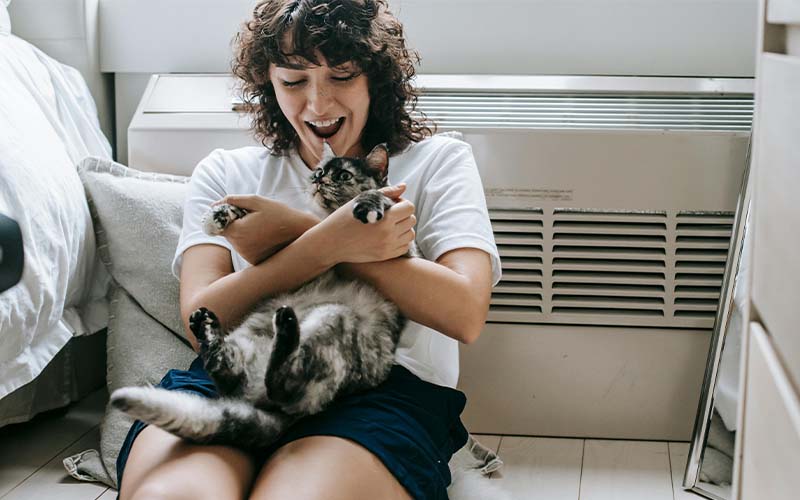
What Exactly is Cat Bloat?
Cat bloat occurs when the abdominal cavity becomes abnormally enlarged. Unlike the soft, squishy belly of an overweight cat, a bloated stomach often feels tight or firm to the touch. This swelling is typically caused by the accumulation of one of three things: gas, fluid, or solid mass. While dogs frequently suffer from Gastric Dilatation-Volvulus (GDV), where the stomach twists on itself, this specific condition is rarer in cats but still possible. More commonly, feline bloating is a symptom of an underlying systemic issue.
Recent data from 2023 indicates that digestive issues remain among the top five reasons for emergency veterinary visits. Distension can develop rapidly (acute) or gradually (chronic). Acute distension is often the result of swallowing excess air (aerophagia) or a sudden blockage, whereas chronic swelling might point toward parasites or organ-related issues like liver disease. Regardless of the speed of onset, a distended belly is a signal from the body that something is fundamentally wrong.
Recognizing the Symptoms of Feline Abdominal Distension
Early detection is the key to a positive prognosis. While the most obvious sign is a visible bulge in the midsection, cats often exhibit secondary symptoms that highlight their distress. If you notice your cat is suddenly looking “pear-shaped” when viewed from above, look for these accompanying signs:
- Vomiting or Retching: The cat may try to expel whatever is causing the pressure but may only produce foam or nothing at all.
- Lethargy and Hiding: A cat in pain will often retreat to a dark, quiet place. If your social cat is suddenly nowhere to be found, investigate immediately.
- Excessive Drooling: This is a common sign of nausea or intense abdominal pain in felines.
- Panting or Labored Breathing: A severely distended stomach can press against the diaphragm, making it difficult for the cat to take full breaths.
- Restlessness: An inability to find a comfortable lying position is a hallmark of internal discomfort.
If your cat displays a combination of these symptoms, it is imperative to contact a veterinarian. Proactive care is essential for maintaining a long life; for instance, focusing on ways to improve digestive health can help prevent some of these issues from arising in the first place.
Primary Causes: Why Do Cats Get Bloated?
Dietary Indiscretion and Aerophagia
The most straightforward cause of bloat is the consumption of food. Cats that “inhale” their meals often swallow significant amounts of air, leading to gas buildup. Furthermore, cats are notoriously lactose intolerant; feeding a cat dairy can lead to fermentation in the gut, resulting in painful gas and swelling. Sudden changes in protein sources can also disrupt the delicate microbiome of the feline gut, leading to inflammatory responses.
Internal Parasites
In kittens and outdoor cats, a “pot-bellied” appearance is a classic indicator of a heavy parasite load. Roundworms and hookworms live in the intestinal tract and can cause significant swelling and malnutrition. Understanding the risks of internal hitchhikers is vital, and pet owners should stay informed about cat and dog worming prevention to keep their households safe.
Gastrointestinal Blockages
Cats are curious creatures that often use their mouths to explore. Ingesting hairballs, string, or small household objects can create a physical plug in the intestines. When food and gas cannot pass, the stomach distends. This is a surgical emergency, as the pressure can cut off blood flow to vital organs, leading to tissue death (necrosis).
Pregnancy
For unspayed female cats, an enlarging abdomen is frequently the first sign of pregnancy. While this is a natural process, it requires specific nutritional and medical support. If you suspect your cat might be expecting, it may be helpful to review pregnancy signs and timelines to understand the biological changes occurring, though feline gestation has its own unique requirements.
Advanced Medical Diagnostics
When you arrive at the clinic, your veterinarian will likely perform a series of tests to pinpoint the cause of the distension. Physical palpation is usually the first step, where the vet feels the abdomen for masses or fluid waves. If the cause isn’t immediately clear, they may move to:
- Radiographs (X-rays): To look for gas patterns or foreign objects like hairballs or swallowed toys.
- Ultrasound: This is the gold standard for detecting fluid (ascites) and evaluating the health of the liver, kidneys, and spleen.
- Blood Work: A Complete Blood Count (CBC) and chemistry panel can reveal infection, anemia, or organ dysfunction.
- Abdominocentesis: If fluid is present, the vet may use a small needle to draw a sample for analysis to check for protein, blood, or bacteria.
Expert Verdict: Treatment and Prevention
Treatment for cat bloat is never a “one size fits all” approach. If the cause is simple gas, the vet may administer medications like simethicone or suggest a slow-feeder bowl. However, if the cause is an obstruction, emergency surgery is non-negotiable. For cases involving fluid buildup due to heart or liver disease, long-term management with diuretics and specialized diets will be required.
Expert consensus emphasizes that prevention is better than cure. Transitioning your cat to high-quality, easily digestible food and ensuring they have a stress-free environment can mitigate many digestive triggers. Furthermore, routine deworming and keeping hazardous small objects out of reach are simple yet effective ways to avoid an emergency room visit.
Frequently Asked Questions (FAQ)
1. Can a cat die from bloat?
Yes. If the bloating is caused by a blockage, organ failure, or a severe infection like Feline Infectious Peritonitis (FIP), it can be fatal without immediate veterinary intervention. Even gas-related bloat can be dangerous if it places too much pressure on the chest cavity.
2. How can I tell if my cat’s belly is fat or bloated?
A fat cat generally has a soft, flabby belly (often called a primordial pouch) and carries weight in other areas like the neck and hips. A bloated belly feels firm, tight like a drum, and usually appears suddenly.
3. Does wet food cause more bloat than dry food?
Actually, wet food can sometimes be better for cats prone to gas because it has higher moisture content, which aids digestion. However, any food eaten too quickly can cause a cat to swallow air.
4. Are certain breeds more prone to bloating?
While any cat can experience bloat, breeds with flatter faces (brachycephalic) like Persians may swallow more air while eating, potentially increasing their risk of gas-related distension.
5. What is the average cost of treating cat bloat?
Minor cases involving exams and medication may cost $200-$500. However, if emergency surgery or intensive care is required for blockages or organ issues, costs can range from $2,000 to $5,000 or more.
Conclusion
Cat bloat is a complex condition that demands a vigilant eye and a quick response. Whether it is the result of a greedy eater swallowing too much air or a serious medical emergency like an intestinal obstruction, understanding the symptoms and causes is the first step in being a responsible pet owner. By maintaining regular veterinary checkups, managing your cat’s diet, and staying informed about potential health risks, you can ensure your feline companion lives a long, comfortable, and healthy life. Never hesitate to seek professional help if your cat’s abdomen appears unusual—when it comes to bloat, it is always better to be safe than sorry.


