Known affectionately as the ‘Himmie,’ the Himalayan cat is a masterpiece of feline breeding, combining the luxurious, long-haired elegance of the Persian with the striking, color-pointed patterns of the Siamese. This breed isn’t just about looks, though; it is celebrated for its remarkably gentle temperament and quiet devotion. As we move into 2024, the Himalayan remains one of the most sought-after pedigreed cats for families and individuals seeking a calm, affectionate companion that thrives in a serene indoor environment. Whether you are a first-time cat owner or a seasoned fancier, understanding the unique needs of this brachycephalic beauty is essential for a long and happy life together. In this guide, we will explore everything from their origins in the mid-20th century to the intricate grooming routines required to keep their ‘points’ looking pristine.
The Origin and History of the Himalayan Breed
While some might assume the Himalayan is an ancient breed, it is actually a relatively modern creation resulting from a deliberate cross-breeding program. In the early 1930s, researchers at Harvard University began crossing Siamese and Persian cats to study how certain traits were inherited. However, it wasn’t until the 1950s that the breed gained official recognition. Breeders in the United Kingdom and North America worked simultaneously to refine the look: a cat with the sturdy, cobby body of a Persian but the enigmatic blue eyes and color points of a Siamese.
Interestingly, while some registries like the Cat Fanciers’ Association (CFA) consider the Himalayan a color variety of the Persian, others recognize it as a distinct breed. Regardless of the classification, the Himalayan has carved out its own niche in the pet world. As of 2024, data from major pet registries shows that the Himalayan consistently ranks among the top 10 most popular breeds globally, particularly in North America and Europe, due to its adaptability to apartment living and its low-energy, high-affection lifestyle.
Physical Characteristics: A Study in Elegance
The Himalayan is a medium-to-large cat, typically weighing between 8 and 15 pounds. They are characterized by a ‘cobby’ body type, which means they are short-legged, broad-chested, and overall quite sturdy. Their most striking feature is their large, round head set on a short, thick neck. Like the Persian, they have small, rounded ears and a short, ‘snub’ nose—a trait known as being brachycephalic.
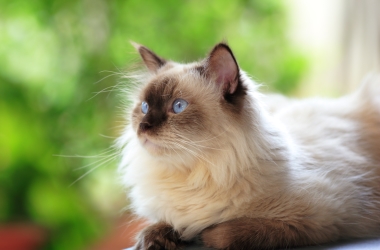
The coat is the crowning glory of the Himmie. It is thick, silky, and incredibly plush. The color pattern is ‘pointed,’ meaning the body is a lighter shade (usually white to cream) while the extremities—the face mask, ears, paws, and tail—are a darker, contrasting color. Common point colors include:
- Seal Point: Deep dark brown points.
- Blue Point: Slate-grey or blue-grey points.
- Flame Point: Bright reddish-orange points.
- Tortie Point: A mottled mix of colors.
Every Himalayan is born with vivid, deep blue eyes, a trait inherited from their Siamese ancestors, which adds to their ethereal appearance.
Temperament: The Ultimate Lap Cat
If you are looking for a cat that will fly through the air and scale your curtains, the Himalayan is not the breed for you. They are the quintessential ‘lap cats.’ Known for being outgoing, affectionate, and extremely calm, they prefer the comfort of a soft sofa or a warm lap over high-energy antics. They have a very quiet, melodious voice, which they use sparingly to communicate their needs.
Himalayans are highly adaptable and generally get along well with children and other pets, provided the environment isn’t too chaotic. They are sensitive souls who appreciate a routine. In a recent 2023 survey of cat owners, Himalayans were rated as one of the top breeds for ’emotional support’ due to their intuitive nature and willingness to sit quietly with their owners during stressful times. For those who want to ensure their pet stays healthy and stress-free, supporting cat wellness through consistent environmental enrichment and a stable home life is key.
Grooming: A High-Maintenance Commitment
Owning a Himalayan comes with a significant responsibility: grooming. Their thick, long double coat is prone to tangling and matting if not tended to daily. Experts recommend at least 15 to 20 minutes of brushing every single day. Without this, the fur can develop tight knots close to the skin, which can be painful and lead to skin infections. This is one of the hidden dangers of matted fur that many new owners overlook.
In addition to brushing, Himalayans require regular facial cleaning. Because of their flat faces, their tear ducts often drain onto their fur, causing ‘tear staining.’ Wiping their face with a damp cloth daily is necessary to prevent irritation and keep them looking their best. While cats are generally self-cleaning, the Himmie’s dense coat may occasionally require professional intervention. Knowing how to give your cat a bath properly can save you a lot of trouble if your Himmie manages to get into a mess that a brush can’t fix.
Common Health Considerations
Like many pedigreed breeds, the Himalayan is predisposed to certain genetic health conditions. Being aware of these can help you provide better care and catch issues early. According to veterinary insurance data from 2024, the most common claims for Himalayans involve:
- Polycystic Kidney Disease (PKD): A genetic condition where cysts form on the kidneys. Reputable breeders now screen for this.
- Brachycephalic Airway Syndrome: Due to their flat faces, some Himmies may experience difficulty breathing, especially in hot or humid weather.
- Progressive Retinal Atrophy (PRA): A genetic eye disease that can lead to blindness.
- Hypertrophic Cardiomyopathy (HCM): A form of heart disease that thickens the heart walls.
Maintaining a healthy weight is also vital. Because they are low-energy cats, they can easily become overweight, which exacerbates breathing and joint issues. Regular vet check-ups and a high-quality, protein-rich diet are non-negotiable for this breed.
Expert Review: Is the Himalayan Right for You?
The Verdict: The Himalayan is a premium companion for those who view pet ownership as an active commitment. They are not ‘set and forget’ pets. If you have the time for daily grooming and the desire for a devoted, quiet friend who will shadow you from room to room, the Himalayan is unparalleled. However, if you travel frequently or prefer a low-maintenance pet, the grooming requirements may become overwhelming. Their sweet disposition makes them excellent for seniors and quiet households, but they may find very rowdy toddlers a bit overwhelming.
Frequently Asked Questions (FAQ)
Do Himalayan cats shed a lot?
Yes, Himalayans are heavy shedders. Their long hair will find its way onto furniture and clothing. Daily brushing significantly reduces the amount of loose fur in your home, but it does not eliminate shedding entirely.
Are they indoor or outdoor cats?
Himalayans should be strictly indoor cats. Their flat faces make them more susceptible to heatstroke, and their docile nature means they are poorly equipped to defend themselves against predators or navigate traffic. Additionally, their long fur attracts burrs and dirt easily.
How long do Himalayan cats live?
With proper care, a healthy diet, and regular veterinary visits, a Himalayan cat can live between 12 and 15 years, with some even reaching their late teens.
Are Himalayan cats hypoallergenic?
No. In fact, because they have long fur that traps dander and they groom themselves frequently (spreading saliva on their fur), they can be more problematic for allergy sufferers than short-haired breeds.
Why do they have flat faces?
The flat face, or brachycephalic feature, is a result of selective breeding to mimic the Persian standard. While aesthetically pleasing to many, it requires owners to be vigilant about respiratory health and eye cleanliness.
Conclusion
The Himalayan cat is a beautiful, serene, and deeply affectionate breed that brings a sense of calm to any home. While their luxurious coat requires diligent maintenance and their unique facial structure necessitates specialized care, the reward is a loyal companion with a heart of gold. By staying informed about their health needs and committing to a grooming routine, you can ensure your Himmie remains a vibrant and ‘purr-fect’ member of your family for many years to year.


