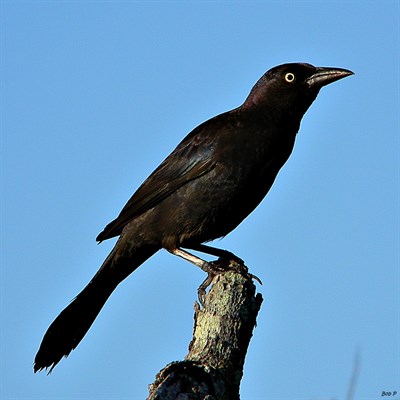
If you have ever spent more than five minutes in a suburban parking lot or a bustling city park, you have likely met the Great-tailed grackle. These large, iridescent blackbirds with their piercing yellow eyes and surprisingly diverse vocalizations—ranging from mechanical clicks to liquid whistles—are a staple of the American urban landscape. As someone who has spent years admiring the intelligence and adaptability of exotic birds, I find grackles fascinating. They are the ultimate survivalists, thriving where other species falter. However, as any seasoned pet owner or field researcher will tell you, their success comes with a side effect that we cannot afford to ignore: the potential for disease transmission.
The Rise of the Urban Grackle
Great-tailed grackles (Quiscalus mexicanus) are not just another bird species; they are an ecological success story. Over the last century, their geographic range has expanded dramatically, pushing northward from their traditional habitats. This expansion is largely fueled by human activity. We provide them with exactly what they need: concentrated food sources, artificial lighting that keeps them safe from nocturnal predators, and massive communal roosting sites in the form of ornamental trees and parking lot structures.
While their bold behavior and shiny plumage might be entertaining, their penchant for congregating in massive numbers creates a unique set of challenges. When hundreds or even thousands of birds share a single roosting site, the concentration of waste becomes significant. This is where the biological risks begin to surface, particularly for those of us living in high-density urban environments. Practicing preventive pet care in the city is essential when navigating these shared spaces with our canine and feline companions.
Groundbreaking Research: The Texas A&M Study
Dr. Sarah Hamer, director of the Schubot Exotic Bird Health Center and an associate professor at the Texas A&M College of Veterinary Medicine & Biomedical Sciences, has dedicated significant effort to understanding the microbial world these birds carry. Her team’s research is vital because it moves beyond anecdotal “annoyance” and into the realm of quantitative health risks. By trapping birds in everyday locations—like the parking lots where you buy your groceries—and collecting blood and fecal samples, they have provided a snapshot of the pathogens lurking in plain sight.
The study highlights a critical point: urban birds aren’t just “dirty”; they are carriers of specific, identifiable organisms that can cross species boundaries. While the research was conducted in a specific region, the findings are a warning bell for urban dwellers everywhere who share their environment with thriving avian populations.
Bacterial Threats: The Salmonella Connection
One of the primary concerns identified in the research was Salmonella. This bacterium is notorious for causing gastrointestinal distress in humans and pets alike. In the Texas A&M study, approximately 1.8 percent of the birds tested were actively shedding Salmonella in their feces. While a small percentage might seem negligible at first glance, consider the sheer volume of birds in a single roost. If you have 1,000 birds in a parking lot, nearly 20 of them are depositing live Salmonella onto the ground where you walk, where you park your car, and where you may accidentally roll your grocery cart.
Salmonella is hardy. It can survive in the environment for extended periods, especially in shaded or moist areas. For pet owners, this means that even if you don’t see a bird nearby, the residue they leave behind remains a potential hazard. If your dog steps in contaminated feces and later licks their paws, the transmission cycle is complete. Monitoring your pet for symptoms like lethargy or diarrhea is crucial, as these can be critical warning signs your pet needs an urgent vet visit.
Parasites and Microscopic Invaders
Beyond bacteria, the blood work analyzed by Dr. Hamer’s team revealed a complex ecosystem of parasites. Grackles were found to be hosts for:
- Microscopic Roundworms: These can affect the internal organs and overall vitality of the host.
- Protozoan Parasites: Specifically those related to avian malaria. While these specific strains don’t typically infect humans, they can devastate other bird populations, including pet birds kept in outdoor aviaries.
- Zoonotic Parasites: These are the “cross-over” organisms that can jump from wildlife to humans, making them a significant public health priority.
The presence of these parasites suggests that grackles are not just passive inhabitants of our cities; they are active reservoirs for a variety of biological agents. For those of us managing caring for multi-pet households, ensuring that all animals—from the dog to the backyard chicken—are protected from wildlife interactions is a full-time job.
The West Nile Virus Risk
Perhaps most concerning was the evidence of West Nile Virus (WNV). West Nile is a vector-borne disease, meaning it is spread by mosquitoes that bite infected birds and then bite humans or other animals. Grackles are known to be efficient “amplifying hosts” for WNV. This means that when a grackle is infected, the virus replicates to very high levels in its bloodstream, making it highly likely that a mosquito biting that bird will pick up the virus and pass it on.
While we cannot catch West Nile directly from a bird’s feathers, the presence of infected birds in our immediate vicinity—specifically in the parks where we walk our dogs or the backyards where our children play—increases the local “viral load” in the mosquito population. This creates a ripple effect of risk throughout the community.
How to Protect Yourself and Your Pets
Knowing the risks isn’t meant to cause panic; it’s meant to empower us with better hygiene practices. We don’t need to eliminate grackles, but we do need to respect the biological boundaries between us. Here are several actionable steps to minimize risk:
- Avoid the “Hot Zones”: Be mindful of where you walk. If a sidewalk is visibly coated in white bird droppings, take a different route. This is especially important for dogs, who explore the world with their noses and mouths.
- Sanitize Your Gear: If you’ve been shopping in a lot with a heavy grackle presence, use a disinfecting wipe on the handle of your shopping cart. If you use a stroller for your child or a pet, wipe down the wheels before bringing it inside your home.
- Paws and Shoes: Make it a habit to wipe your dog’s paws after walks in urban parks. Similarly, consider a “no shoes in the house” policy to prevent tracking avian pathogens onto your carpets.
- Mosquito Control: Since grackles can amplify West Nile Virus, maintaining a mosquito-free environment is critical. Empty standing water in your yard and use pet-safe repellents when spending time outdoors.
People Also Ask: Common Questions About Grackles
Are grackles aggressive toward pets?
Generally, no. Grackles are more interested in scavenging food than attacking pets. However, during nesting season, they can become very protective and may “dive-bomb” animals or humans that get too close to their nests. This is usually a bluffing tactic to drive you away, but it can be startling.
Can my cat get sick from watching grackles through a window?
Watching birds is a great source of mental stimulation for indoor cats and poses zero health risk. The danger only arises if a cat is allowed outdoors where they might hunt or come into direct contact with bird feces or infected mosquitoes.
Why are there so many more grackles now than in the past?
Grackles are highly adapted to human-modified landscapes. They love the “heat island” effect of cities, the lack of natural predators in urban centers, and the abundance of food waste. As we build more paved surfaces and shopping centers, we inadvertently create the perfect grackle habitat.
The Expert Verdict
As an exotic pet enthusiast, I believe the key to living alongside wildlife like the Great-tailed grackle is awareness and distance. These birds are a testament to nature’s resilience, but they are also a reminder that our urban ecosystems are complex. By understanding the bacteria and parasites they carry, we can take simple, effective steps to keep our homes and our beloved pets safe. It is entirely possible to admire the iridescent shimmer of a grackle’s wing from afar while ensuring that its microbial passengers don’t make it past your front door.
Final Thoughts and Key Takeaways
In summary, while the grackle is a common sight, it is far from harmless in a biological sense. The Texas A&M research highlights that Salmonella, West Nile Virus, and various parasites are actively circulating in these populations. To stay safe:
- Always wash your hands after visiting parks or handling items that have been outdoors.
- Keep pets on a leash to prevent them from investigating bird waste.
- Stay vigilant about local mosquito activity and bird die-offs, which can be early indicators of West Nile Virus in the area.
By following these protocols, you can enjoy the vibrant life of your city without compromising the health of your furry friends.


