As a lifelong animal enthusiast and someone who has shared their home with everything from high-energy Retrievers to delicate exotic rescues, I know that first true heatwave of the year brings a mix of excitement and anxiety. We love the sun, the long days, and the outdoor adventures, but for our animal companions, summer isn’t just about ‘fun in the sun.’ It is a biological challenge. When the mercury begins to climb, our pets rely on us entirely to manage their environment. They don’t have the luxury of adjusting the thermostat or grabbing an iced latte when the humidity becomes stifling. Over the years, I have seen how quickly a pleasant afternoon walk can turn into a life-threatening emergency, and it is my mission to ensure your furry, feathered, or scaled friends stay as comfortable as possible during these peak months.
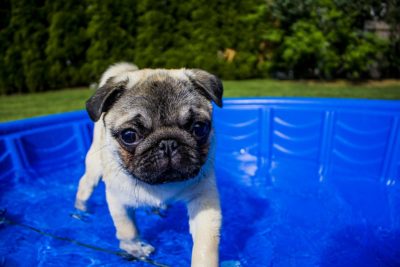
The reality is simple but sobering: if you are feeling the heat, your pet is likely feeling it even more. Dogs and cats have a higher baseline body temperature than humans, and their mechanisms for shedding that heat are significantly less efficient than ours. While we can sweat from almost every inch of our skin, our pets are limited to very small surface areas. This biological disadvantage means that as responsible owners, we must be proactive rather than reactive. In this guide, we will dive deep into the science of how pets handle heat, identify the high-risk groups that need extra attention, and provide actionable strategies to ensure your summer remains a season of joy rather than a trip to the emergency vet.
The Biology of Overheating: Why Pets Struggle
To keep our pets safe, we first have to understand how they function. Unlike humans, who use evaporative cooling across the entire body, dogs and cats only sweat through their paw pads. This is a very small amount of surface area relative to their total body mass. Their primary method of cooling is panting. Panting is a form of evaporative cooling where moisture on the tongue and the lining of the lungs evaporates, taking heat with it. However, this system relies heavily on the quality of the air they are breathing. If the air is too humid, the moisture cannot evaporate efficiently, and if the air is too hot, the pet is essentially ‘cooling’ themselves with warm air.
Furthermore, most of our pets are walking around in permanent fur coats. While some coats provide a level of insulation against the sun, a thick double coat or a long, matted mane can trap heat against the skin like a thermal blanket. Understanding this biological hurdle is the first step in taking proper care of your pet during the summer months. To learn more about holistic health management, you can explore my thoughts on taking proper care of your pet in every way to ensure they thrive year-round.
The Vulnerable Population: Who is Most at Risk?
Not all pets are created equal when it comes to heat tolerance. As Dr. Christine Rutter from the Texas A&M College of Veterinary Medicine & Biomedical Sciences points out, certain factors make an animal significantly more susceptible to heatstroke. These include:
- Brachycephalic Breeds: Animals with ‘smushed’ faces, such as Bulldogs, Pugs, and Persian cats, have narrowed airways. This makes the panting process incredibly inefficient. If you hear snoring, gurgling, or excessive snorting, that is a sign that your pet is already struggling to move air.
- Age Extremes: Very young puppies and kittens, as well as senior animals, lack the robust thermoregulation found in healthy adults.
- Health Conditions: Obesity is a major risk factor. Fat acts as an insulator, and the extra weight puts a massive strain on the heart and lungs during heat events. Pets on certain medications or those with heart and respiratory issues are also at high risk.
- Coats and Grooming: While some think shaving a dog is the answer, it can actually lead to sunburn. However, keeping the coat clean and free of mats is essential for air circulation.
Strategies for Indoor and Outdoor Safety
The most straightforward advice is often the best: keep your pets inside an air-conditioned environment during the hottest parts of the day, typically between 10:00 AM and 6:00 PM. But life happens, and sometimes pets need to be outdoors. When they are, shade is not a luxury—it is a requirement. Realize that ‘shade’ moves with the sun. A spot that is cool at 9:00 AM might be in the direct line of fire by noon.
Hydration is your pet’s best friend. Always provide multiple sources of fresh, cool water. For cats, who can be notoriously picky about their water intake, consider a circulating fountain. For dogs, adding a few ice cubes can be a fun way to keep the water temperature down. If you have a backyard, a shallow plastic pool filled with cool water can be a life-saver for water-loving breeds. However, always supervise water play to prevent accidents.
Protecting the Paws
One of the most overlooked summer hazards is the pavement. Asphalt and concrete soak up solar radiation and can reach temperatures exceeding 140°F (60°C) when the air temperature is only 80°F. At these temperatures, your pet’s paw pads can suffer second and third-degree burns in just minutes. I always recommend the ‘seven-second rule’: press the back of your hand to the pavement for seven seconds. If it’s too hot for you, it’s far too hot for your dog. For more detailed advice on maintaining healthy feet, check out our guide on taking care of a dogs paws effectively.
The Specific Needs of Exotic and Small Pets
While dogs and cats get most of the attention, small mammals like rabbits and guinea pigs are actually even more sensitive to heat. These animals originate from environments where they can burrow underground to escape the sun. In a cage or a hutch, they are trapped. A guinea pig can suffer from heatstroke in temperatures as low as 80°F if the humidity is high and ventilation is poor. If you are a fan of these small companions, you might find it interesting to learn more about the different guinea pig breeds and how their specific coat types might affect their heat tolerance.
For these small pets, I recommend the ‘frozen bottle’ trick. Fill a plastic water bottle, freeze it, wrap it in a thin towel, and place it in their enclosure. This provides a ‘cool zone’ they can lean against to lower their body temperature. Ensure their cages are never in direct sunlight coming through a window, as the ‘greenhouse effect’ can raise temperatures inside the cage to lethal levels very quickly.
Recognizing the Warning Signs: Heat Exhaustion vs. Heatstroke
Distinguishing between a pet that is ‘just hot’ and a pet in a medical crisis is vital. Heat exhaustion is the body’s early warning system. It manifests as lethargy, heavy panting, and a general reluctance to move. Think of it as the body saying ‘slow down or else.’
Heatstroke is the full-blown emergency. This is when the body’s internal temperature rises to a point where organ damage begins. Signs of heatstroke include:
- Bright red or purple gums.
- Vomiting or diarrhea.
- Excessive drooling with thick, ropey saliva.
- Dizziness, stumbling, or lack of coordination.
- Small red bruises on the skin or inside the mouth.
- Seizures or collapse.
If you suspect heatstroke, every second counts. Immediately move the pet to a cool area and begin wetting them down with cool (not cold) water. Avoid using ice water, as this can cause the blood vessels to constrict, which actually traps heat inside the body’s core. Use a fan to increase evaporative cooling and call your veterinarian immediately.
People Also Ask: Common Summer Pet Questions
Can I leave my pet in the car for ‘just a minute’?
Absolutely not. Even with the windows cracked, the temperature inside a car can rise by 20 degrees in just ten minutes. On a 75-degree day, the interior of a car can reach 110 degrees in less than half an hour. It is never worth the risk.
Should I shave my long-haired dog for the summer?
Generally, no. For double-coated breeds (like Huskies or Golden Retrievers), the fur actually acts as insulation against the heat and protects the skin from sunburn. Instead, focus on thorough brushing to remove the dead undercoat, which allows air to reach the skin.
Is it okay to give my dog ice cubes?
Yes, for most healthy dogs, ice cubes are a safe and refreshing treat. However, if a dog is already suffering from heatstroke, do not force them to eat ice, as it can be a choking hazard and may drop their temperature too rapidly.
The Expert Verdict: A Final Word of Caution
As we navigate the beautiful, sunny days of summer, the best tool in your kit is vigilance. We often treat our pets like they are invincible athletes, especially the high-energy breeds used for agility or working tasks. But these dogs are so motivated to please us that they will literally work themselves to death in the heat. It is our job to be the ‘fun police’ and force them to take breaks. Set a timer: every 15 minutes of play deserves 15 minutes of rest in the shade with a bowl of water.
By staying informed and being mindful of the subtle signals our pets send us, we can ensure that summer remains a time of happy memories. Remember, it is always better to be over-cautious. If your gut tells you it’s too hot, it probably is. Keep them cool, keep them hydrated, and keep them safe!


