As a lifelong enthusiast of exotic pets and large-animal companions, I know there is something uniquely rewarding about sharing your life with a pig. Whether you have a massive farm hog or a quirky pot-bellied pig living in your backyard, these animals are highly intelligent, social, and deeply sensitive. However, that sensitivity also makes them susceptible to various health challenges. One of the most historically significant and physically distressing conditions we face as pig owners is Erysipelas, more commonly known as Diamond Skin Disease. While the name sounds almost poetic, the reality is far from it. It is an infection that causes significant pain, systemic illness, and, in tragic cases, can be fatal if the owner doesn’t catch it in time.
Understanding Diamond Skin Disease isn’t just about spotting a few marks on the skin; it is about understanding the delicate biology of these animals and how their environment plays a role in their overall well-being. In my years of working with various livestock and exotic species, I have learned that the best defense is always a proactive offense. By educating ourselves on the symptoms, the transmission routes, and the highly effective preventative measures available today, we can ensure our porcine friends live long, happy lives. This guide will walk you through everything you need to know about protecting your pig from this pervasive bacterium.
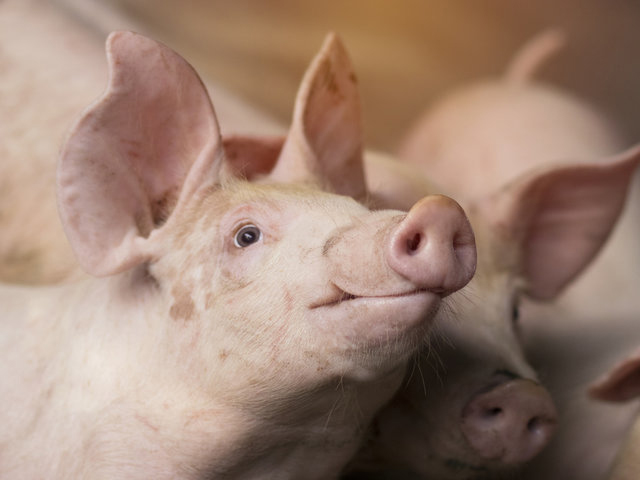
What Exactly is Diamond Skin Disease?
Diamond Skin Disease is the common name for an infection caused by the bacterium Erysipelothrix rhusiopathiae. This organism is incredibly resilient and is found in pig populations worldwide. In fact, it is considered one of the oldest known infectious diseases in the swine industry. While it is a major concern for commercial farmers, it is equally dangerous for the beloved pet pig living in a residential setting.
The name “diamond skin” comes from the distinct, rhomboid-shaped skin lesions that often (though not always) appear during an outbreak. These lesions are more than just a rash; they are a visual manifestation of vasculitis, or the inflammation of the blood vessels. When the bacteria enter the bloodstream, they cause small clots in the capillary beds. This blocks blood flow to specific patches of skin, leading to tissue death in those characteristic geometric patterns. If you see these shapes, it is a clear signal that the body is under a severe systemic attack.
Recognizing the Symptoms Beyond the Diamonds
One of the biggest mistakes a pet owner can make is waiting for the “diamonds” to appear before calling a veterinarian. According to experts like Dr. Kevin Washburn and Dr. Bridget Savitske from the Texas A&M School of Veterinary Medicine & Biomedical Sciences, the disease can manifest in several different forms. Sometimes, the skin lesions are the very last symptom to appear, or they may never appear at all in acute cases.
The earliest signs of Diamond Skin Disease are often behavioral. You might notice your pig becoming lethargic or showing signs of depression. They may lose interest in their favorite treats or refuse to get up for their morning meal. A high fever is also a hallmark of the infection, often reaching 104°F to 108°F. Because pigs do not sweat, a fever of this magnitude is incredibly taxing on their internal organs. If the infection progresses without treatment, it can lead to sepsis—a life-threatening response to infection that can cause organ failure and sudden death.
The Transmission Route: How Pigs Get Sick
How does a healthy pig suddenly contract such a nasty infection? The answer is usually right under their hooves. The bacteria responsible for Erysipelas are shed in the fecal matter and nasal secretions of infected animals. Because the bacteria are remarkably hardy, they can survive for long periods in the soil. Pigs, being the natural rooters they are, often ingest the bacteria while foraging or playing in the dirt.
Environmental contamination is the primary driver of outbreaks. If your pig’s living area is not regularly cleaned, or if their food and water sources become contaminated with soil or waste, the risk increases exponentially. This is why maintaining a hygienic habitat is so critical. For those of us who prioritize a clean environment, the ultimate comfort and long-lasting clean with Carefresh bedding can be a game-changer in keeping indoor or sheltered areas sanitary, though outdoor pigs will always face some exposure from the earth itself.
Zoonotic Risks: Can Humans Get Diamond Skin Disease?
It is a common question among concerned pet parents: Can I catch this from my pig? The short answer is yes, but it manifests differently in humans. In people, the infection is typically referred to as Erysipeloid. It usually occurs when the bacteria enter a cut or scratch on the skin, often during handling or cleaning of an infected animal.
While Erysipeloid in humans is usually a localized skin infection, it can occasionally lead to systemic issues or sepsis if left untreated. To stay safe, experts advise avoiding “kisses” or close facial contact with a sick pig. Always wash your hands thoroughly after handling your pet, and if your pig is diagnosed with the disease, keep them in an outdoor or isolated area until they have cleared the infection. Taking proper care of your pet in every way involves recognizing that their health and your health are often linked, as seen in taking proper care of your pet in every way for a holistic approach to home safety.
The Solution: A Robust Vaccination Schedule
The best news regarding Diamond Skin Disease is that it is highly preventable. We are lucky to live in an age where effective vaccines are readily available. Most veterinarians recommend a specific protocol to ensure long-term immunity. Typically, a pig should receive their first vaccination as a weanling (when they start eating solid food). This is followed by a booster shot three weeks later to solidify the immune response. After this initial series, an annual booster is required to maintain protection.
Interestingly, many pig vaccines are “combination shots.” This means your pig can be protected against Erysipelas and other common threats, such as respiratory issues or reproductive diseases, with a single injection. This is particularly helpful because keeping the respiratory system healthy is another cornerstone of swine wellness. You can learn more about general livestock health in our guide on breathing easy and protecting livestock from respiratory disease. Always consult with your veterinarian to determine which combination is best for your specific pet’s lifestyle and risk factors.
Environmental Hygiene and Best Practices
While vaccination is the gold standard for prevention, your daily management routines play a supporting role. Bacteria thrive in damp, dirty conditions. To minimize risk, follow these best practices:
- Clean Water: Always provide fresh, clean water in a container that cannot be easily tipped over or contaminated with mud.
- Proper Food Storage: Store pig feed in airtight, rodent-proof containers. Rodents can carry various diseases and contaminate food with their droppings.
- Sanitary Bedding: Regularly remove soiled bedding and replace it with fresh material. This reduces the bacterial load in the pig’s immediate sleeping environment.
- Monitor Behavior: Spend time with your pig every day. Being familiar with their “normal” behavior is the only way you will notice the subtle lethargy that precedes a major illness.
People Also Ask
Is Diamond Skin Disease fatal?
If left untreated, yes, it can be fatal. The infection can lead to sepsis or chronic heart issues (endocarditis). However, if caught early, it often responds well to antibiotics like penicillin.
Can indoor pigs get Erysipelas?
Yes. While the risk is lower than for pigs living entirely outdoors, the bacteria can be tracked inside on your shoes or brought in through contaminated bedding and food.
Do all infected pigs get the diamond marks?
No. In many cases, especially the “acute” or “peracute” forms, the pig may become severely ill or die before the skin lesions have time to develop. Behavioral changes are a more reliable early warning sign.
How long does the Erysipelas bacteria live in the soil?
The bacteria are extremely hardy and can survive in the soil for several months, and in some cases even years, depending on the moisture levels and temperature.
Expert Verdict: A Manageable Threat
In my professional opinion, Diamond Skin Disease is one of those “scary” illnesses that doesn’t have to be scary if you are prepared. It is a classic example of how modern veterinary medicine and good old-fashioned animal husbandry work together. If you stay on top of your annual vaccinations and keep your pig’s environment clean, the chances of your pet suffering from Erysipelas are remarkably low. The key is never to become complacent. Even if your pig seems perfectly healthy, that annual booster is a small price to pay for the peace of mind it provides.
Conclusion and Actionable Steps
Protecting your pig from Diamond Skin Disease is a multi-step process that starts with awareness and ends with consistent care. To summarize your action plan:
- Schedule a Vet Visit: If your pig hasn’t been vaccinated or is due for a booster, call your vet today.
- Audit the Environment: Check where you store your food and how often you clean the bedding. Small improvements can lead to big health gains.
- Know the Signs: Keep an eye out for lethargy, loss of appetite, and a high fever. Act fast if you see these symptoms.
- Practice Safety: Remember that this is a zoonotic disease; use gloves or wash thoroughly if you suspect your pig is ill.
Your pig relies on you to be their advocate. By staying informed about conditions like Erysipelas, you are providing them with the best possible chance at a long, healthy, and “diamond-free” life!


