There is a specific smell to the air when the summer rain hits parched earth—that heavy, humid scent that usually promises a beautiful rainbow. But for those of us who spend our days tending to livestock and exotic farm animals, that humidity often signals the start of a much more frustrating season: the explosion of external parasites. If you have ever watched your favorite horse frantically swish its tail or seen a herd of cattle huddled together, visibly stressed by a cloud of flies, you know exactly what I am talking about. It is more than just a nuisance; it is a battle for the health and well-being of the animals we love and care for.
The Hidden Dangers of the Summer Buzz
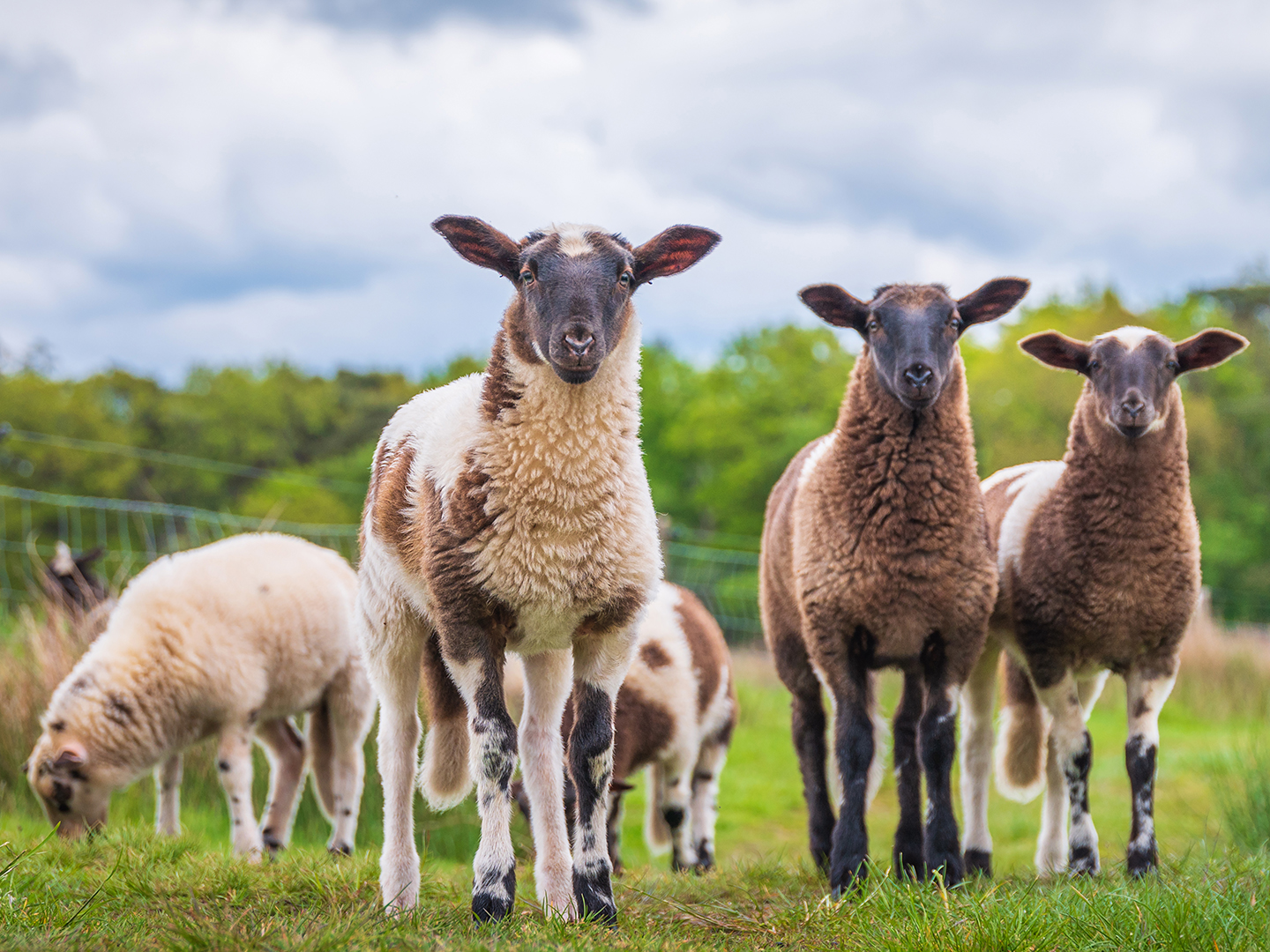
While many see flies, ticks, and mosquitoes as a simple part of country life, as a long-time enthusiast and caregiver, I have learned that these pests are far more sinister. According to Dr. Isabelle Louge from the Texas A&M School of Veterinary Medicine & Biomedical Sciences, the shift into warm, wet weather creates a literal breeding ground for trouble. Livestock such as horses, pigs, cows, sheep, and goats are particularly vulnerable during this time. The irritation alone is enough to impact their quality of life, but the secondary health risks are what should really keep us on our toes.
When we talk about external parasites, we aren’t just talking about a few itchy bites. We are looking at a lineup of culprits including horse-flies, deer-flies, horn-flies, sand-flies, and face-flies. Beyond the flies, we also have to contend with mites, mosquitoes, ticks, and lice. These pests are vectors for diseases that can devastate a farm. From painful eye infections like pinkeye to the terrifying prospect of “abortion storms”—where a sudden wave of pregnancy losses hits a herd—the stakes are incredibly high.
Why Parasite Control is Crucial for Animal Welfare
It is heartbreaking to see an animal lose its “bloom” because it is constantly fighting off insects. Dr. Louge points out that insects can cause animals to drop body condition simply by distracting them from eating. Imagine trying to enjoy a meal while hundreds of needles are poking at you; eventually, you’d stop eating, too. Furthermore, the physical reaction to flies—specifically the constant stomping to clear their legs—can lead to deteriorating hoof quality. Constant impact on hard or muddy ground causes cracks and chips, opening the door for lameness and infection.
For those of us raising young animals, the threat is even more acute. Their immune systems are still developing, and a heavy parasite load can lead to anemia or severe skin lesions. If you are also managing smaller domestic animals alongside your livestock, you might find my guide on tick and flea management in puppies helpful for ensuring the little ones stay safe while exploring the barnyard.
The Most Common Seasonal Pests
- Face Flies: These are notorious for hovering around the eyes, feeding on secretions and spreading the bacteria that cause infectious bovine keratoconjunctivitis (pinkeye).
- Horn Flies: They stay on the animal almost 24/7, piercing the skin and sucking blood, which causes significant pain and weight loss.
- Ticks: These arachnids can transmit Lyme disease, Anaplasmosis, and other blood-borne pathogens that can lead to chronic health issues.
- Mosquitoes: Beyond the itch, they are the primary vectors for West Nile Virus and Eastern Equine Encephalitis (EEE) in horses.
Environmental Management: Your First Line of Defense
I always tell fellow owners that the best way to fight parasites is to prevent them from ever being born. This starts with meticulous environment management. Flies love manure. It is their nursery. By staying diligent with manure removal in pens and stalls, you are effectively cutting off their reproductive cycle. It’s hard work, but it pays dividends in the long run.
Water hygiene is equally critical. Standing water is the primary breeding site for mosquitoes and sand flies. After a summer rain, take a walk around your property. Empty those forgotten buckets, clear out clogged gutters, and ensure that water troughs are scrubbed and refilled frequently. If you have ponds or low-lying areas that collect water, consider using “mosquito dunks” or other biological controls that are safe for livestock but deadly to larvae.
Maintaining a clean environment is part of the broader philosophy of taking proper care of your pet in every way, ensuring their surroundings support their health rather than compromise it.
Mechanical and Chemical Barriers
Once the environment is as clean as possible, we look at physical and chemical interventions. In the heat of summer, industrial-grade fans in stalls can be a lifesaver. Most biting flies are relatively weak fliers; a steady breeze makes it nearly impossible for them to land on your animals. Fly masks and fly sheets are also excellent mechanical barriers, especially for horses prone to eye irritation.
Then we have the pesticides. Fly tags, pour-on products, and sprays are common over-the-counter options. However, as Dr. Louge warns, these should be used with extreme caution. These are powerful chemicals that can contaminate local waterways and kill off beneficial insects, like the ones that actually help control the fly population. Always read the label and ensure the product is specifically rated for the species you are treating. What is safe for a cow might be toxic to a pig or a cat.
Protecting Respiratory Health
It’s also worth noting that many topical treatments and high-dust environments can impact an animal’s breathing. When you’re managing a herd in a dusty summer lot, keeping an eye on their lungs is just as important as watching their skin. You can learn more about protecting livestock from respiratory disease to ensure your summer management plan is truly comprehensive.
People Also Ask: Common Concerns
How do I know if my livestock have a serious parasite problem?
Look for signs of “fly worry,” which includes constant tail switching, skin twitching, bunching together in corners, and reduced grazing time. Physical signs include hair loss, crusty lesions, and runny eyes. If an animal is lethargic or losing weight despite good forage, it’s time to call the vet.
Can external parasites affect the milk or meat quality?
Yes. The stress and blood loss caused by heavy parasite loads can significantly reduce milk production and slow down weight gain in meat animals. Furthermore, certain diseases transmitted by these pests can render the products unsafe or lower their quality.
Are there natural ways to control flies?
Many owners use “fly predators”—tiny, non-stinging wasps that eat fly pupae. Diatomaceous earth can also be used in some bedding areas, and certain essential oils (like cedar or lemongrass) can provide short-term relief, though they aren’t as effective as traditional pesticides for heavy infestations.
Expert Verdict: A Holistic Approach is Best
In my experience, no single product is a “silver bullet.” The most successful owners I know use an Integrated Pest Management (IPM) approach. This means combining cleanliness, mechanical barriers, and strategic chemical use. It is a constant cycle of monitoring and adjusting based on the weather and the specific pests you see appearing on your animals.
Remember, your veterinarian is your best resource. They can help identify specific species of mites or lice that might be resistant to common store-bought treatments. If you notice a sudden drop in health or an “abortion storm” within your herd, do not wait—professional intervention is vital to saving your season and your animals.
Conclusion: Key Takeaways for Owners
Keeping our animals safe from summer parasites is a labor of love that requires daily attention. By focusing on manure management, water hygiene, and sensible pesticide use, you can significantly lower the risk of disease and distress on your farm. Take the time to observe your animals every day; their behavior will often tell you they have a problem long before you see the physical wounds.
Stay proactive, keep those water buckets clean, and don’t be afraid to ask for help when the bugs start to win. Here’s to a safe, healthy, and hopefully itch-free summer for all our four-legged friends!


