As we navigate our own journeys through the aging process, we often find our dietary needs shifting, our joints a bit stiffer, and our energy levels requiring more frequent recharge. Our beloved guinea pigs, or ‘piggies,’ are no different. In the world of exotic pets, a guinea pig is generally considered a senior by the age of four. While their average lifespan is typically cited as five to seven years, advancements in exotic veterinary medicine and home care have seen many reaching the ripe age of nine or even ten. Providing high-quality care during these later stages isn’t just about prolonging life; it is about ensuring their final years are comfortable, dignified, and full of the ‘wheeks’ we love so much. This guide explores the essential health practices, environmental adjustments, and nutritional pivots required to support an aging guinea pig.
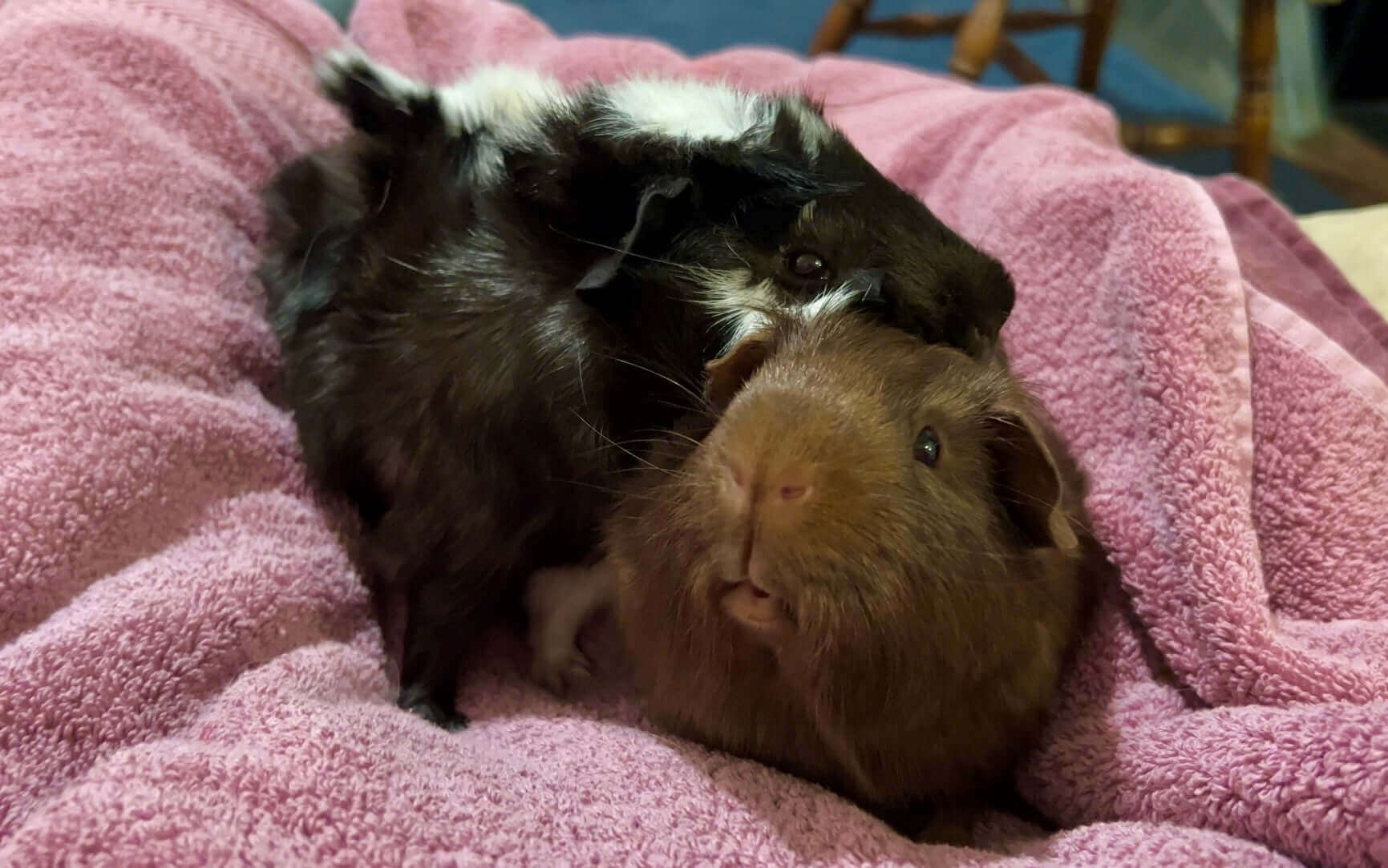
Understanding the Senior Milestone: 4 Years and Beyond
While a one-year-old guinea pig is a bustling bundle of energy, the transition into the senior phase around year four brings subtle changes. Genetic heritage plays a role in how a piggy ages, but environmental factors and husbandry are the primary drivers of longevity. In recent years, data from exotic animal registries suggest that consistent weight monitoring and preventative diagnostics are the leading factors in extending the lives of these small herbivores. As your guinea pig enters this stage, you may notice they are less likely to ‘popcorn’—that adorable, explosive jumping and twisting behavior—and more likely to spend their afternoons in a deep nap. Recognizing these shifts as a natural part of the life cycle allows you to adapt your care routine before health issues become crises.
The Golden Rule of Senior Care: Rigorous Weight Monitoring
For a guinea pig, weight is the most reliable barometer of overall health. Because they are prey animals, they are biologically programmed to hide illness until it is often too late. Weight loss is frequently the first—and sometimes only—outward sign that something is wrong. In senior pigs, a gradual loss of muscle tone and weight is common, but it must be tracked with precision. Veterinary experts recommend using a digital kitchen scale to weigh senior guinea pigs in grams, as this unit offers the sensitivity needed to catch small fluctuations that a standard pound/ounce scale might miss.
It is not unusual for a senior pig to weigh 80 to 100 grams less than they did in their prime (age 2 or 3). However, the rate of loss is critical. A slow decrease over ten months is often age-related muscle wasting; a loss of 30 grams or more in a single week is a red flag indicating a medical emergency. To ensure accuracy, always weigh your pet at the same time of day. If your piggy is too wiggly, place them in a cozy hidey-hole or a small box on the scale, then subtract the weight of the container afterward. Consistency in record-keeping can literally save their life, providing your vet with a data-driven history of their metabolic health.
Hygiene and Habitat: Preventing Bumblefoot and Soiling
Because older guinea pigs spend more time resting, they are at a significantly higher risk for pododermatitis, commonly known as Bumblefoot. This is a painful bacterial infection of the footpads that occurs when a guinea pig stands or lies on soiled, damp bedding for extended periods. As their activity levels drop, urine and feces tend to accumulate in their favorite napping spots.
To combat this, switch to highly absorbent bedding materials, such as high-quality paper-based products like Carefresh. This type of bedding provides a soft, dry surface that cushions aging joints and wicks moisture away from the skin. Regular ‘spot cleaning’ of their preferred sleeping corners—sometimes twice daily—is essential for seniors. Additionally, check their footpads weekly for redness or swelling; early detection of Bumblefoot is key to avoiding deep-tissue infections that can lead to bone involvement.
Navigating Common Senior Health Ailments
While senior guinea pigs can suffer from the same issues as younger ones, certain conditions become statistically more likely after the age of four:
- Dental Malocclusion: A guinea pig’s teeth grow continuously throughout their life. Senior pigs may experience shifts in their jaw alignment or tooth density, leading to overgrowth. Watch for drooling (‘slobbers’), dropping food, or a preference for soft vegetables over hay.
- Arthritis: Just like humans, guinea pigs can develop stiff, painful joints. You might notice them dragging a leg slightly or becoming reluctant to move. Modern exotic vets can often prescribe safe, long-term anti-inflammatory medications to restore mobility.
- Ovarian Cysts: In older females, hormonal changes can lead to large cysts on the ovaries. Symptoms include bilateral hair loss on the flanks and crusty nipples. While surgery is the definitive cure, it can be risky for seniors, so consult an avian and exotic specialist regarding hormone injections or drainage.
- Anal Impaction: This is a specific concern for aging males. As the muscles of the anal sac weaken, they can no longer easily expel the ‘cecotropes’ (soft, nutrient-rich droppings they re-ingest). This material becomes trapped, creating a blockage. Owners must perform daily ‘butt checks’ and manually clear the impaction to prevent discomfort and digestive shutdown.
Nutritional Shifts: Calcium and Hydration
An aging body processes nutrients differently. Senior guinea pigs are particularly prone to calcium-based kidney or bladder stones. While younger pigs need more calcium for bone growth, an excess in seniors can lead to painful stones and bloody urine. Consider transitioning to a low-calcium, high-fiber pellet and limit dark leafy greens like dandelion or mustard greens. Timothy hay should remain the foundation of their diet, available in unlimited quantities to aid both digestion and dental wear.
Hydration is equally vital. If you notice your guinea pig spending more time at the water bottle, it could indicate underlying kidney issues or the onset of diabetes. Always provide fresh, filtered water and monitor their intake. For pigs that struggle to stay hydrated, offering ‘wet’ veggies like cucumber or bell pepper can provide a much-needed boost.
Expert Review and Verdict
Expert Opinion: Exotic veterinarians frequently emphasize that ‘age is not a disease.’ While senior guinea pigs require more vigilance, many of the conditions associated with aging are manageable with early intervention. The consensus among specialists is that bi-annual vet check-ups for pigs over four years old are the gold standard for care.
Verdict: The most critical tool in your arsenal is observation. By knowing your piggy’s ‘normal’—their favorite foods, their typical activity levels, and their baseline weight—you become the most important member of their healthcare team. Proactive care, such as keeping Oxbow Critical Care (a powdered recovery food) in your freezer for emergencies, can bridge the gap between a health dip and a professional veterinary consultation.
Frequently Asked Questions (FAQ)
1. How can I tell if my senior guinea pig is in pain?
Guinea pigs are experts at hiding pain. Look for subtle signs: ‘hunched’ posture, squinted eyes, grinding teeth (loudly), or a sudden change in temperament, such as nipping when handled.
2. Is it safe to keep a senior pig alone if their partner passes away?
Guinea pigs are social animals and can suffer from depression when alone. However, introducing a high-energy baby to a sedentary senior can be stressful. Consider ‘speed dating’ at a local rescue to find a calm companion of a similar age.
3. What should I do if my senior pig stops eating?
This is a medical emergency. Their digestive system (gut motility) must keep moving. Begin syringe-feeding a recovery formula like Critical Care immediately and contact an exotic vet within 12-24 hours.
4. Can senior guinea pigs still have floor time?
Absolutely! Mobility is good for their joints. Just ensure the floor is non-slip (use rugs or towels) and that there are no drafts. Keep the sessions shorter and observe for signs of fatigue.
Conclusion
Caring for an aging guinea pig is a deeply rewarding experience that strengthens the bond between pet and owner. It requires a shift from the playful, low-maintenance care of their youth to a more mindful, observant approach. By prioritizing meticulous weight tracking, superior hygiene, and a specialized senior diet, you can mitigate the risks of age-related ailments. Remember to set aside a small ’emergency fund’ weekly to offset the costs of specialized exotic care. Our small companions give us so much joy; in their twilight years, they deserve nothing less than our utmost patience, love, and professional medical attention.


