If you are a pet owner in Roseville, you likely prioritize your companion’s nutrition, exercise, and vaccinations. However, there is a silent health crisis brewing in the mouths of many local dogs and cats that often goes unnoticed until it is too late. Dental issues are far more than just a matter of ‘dog breath’; they are a gateway to systemic diseases that can significantly shorten a pet’s lifespan. By the age of three, a staggering 80% of dogs and 70% of cats show signs of oral disease. Ignoring these early warnings can lead to chronic pain, hidden infections, and even organ failure. Understanding the nuances of routine dental care is not just about a bright smile—it is about ensuring your furry friend lives a long, comfortable, and vibrant life. In this comprehensive guide, we will explore why dental health is the cornerstone of modern pet wellness and how proactive measures today can save you thousands in emergency veterinary bills tomorrow.
The Silent Epidemic: Understanding Periodontal Disease in 2024
According to recent data from the American Veterinary Dental College, periodontal disease is the most frequently diagnosed health problem in small animal practice. It begins subtly. Plaque—a biofilm of bacteria—forms on the teeth within hours of eating. If not removed through brushing, it hardens into tartar (calculus) within 24 to 48 hours. Unlike plaque, tartar cannot be brushed away; it requires professional intervention.
The real danger lies beneath the gumline. Bacteria thrive in the subgingival space, secreting toxins that trigger an inflammatory response. This inflammation destroys the supporting tissues of the tooth, leading to periodontal pockets, bone loss, and eventually, tooth exfoliation. In 2024, veterinary researchers have highlighted a direct correlation between the severity of periodontal disease and the presence of systemic markers for inflammation, proving that a ‘dirty mouth’ affects the entire biological system of your pet.
Common Oral Pathologies in Dogs and Cats
- Tooth Resorption: Particularly common in cats, this painful condition involves the body’s own cells breaking down the tooth structure. It is often hidden under the gums and requires X-rays to diagnose.
- Fractured Teeth: Usually caused by chewing on hard toys or stones, exposed pulp can lead to excruciating abscesses.
- Stomatitis: A severe, generalized inflammation of the oral mucosa that can make eating almost impossible.
- Oral Tumors: These can be benign or malignant, making regular inspections vital for early cancer detection.
Recognizing the Red Flags: Is Your Pet in Pain?
Pets are masters at hiding discomfort—a survival instinct inherited from their wild ancestors. Often, owners believe their pet is just ‘getting old’ when they become less active, not realizing that the animal is actually suffering from chronic oral pain. Halitosis (bad breath) is the most common sign, but it should never be dismissed as normal. If your pet’s breath can clear a room, there is an active infection present.
Watch for behavioral shifts such as pawing at the mouth, dropping food while eating (quidding), or a sudden preference for wet food over dry kibble. In more advanced cases, you may notice facial swelling just below the eye, which often indicates a root abscess. By the time a pet stops eating entirely, the dental disease is usually in an advanced stage, requiring urgent and often invasive surgery.
The Systemic Link: How Oral Bacteria Attack the Heart and Kidneys
Modern veterinary medicine emphasizes that the mouth is the ‘gateway’ to the body. When the gums are inflamed and bleeding, they provide a direct highway for bacteria to enter the bloodstream (bacteremia). Studies have shown that these bacteria can travel to the heart valves, causing endocarditis, or to the kidneys and liver, leading to micro-abscesses and functional decline.
A 2023 retrospective study involving over 100,000 dogs found that those with regular professional dental cleanings had a significantly lower risk of developing chronic kidney disease compared to those who received no dental care. This underscores that routine cleanings are not a luxury; they are a life-extending medical necessity.
Professional Veterinary Dental Services: What to Expect
Many owners in Roseville feel anxious about the word ‘anesthesia,’ but it is the only way to perform a safe and thorough dental cleaning. A professional procedure involves dental scaling with ultrasonic tools to remove tartar above and below the gumline, followed by polishing to smooth the enamel. Polishing is critical because it prevents new plaque from adhering to the micro-scratches left by scaling.
Furthermore, a comprehensive exam includes intraoral radiographs (X-rays). Since 60% of a tooth’s structure is hidden below the gumline, X-rays are the only way to detect ‘blind’ abscesses or bone decay. Advanced clinics now use digital imaging to provide instant results, allowing for precise treatment during the same anesthetic session.
The Gold Standard of At-Home Maintenance
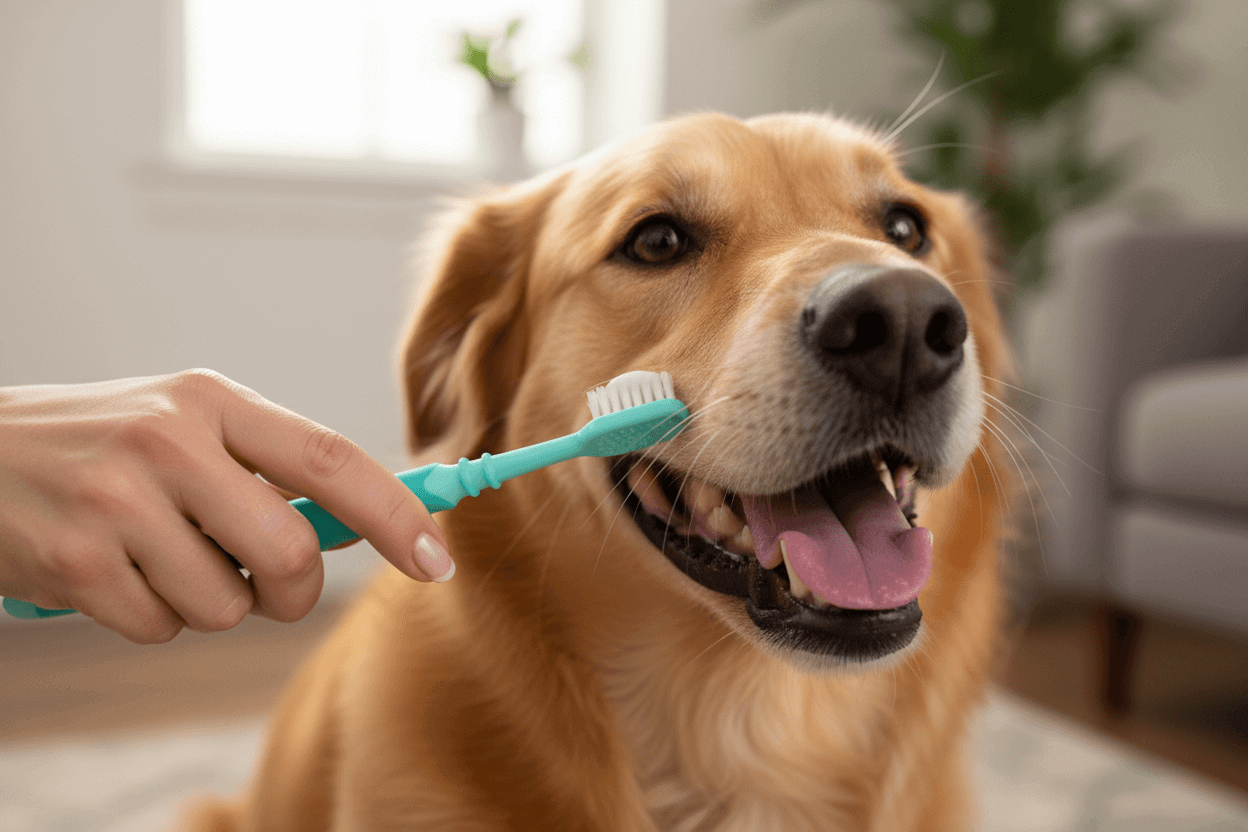
While professional cleanings are essential, at-home care is what maintains the results. Daily brushing remains the gold standard. Use a soft-bristled brush and pet-specific toothpaste—never human toothpaste, as the fluoride and xylitol can be toxic to animals. If your pet is resistant, start by let them lick the paste off your finger, gradually moving to a finger brush, and finally a full toothbrush.
For pets that simply won’t tolerate brushing, look for products with the VOHC (Veterinary Oral Health Council) Seal of Acceptance. These include specific dental diets, water additives, and enzymatic chews that have been clinically proven to reduce plaque and tartar buildup. Avoid hard bones or cow hooves, which frequently cause tooth fractures.
Expert Review: The Veterinary Verdict
Expert veterinarians in Roseville agree that the most significant barrier to pet health is the misconception that dental care is optional. “We often see pets who have been suffering in silence for years,” says a leading local practitioner. The verdict is clear: A combination of daily home care and annual professional exams is the only way to prevent the painful complications of periodontal disease. Investing in preventative care is far more cost-effective than treating the systemic organ failures that result from long-term oral neglect.
Frequently Asked Questions
How often should my pet have a professional dental cleaning?
Most pets benefit from an annual cleaning starting at age 2 or 3. However, certain breeds, especially small dogs like Chihuahuas or Yorkies, may require cleanings every six months due to their crowded tooth structure.
Is anesthesia safe for older pets?
Age is not a disease. With modern pre-anesthetic bloodwork and personalized monitoring protocols, anesthesia is very safe even for senior pets. The risk of untreated infection is usually much higher than the risk of the procedure itself.
Can I just use a dental scraper at home?
No. Using a metal scraper on a conscious pet is dangerous. You can easily slip and injure the gums, and without polishing the tooth afterward, you leave a rough surface that actually accelerates tartar buildup.
Are dental chews enough to keep teeth clean?
While high-quality chews help, they are not a replacement for brushing or professional cleanings. They work best as a supplement to a broader oral hygiene routine.
What does a dental cleaning cost in Roseville?
Costs vary depending on the pet’s age and the severity of the disease. Basic cleanings are affordable, but if extractions or X-rays are needed, the price increases. Many owners find that pet insurance helps manage these costs significantly.
Conclusion
Maintaining your pet’s dental health is one of the most impactful things you can do as a responsible owner. By staying vigilant for signs of pain, committing to a daily brushing routine, and partnering with your Roseville veterinarian for professional cleanings, you are providing your dog or cat with more than just a fresh-smelling mouth. You are providing them with comfort, vitality, and the best chance at a long life. Don’t wait for your pet to stop eating—start their dental journey today and ensure their smile stays healthy for years to come.


