Welcoming a puppy into your home is more than just a lifestyle change; it is an emotional investment that brings boundless laughter, comfort, and a vibrant energy to any household. In Singapore, the pet ownership landscape has shifted significantly over the last few years. As of 2024, data suggests that nearly one in three households now includes a furry companion, with families increasingly seeking breeds that balance urban living constraints with affectionate temperaments. The excitement of a new pet is often coupled with the responsibility of making an informed choice. Factors such as apartment living restrictions (HDB rules), tropical humidity, and the time required for grooming and exercise must be weighed carefully to ensure both the family and the pup enjoy a high quality of life.
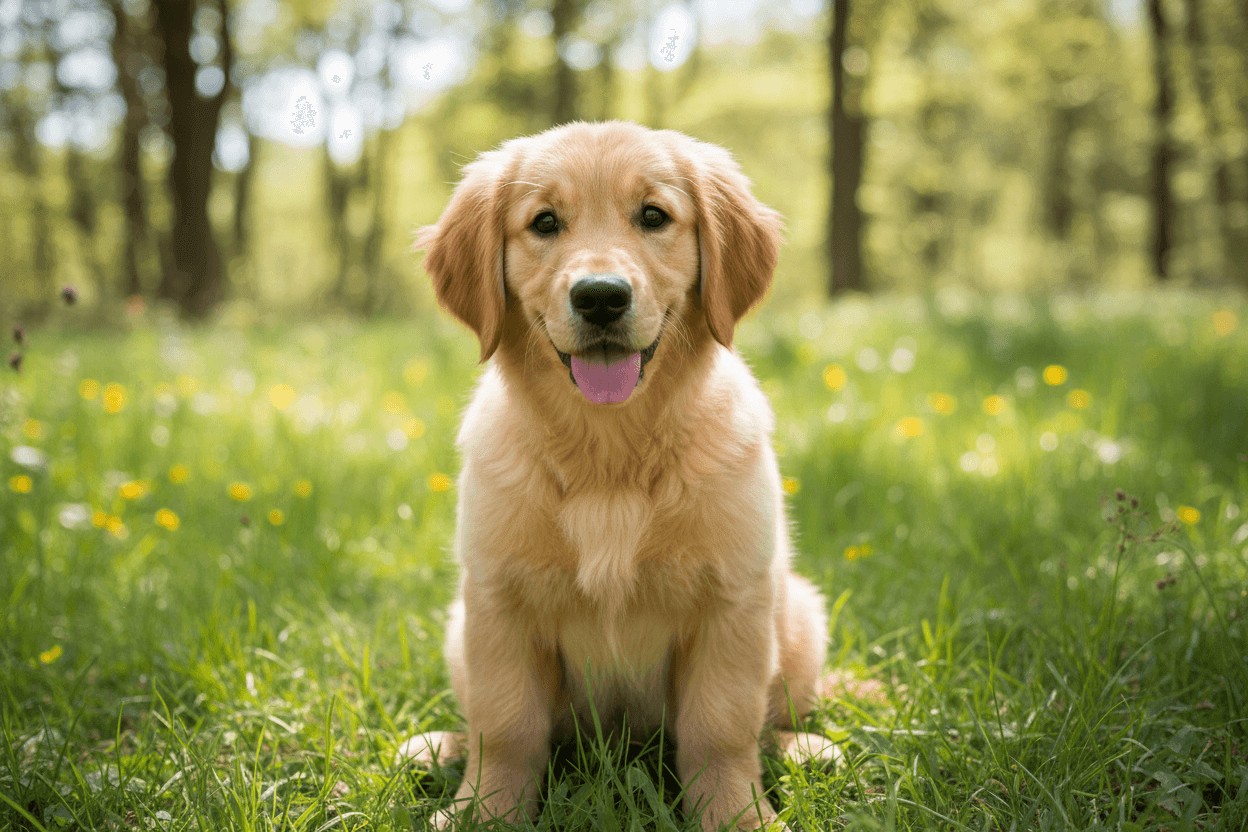
For most families, the journey begins by identifying reputable sources. This is why many prospective owners prioritize looking for a trusted puppy for sale Singapore provider that emphasizes health screening, ethical breeding practices, and transparent pedigree history. A well-raised puppy from a reliable source is less likely to face early-onset health issues, making the transition into your home much smoother. In this guide, we dive deep into the five most sought-after breeds that have captured the hearts of local families, examining why their unique traits make them the perfect fit for the Singaporean lifestyle.
1. The Golden Retriever: The Gold Standard of Family Companions
The Golden Retriever consistently ranks at the top of popularity lists globally and locally. Known for their “sunshine” personality, these dogs are celebrated for their intelligence and an innate ability to sense human emotions. In Singapore, they have become a staple for families with children due to their legendary patience. According to 2023-2024 pet registration trends, the Golden Retriever remains the preferred choice for those living in landed properties or larger condominiums where space is more abundant.
As medium-to-large adults, they do require significant mental and physical stimulation. They thrive on structured play and long walks in the cooler parts of the day, such as early mornings or late evenings at East Coast Park or the Botanic Gardens. Their high trainability means they excel in obedience, often learning new commands in fewer than five repetitions. For a family in Singapore, this means a pet that can be quickly taught to behave in public spaces or around younger children. However, potential owners should be mindful of their thick double coats, which require regular brushing and a cool, air-conditioned environment to prevent overheating in the local climate.
2. The Cavapoo: The Affectionate Urban Hybrid
A delightful cross between a Cavalier King Charles Spaniel and a Poodle, the Cavapoo has surged in popularity among Singaporean apartment dwellers. This “designer breed” combines the Poodle’s hypoallergenic qualities with the Spaniel’s famously gentle and “lap-dog” nature. Expert reviews often highlight the Cavapoo as the ideal breed for those who want the loyalty of a larger dog in a compact, manageable size.
The Cavapoo is particularly well-suited for the puppy for sale Singapore market because they adapt exceptionally well to smaller living spaces. They are social creatures that suffer from less separation anxiety than some other small breeds, provided they are given enough attention when the family is home. Their exercise needs are moderate—a brisk 20-minute walk and some indoor play are usually sufficient. From a grooming perspective, while they are low-shedding, their curly coats do require regular professional grooming every 6 to 8 weeks to prevent matting, a small trade-off for a house free of dog hair.
3. The Cockapoo: High Intelligence Meets Boundless Fun
Combining the Poodle with the Cocker Spaniel, the Cockapoo is another hybrid that has taken the local pet scene by storm. What sets the Cockapoo apart is their high energy levels and sharp intellect. They are often described as “big dogs in small bodies” because of their adventurous spirit. In a recent case study of Singaporean first-time dog owners, Cockapoos were rated 4.8/5 for their ability to integrate into active family routines.
These dogs are remarkably adaptable. Whether you are spending a Saturday at a pet-friendly cafe in Tiong Bahru or relaxing at home, the Cockapoo is happy just to be by your side. They are quick learners, making them excellent candidates for agility training or advanced tricks. For families, this means the children can be involved in the training process, fostering a deep bond between the pet and the younger family members. Like the Cavapoo, they are generally considered allergy-friendly, which is a major selling point for families with sensitive respiratory systems.
4. The Maltipoo: The Quintessential Apartment Dog
The Maltipoo (Maltese and Toy Poodle mix) is perhaps the most iconic “toy” breed found in Singapore’s HDB flats. Their tiny stature and perpetually puppy-like appearance make them irresistible. Beyond their looks, Maltipoos are known for being incredibly affectionate and relatively quiet compared to other small breeds like Chihuahuas or Terriers.
Because they are small and lightweight, they are easy to transport in pet carriers on public transport (where allowed) or in private hire vehicles. Their exercise requirements are the lowest on this list; short, gentle walks are more than enough. However, they are highly sensitive to their environment and thrive best in calm households. A 2024 survey of local vets noted that Maltipoos are frequently chosen by elderly couples or families with older children who can handle them with care. Regular brushing is a must to keep their silky fur in top condition, but many owners find this grooming time to be a therapeutic bonding experience.
5. The Bernese Mountain Dog: The Gentle Giant
For families with more space and a love for large breeds, the Bernese Mountain Dog is an emerging favorite in Singapore. Despite their origins in the Swiss Alps, they have found a dedicated following here among owners who appreciate their “zen” personality. They are the definition of a gentle giant—large, powerful, but incredibly soft-hearted and careful around small children.
Owning a Bernese in Singapore requires specific considerations, most notably temperature control. These dogs must live in an air-conditioned environment 24/7 to remain healthy and comfortable. They are slower-moving and less demanding of high-intensity exercise than a Retriever, making them great companions for families who prefer a more relaxed pace of life. Expert trainers often recommend the Bernese for families who want a “guardian” presence that is also friendly toward guests and other pets. While they do shed more than the Poodle mixes, their calm temperament often outweighs the cleaning requirements for many devoted owners.
Expert Verdict: Which Breed is Right for You?
When selecting from these top breeds, the decision ultimately rests on your family’s daily rhythm. If you lead an active, outdoor lifestyle, the Golden Retriever or Cockapoo will be your best match. For those living in smaller HDB units who prioritize ease of travel and low shedding, the Maltipoo or Cavapoo are the gold standard. If you have a large home and desire a calm, dignified companion, the Bernese Mountain Dog is an unmatched choice.
Always remember that regardless of the breed, the source matters. Searching for a puppy for sale Singapore should involve visiting the premises, meeting the puppy’s parents if possible, and ensuring the provider offers a health guarantee. Ethical breeding ensures that your new family member has the best start in life, free from the genetic complications often found in “puppy mill” dogs.
Frequently Asked Questions (FAQ)
Q1: Are all these breeds suitable for HDB flats?
No. While Maltipoos and most Cavapoos/Cockapoos (depending on size) are generally accepted, larger breeds like Golden Retrievers and Bernese Mountain Dogs are typically not on the HDB-approved list unless they are part of specific service dog programs. Always check the latest AVS and HDB guidelines before purchasing.
Q2: How much does it cost to own a puppy in Singapore annually?
Beyond the initial purchase price, owners should budget between $2,000 to $4,000 annually. This covers high-quality food, mandatory vaccinations, flea/tick prevention, grooming, and routine vet check-ups. Large breeds like the Bernese Mountain Dog may incur higher costs for food and medical care.
Q3: Do hypoallergenic dogs really not shed?
No dog is 100% hypoallergenic. However, breeds like the Maltipoo, Cavapoo, and Cockapoo shed significantly less dander and fur, making them much more tolerable for allergy sufferers. Regular grooming is still required to remove trapped hair from their coats.
Q4: How do I verify a reputable “puppy for sale Singapore” provider?
A reputable provider will provide a vaccination card, microchip details, and a health warranty. They will also be happy to answer questions about the puppy’s temperament and the health of the parents. Avoid any seller who pressures you into a quick sale or refuses to show you the puppy’s living conditions.
Q5: How can I manage a Bernese Mountain Dog in Singapore’s heat?
It is crucial to keep them in air-conditioning throughout the day. Exercise should only happen during the coolest hours (5 AM – 7 AM or after 8 PM). Always provide plenty of water and consider using cooling mats indoors.
Conclusion
Choosing a puppy is a landmark moment for any family. Whether you are drawn to the playful spirit of a Cockapoo or the stoic loyalty of a Bernese Mountain Dog, each of these five breeds offers something unique. By focusing on ethical sourcing and understanding the specific needs of each breed, you ensure a harmonious relationship that will last for years to come. A puppy isn’t just a pet; they are a new heartbeat in the home, ready to turn every ordinary day into an extraordinary adventure.


