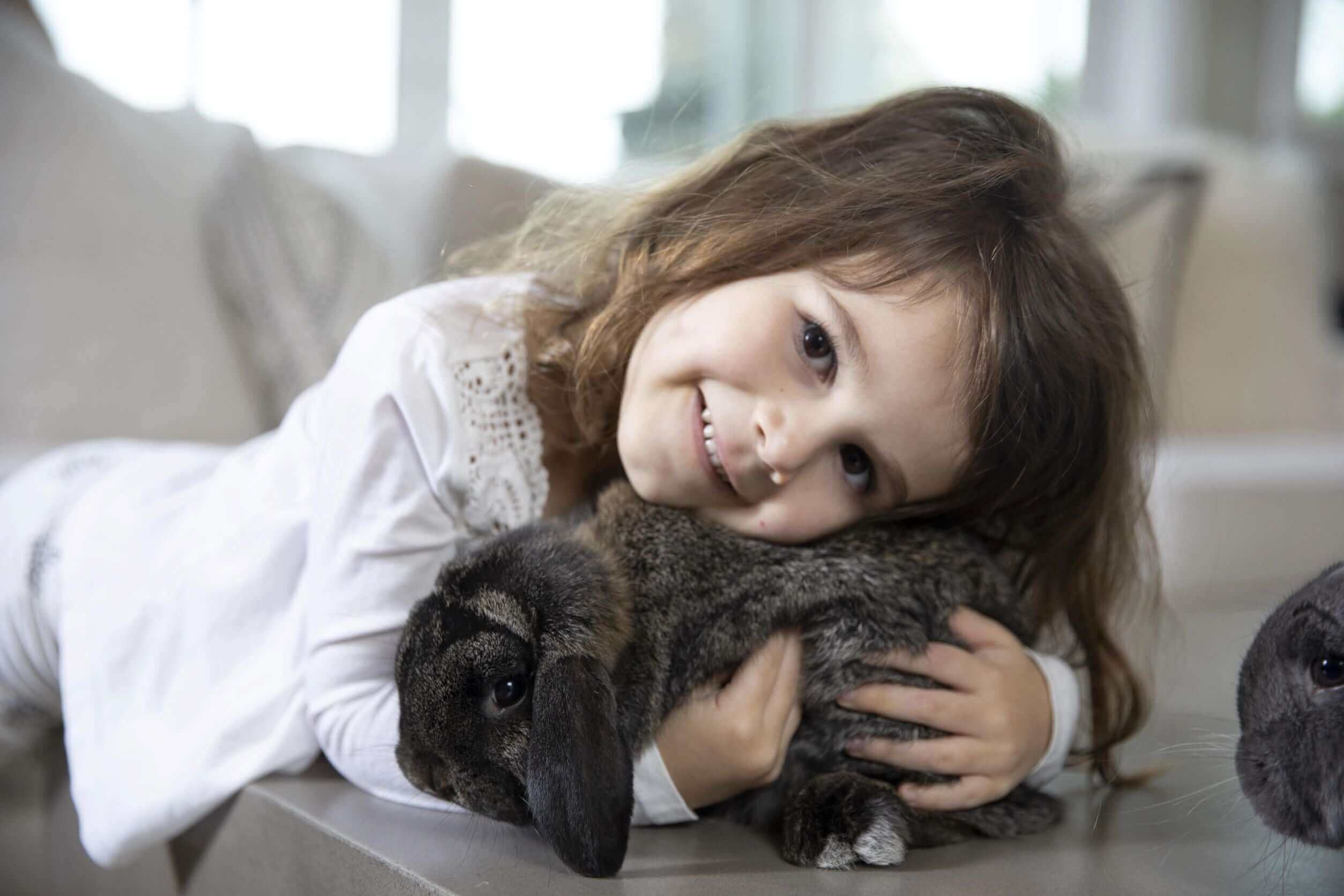
In the wake of the global pandemic, our relationship with domestic animals shifted dramatically. As life returned to a sense of normalcy in 2023 and 2024, with many workers transitioning back to the office and students returning to classrooms, local humane societies and animal rescues have witnessed a significant surge in surrendered small animals. Among the most common of these are rabbits. Choosing to adopt a rabbit—or better yet, a bonded pair—from a rescue organization is a deeply rewarding decision that saves lives. Unlike purchasing from a pet store, adoption connects you with a network of dedicated volunteers and staff who serve as a lifelong resource. These experts understand the individual personality of each bunny, helping to ensure that your new companion is the perfect match for your lifestyle and home environment. Whether you are a first-time bunny parent or a seasoned enthusiast, understanding the nuances of rabbit care is the first step toward a harmonious life with these intelligent creatures.
The Benefits of Choosing Adoption Over Retail
When you adopt from a reputable rescue, you are not just getting a pet; you are gaining a support system. Rescue volunteers spend significant time acclimating rabbits to indoor living, often starting the litter box training process before the rabbit even reaches your home. This is a crucial advantage, as many surrendered rabbits come from outdoor hutch environments where they had little interaction with humans or home life. Furthermore, rescue organizations typically have established partnerships with specialized exotic veterinarians. This means that adopted rabbits are usually already spayed or neutered and have received a comprehensive health screening. Given that spaying/neutering a rabbit can cost anywhere from $250 to $600 at a private clinic, adoption is not only ethical but also financially savvy.
Dispelling the Myth: Rabbits Are Not ‘Low Maintenance’ Pets
One of the biggest misconceptions in the pet industry is that rabbits are easy, ‘starter’ pets for children. In reality, rabbits are complex, exotic animals with specific needs that differ vastly from dogs or cats. They are highly sensitive, prey animals by nature, meaning they can be easily frightened by loud noises or rough handling. Expert oversight is essential when children are interacting with bunnies to ensure the safety of both the child and the animal. Recent data from animal behaviorists suggests that rabbits have cognitive abilities similar to dogs; they can learn tricks, recognize their owners, and even express complex emotions like grief or joy. Because of this intelligence, they require significant mental stimulation and social interaction to thrive.
Lifespan and Commitment
Prospective owners are often surprised to learn that with proper indoor care and a healthy diet, a house rabbit can live between 8 to 12 years, and sometimes even longer. The popular Holland Lop, known for its adorable floppy ears and compact four-pound frame, often lives up to 14 years. This makes a rabbit a decade-long commitment, similar to a dog. Before bringing a bunny home, it is vital to evaluate where you will be in ten years to ensure you can provide a stable forever home.
Creating the Perfect Indoor Habitat
While many pet stores market small, plastic-bottomed cages as ‘starter kits,’ these are almost always inadequate for a rabbit’s needs. A rabbit should be able to take at least three consecutive hops and stand fully on its hind legs without hitting the top of its enclosure. Many modern bunny parents are moving away from cages entirely, opting for free-roaming or large ‘X-pen’ (exercise pen) setups. Using wire storage cubes to build a custom ‘C&C cage’ is an affordable way to provide triple the space of a standard pet store cage at a fraction of the cost.
The Art of Bunny-Proofing
If you choose to let your rabbit free-roam, bunny-proofing is non-negotiable. Rabbits have a biological urge to chew to keep their continuously growing teeth worn down. This means they will naturally gravitate toward baseboards, furniture legs, and especially electrical cords. To protect your home and your pet, all wires should be encased in hard plastic tubing or moved out of reach. Additionally, ensure that common household hazards, such as poisonous plants (lilies, ivy, etc.) and important documents, are stored safely away. Providing a variety of safe chew toys, such as willow balls and apple sticks, will help redirect their chewing instincts.
Nutrition: The Foundation of Rabbit Health
The cornerstone of a healthy rabbit diet is unlimited high-quality grass hay, such as Timothy or Orchard grass. Hay provides the essential fiber needed for a healthy digestive system and helps grind down their teeth, which grow throughout their entire lives. A lack of hay can lead to ‘GI Stasis,’ a life-threatening condition where the digestive system slows down or stops. In addition to hay, rabbits should receive a daily portion of fresh, dark leafy greens (like romaine lettuce, cilantro, and parsley). Carrots and fruits should be treated as high-sugar snacks and given only in very small quantities—think of them as ‘bunny candy.’
Expert Review and Verdict
According to veterinary experts specializing in lagomorphs, the trend toward indoor-only housing has been the single greatest factor in increasing the average lifespan of domestic rabbits over the last decade. Staying indoors protects bunnies from predators, extreme temperatures, and diseases like RHDV2. The Expert Verdict: Adoption is the gold standard. By working with a rescue, you bypass the ‘impulse buy’ trap and enter into a relationship with an animal whose temperament has already been assessed. While the initial setup requires effort, the bond formed with a house rabbit is uniquely deep and rewarding.
Frequently Asked Questions (FAQ)
1. Do house rabbits smell?
Rabbits themselves are very clean animals and often groom themselves like cats. Any odor usually comes from an uncleaned litter box. Using a high-quality, paper-based bedding and cleaning the box every 1-2 days keeps odors non-existent. Additionally, spaying or neutering significantly reduces hormonal marking and strong-smelling urine.
2. Can rabbits get along with dogs and cats?
Yes, but it requires careful, supervised introductions. Many rabbits live peacefully with ‘low-prey-drive’ dogs and calm cats. However, because rabbits are prey animals, they should never be left alone with other pets without human supervision.
3. How much does it cost to keep a rabbit annually?
On average, owners should budget between $600 and $1,000 per year for hay, fresh vegetables, litter, and annual vet check-ups. Emergency vet visits can be more expensive, as rabbits require specialized exotic care.
4. Are rabbits noisy pets?
No. Rabbits are among the quietest pets you can own. They do not bark or meow. The most noise you might hear is the sound of them hopping around or the occasional ‘thump’ of their back legs if they are startled or annoyed.
5. Why should I get two rabbits instead of one?
Rabbits are incredibly social creatures. In the wild, they live in large groups. A lone rabbit can become depressed and destructive. A bonded pair provides constant companionship, grooming, and emotional support for one another, especially when you are away at work.
Conclusion
Adopting a rabbit is a journey into the world of a sophisticated, quiet, and affectionate companion. While they require a specific diet, a safe environment, and a long-term commitment, the joy of a ‘binky’ (a rabbit’s happy acrobatic jump) is unparalleled. By choosing to adopt rather than shop, you are supporting the tireless work of rescues and giving a deserving animal a second chance at a happy life. Do your research, prepare your home, and get ready to fall in love with one of the most charming animals in the pet world.


